
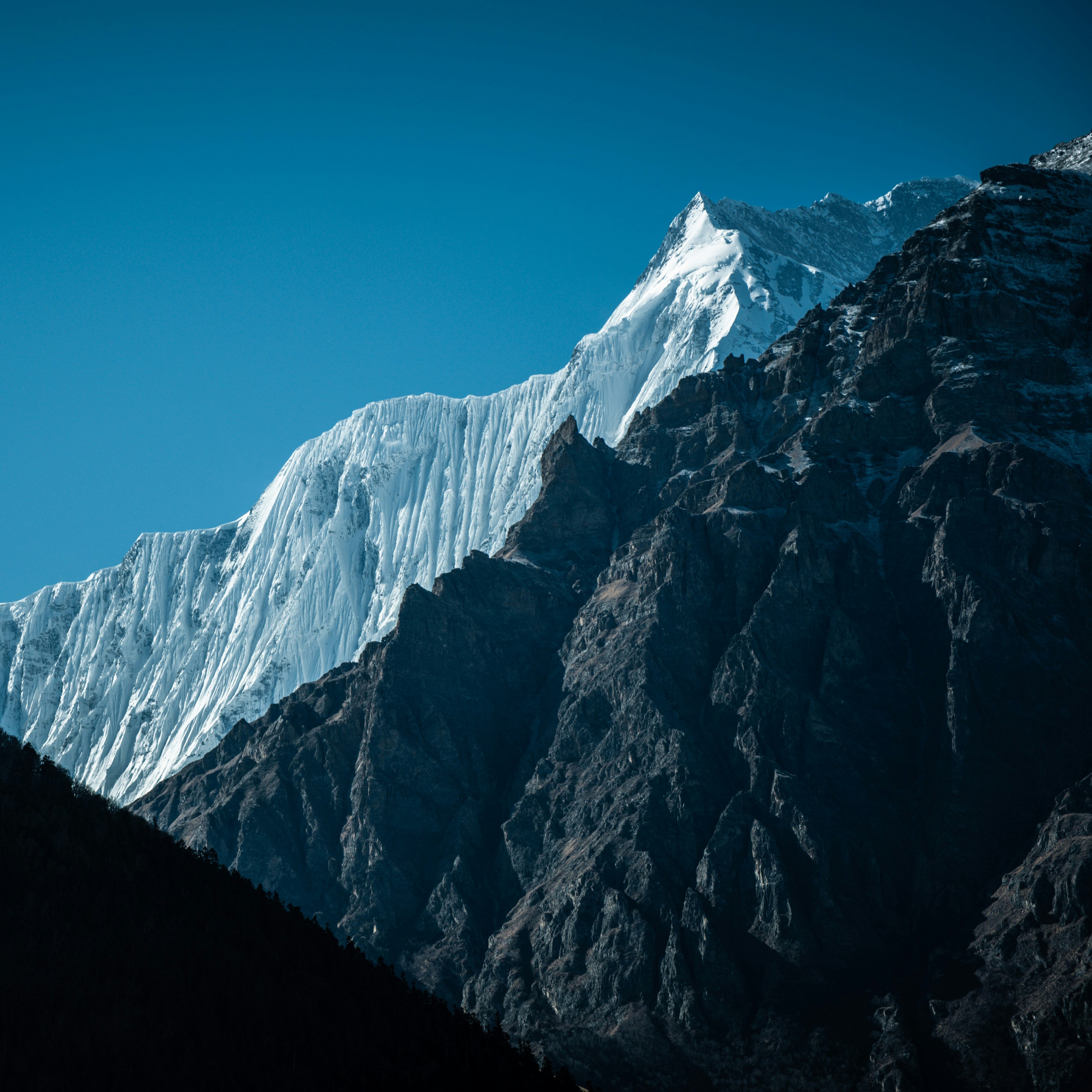
Mount Gangapurna – The Untouched Jewel of the Annapurna Himalaya
Where is Mount Gangapurna?
Mount Gangapurna lies on the ridge connecting Annapurna I, Gangapurna, and Annapurna III, straddling the border of Annapurna Rural Municipality (Kaski) and Nesyang Rural Municipality (Manang). Entirely situated within Nepal's largest protected area, the the peak reaches a staggering 7,455 meters (24,459 ft) above sea level with a prominence of 563 meters.
The mountain derives its name from Ganga, the revered Hindu goddess and personification of the sacred Ganges River.
Geographical Significance and Glacial Beauty
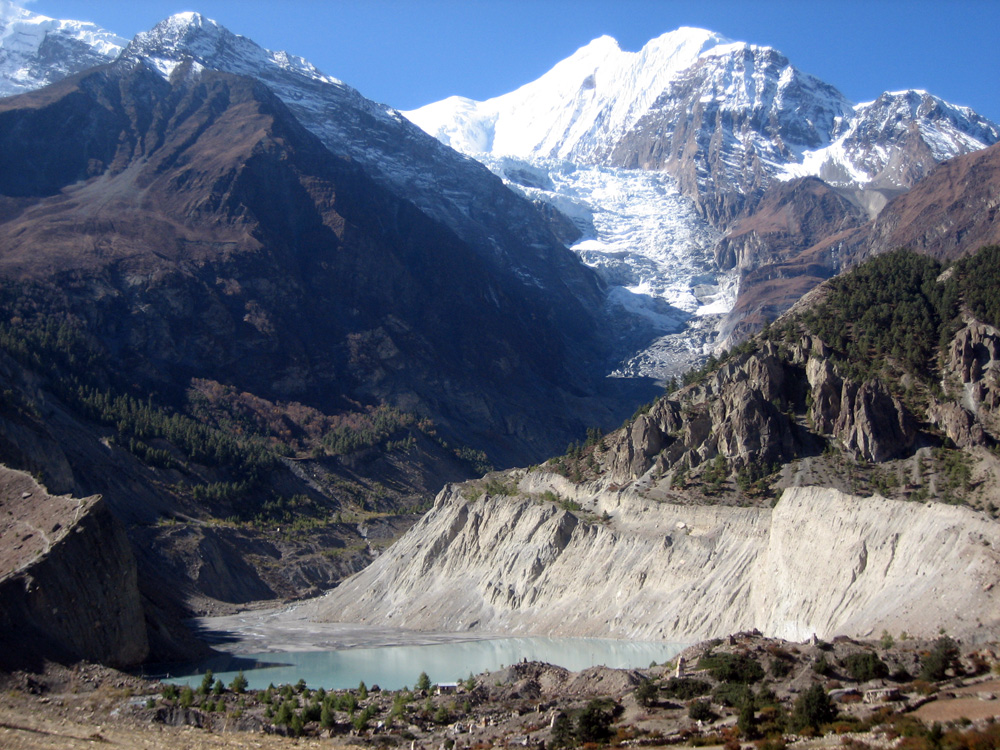
Gangapurna is a central figure in the stunning geography of north-central Nepal. The glaciers descending from Gangapurna, Annapurna IV, Khangsar Kang, and Glacier Dome feed the striking Gangapurna Lake, a turquoise glacial lake just above the Manang village.
However, like many other Himalayan glaciers, Gangapurna Glacier is rapidly retreating due to global warming, raising environmental concerns in the region.
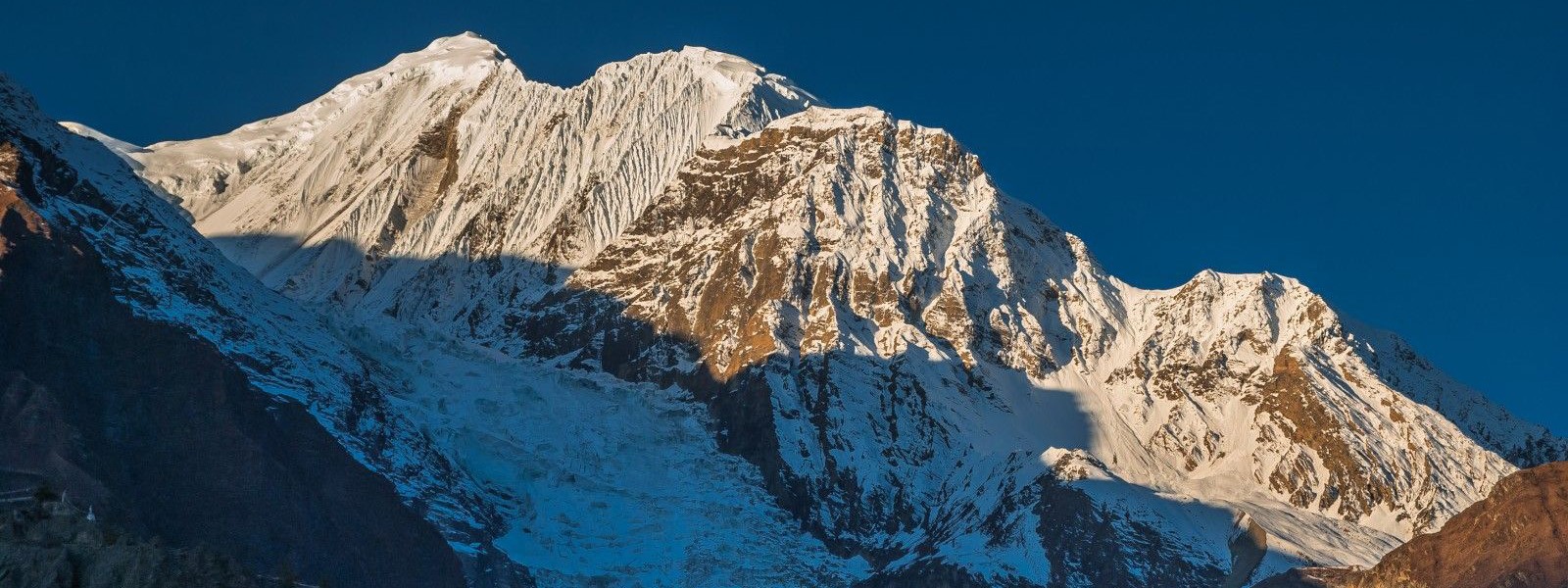
Climbing History of Mount Gangapurna
First Ascent (1965)
The first successful ascent of Gangapurna was achieved on May 6, 1965, by a German expedition team consisting of Erich Reismueller, Ang Temba Sherpa, and Phu Dorjee Sherpa via the south face and east ridge.
Gangapurna Base Camp
The Gangapurna Base Camp is situated at an altitude of approximately 4,800 meters (15,700 ft), and while it is less visited than Everest or Annapurna I, it offers solitude and raw alpine beauty that appeal to seasoned climbers and explorers.
Trekking Around Gangapurna: Annapurna Circuit
Although Gangapurna itself is a technical climb, its dramatic presence is best viewed from the Annapurna Circuit Trek. As trekkers ascend to Manang Village (3,540m), Gangapurna dominates the landscape, especially near Gangapurna Lake, a popular acclimatization hike.
Other nearby trekking highlights include:
-Tilicho Lake Trek
-Thorong La Pass (5,416m)
-Ice Lake (Khicho Tal)
Conservation and Climate
Situated entirely in the Annapurna Conservation Area, Gangapurna is part of Nepal’s first and largest protected area, established in 1985. The region is home to rich biodiversity, traditional Tibetan-influenced culture, and multiple eco-tourism initiatives.
Unfortunately, climate change has significantly affected Gangapurna Glacier, with studies indicating a rapid rate of melting. This not only alters the landscape but also impacts local water supplies and tourism patterns.
Why Gangapurna Deserves More Attention
While peaks like Annapurna I, Dhaulagiri, and Machapuchare capture most of the limelight, Gangapurna remains a hidden Himalayan treasure. It offers a perfect blend of technical climbing history, glacial lakes, remote wilderness, and cultural richness.
Whether you're a climber, trekker, or researcher, Mount Gangapurna offers an unfiltered Himalayan experience that few places can match.
