Nepal Declares First Fish Sanctuary in Lower Karnali River: A Milestone for Freshwater Biodiversity
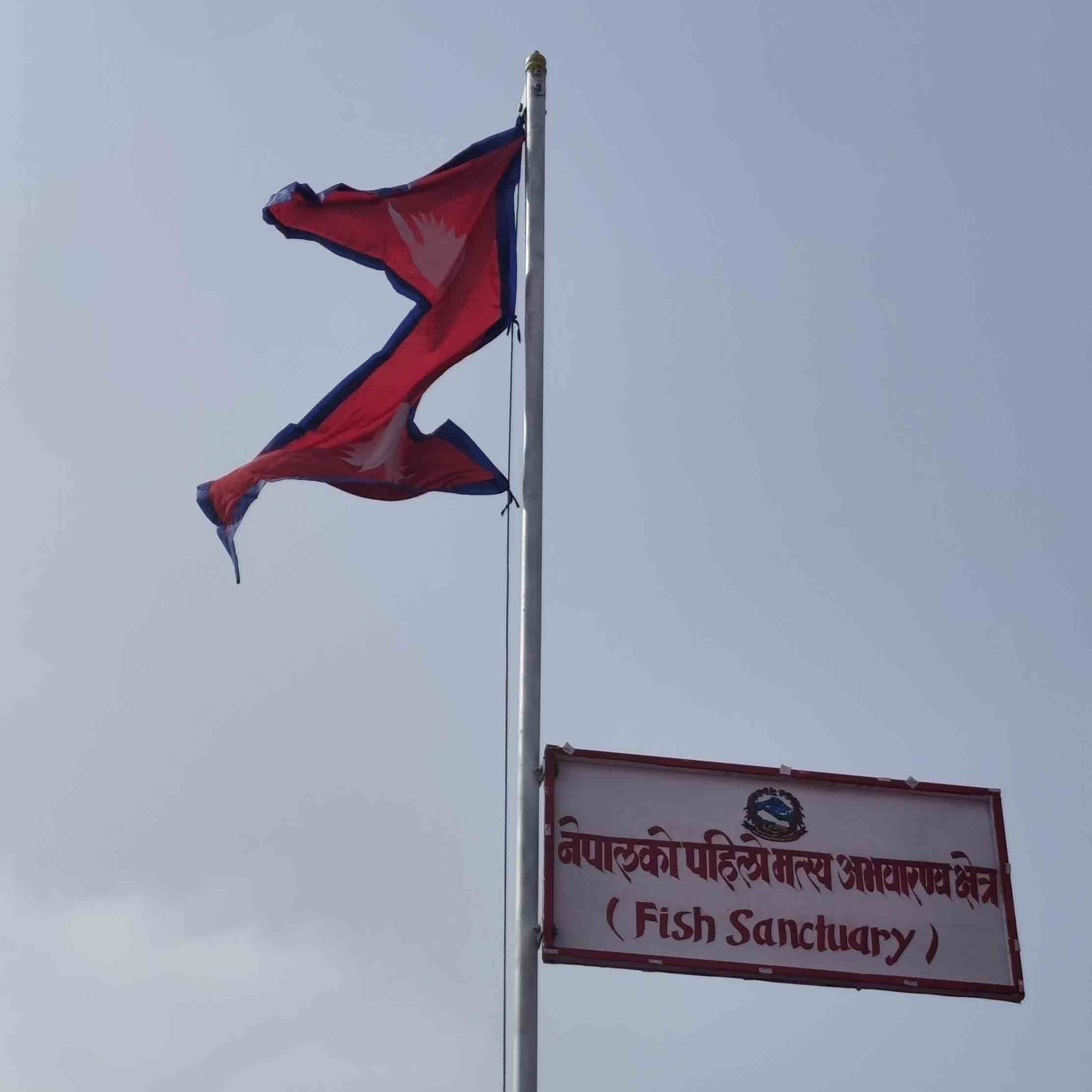
In a historic step for freshwater conservation, Nepal has officially declared its first Fish Sanctuary in the Lower Karnali River, marking a groundbreaking achievement in community-led biodiversity protection. The initiative, announced jointly by Rajapur and Tikapur Municipalities on Thursday, establishes the Sakhi Fish Sanctuary as the country’s first formally recognized, locally governed zone dedicated to sustainable fisheries and aquatic ecosystem management.
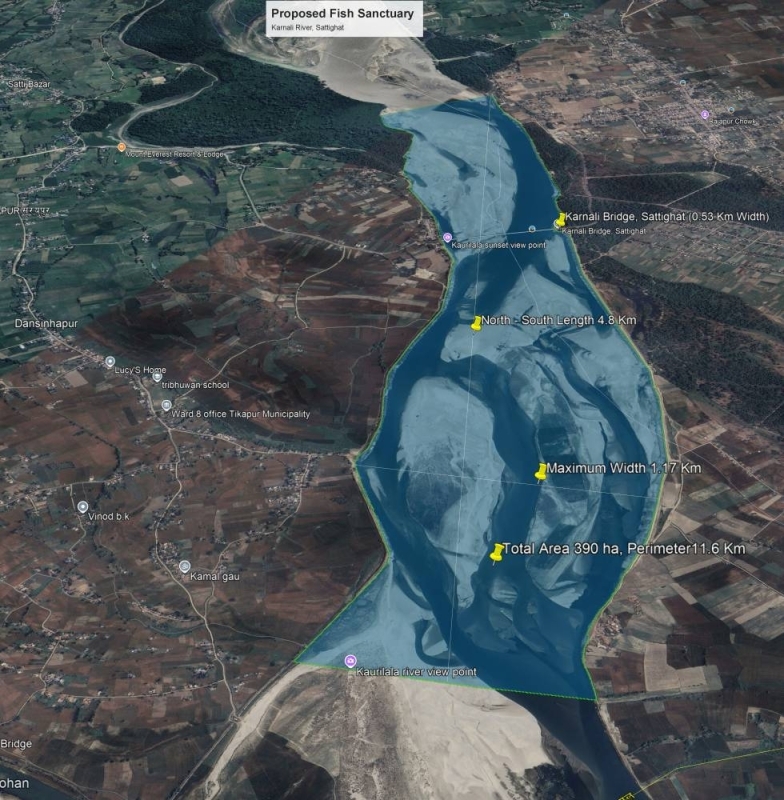
Sakhi Fish Sanctuary: Protecting 3.9 km² of Vital River Habitat
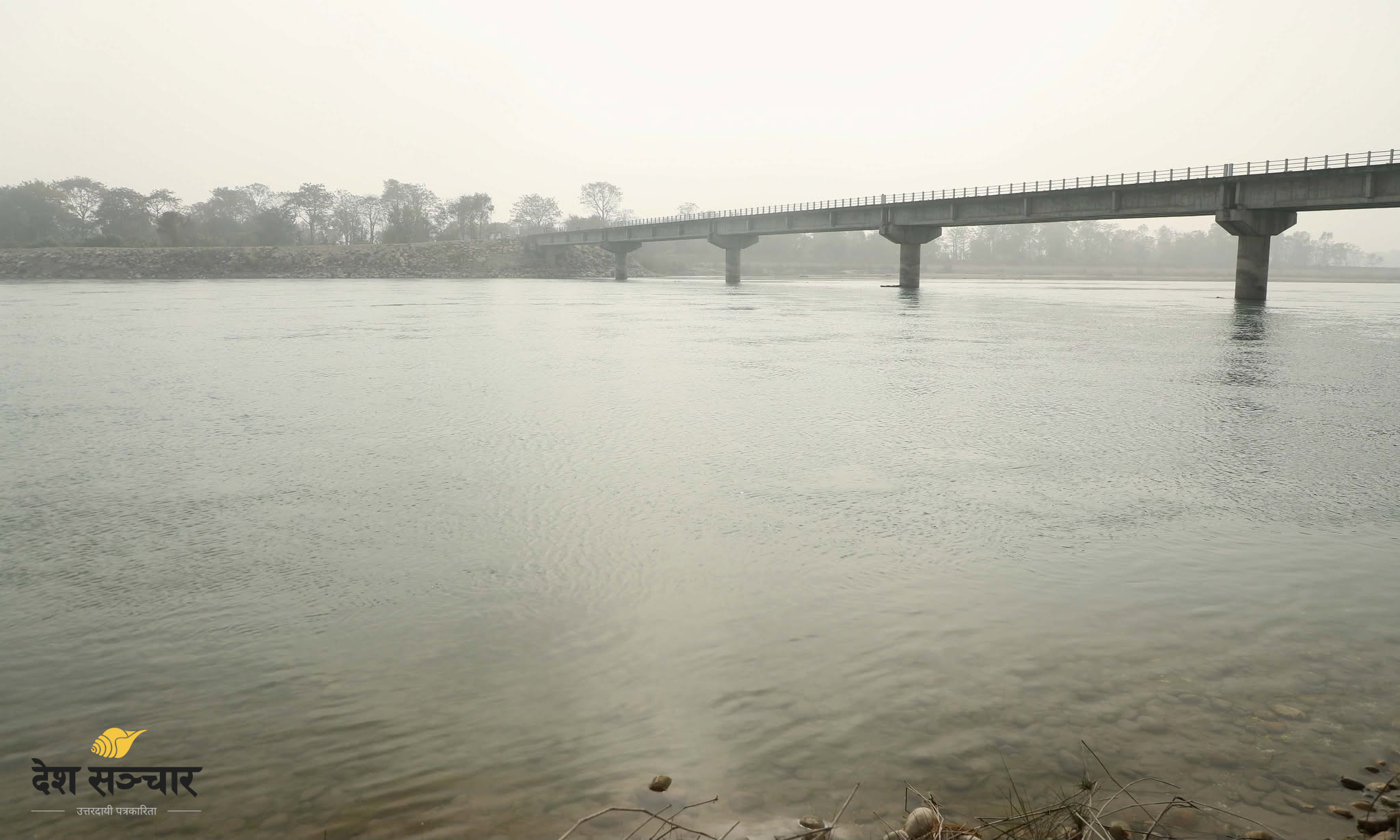
The Sakhi Fish Sanctuary spans approximately 3.9 square kilometers (390 hectares) along the Lower Karnali River, extending from Southern Tedhiya (Rajapur-3) and Chhediya (Rajapur-4) to Arnahawa Phanta (Tikapur-8). This stretch has been identified as ecologically critical, serving as a key breeding, spawning, and nursery habitat for indigenous fish species.
The sanctuary also provides refuge for nationally and globally important aquatic wildlife, including:
- Gangetic river dolphin (Platanista gangetica)
- Gharial (Gavialis gangeticus)
- Smooth-coated otter (Lutrogale perspicillata)
By safeguarding these species, the sanctuary not only supports biodiversity but also strengthens the ecological resilience of the Lower Karnali River ecosystem.
Community-Driven Conservation: A Model of Local Stewardship
“This sanctuary is a decision jointly initiated, endorsed, and fully owned by Rajapur and Tikapur Municipalities,” said Tikapur Mayor Ram Lal Dangaura Tharu. “It reflects our responsibility to lead conservation from the ground up, guided by the voices of our river-dependent communities.”
Rajapur Mayor Dipesh Tharu added, “By taking full municipal ownership, we affirm that protecting the Lower Karnali is our shared duty. This is the beginning of long-term stewardship driven by local government, communities, and coordinated action.”
The sanctuary’s declaration follows Nepal’s local aquatic animal and biodiversity conservation laws, with public notices issued at the ward level under the Free, Prior, and Informed Consent (FPIC) principles.
Sustainable Fisheries: Balancing Protection and Livelihoods
While a complete fishing ban is impractical, the sanctuary enforces seasonal restrictions during breeding periods to allow fish populations to recover. Outside restricted periods, fishing is permitted under regulated permit systems, ensuring communities continue to benefit economically while preserving aquatic biodiversity.
The sanctuary will be managed through a co-management approach, combining municipal leadership with active participation from river-dependent communities. Community River Stretch Management Groups have been established to support:
- Routine river and wildlife monitoring
- Awareness campaigns on sustainable fishing practices
- Coordination with the Division Forest Office and security agencies
Special focus is given to the Sonaha and Tharu communities, whose livelihoods and cultural traditions are closely tied to the Karnali River.
Community Success Stories: Livelihood Diversification
The sanctuary builds on years of community-based conservation efforts supported by WWF Nepal. Programs promoting seasonal fishing restrictions, sustainable fishing gear, and alternative livelihoods have already generated tangible results:
- Over 300 community members have reduced dependency on wild fishing
- Families like Sudha Chaudhary’s in Geruwa, Bardiya, earned Rs 50,000 from chili farming last year
- Women artisans, including Maiti Tharuni, shifted to handicraft production, creating sustainable income and reducing pressure on fish stocks
“Now, we are so busy with handicrafts that we don’t have time for fishing,” said Tharuni, 60, highlighting the transformative impact of livelihood programs.
Community monitoring also tracks the presence of endangered species like the smooth-coated otter, listed on the IUCN Red List, ensuring the sanctuary supports broader ecosystem conservation.
A Collaborative Effort: Government, Communities, and Civil Society
The declaration results from a collaborative effort among local governments, community groups, government line agencies, and NGOs. WWF Nepal provided technical and financial support through the “Strengthening Communities’ Livelihood and Stewardship to Conserve Otters in Karnali” project, funded by the UK Government’s Darwin Initiative.
Key implementing partners include:
- Sonaha Bikash Samaj
- Freed Kamaiya Women Development Forum
- Dolphin Conservation Center
- Small Mammals Conservation and Research Foundation
Dr Ghana Shyam Gurung, WWF Nepal Country Representative, welcomed the initiative:
“This sanctuary has the potential to become a national model for freshwater conservation. Protecting fish protects water, protecting water protects life, and protecting life secures our future.”
The initiative also offers opportunities for nature-based regenerative tourism, leveraging the river’s iconic wildlife, including gharials, otters, and dolphins.
Sakhi Fish Sanctuary: A Model for Nepal and Beyond
The joint declaration of the Lower Karnali Fish Sanctuary is more than a conservation measure; it is a blueprint for community-led freshwater ecosystem management. By combining biodiversity protection, sustainable livelihoods, and climate resilience, the sanctuary sets a new standard for freshwater conservation in Nepal, ensuring a thriving river ecosystem for generations to come.