
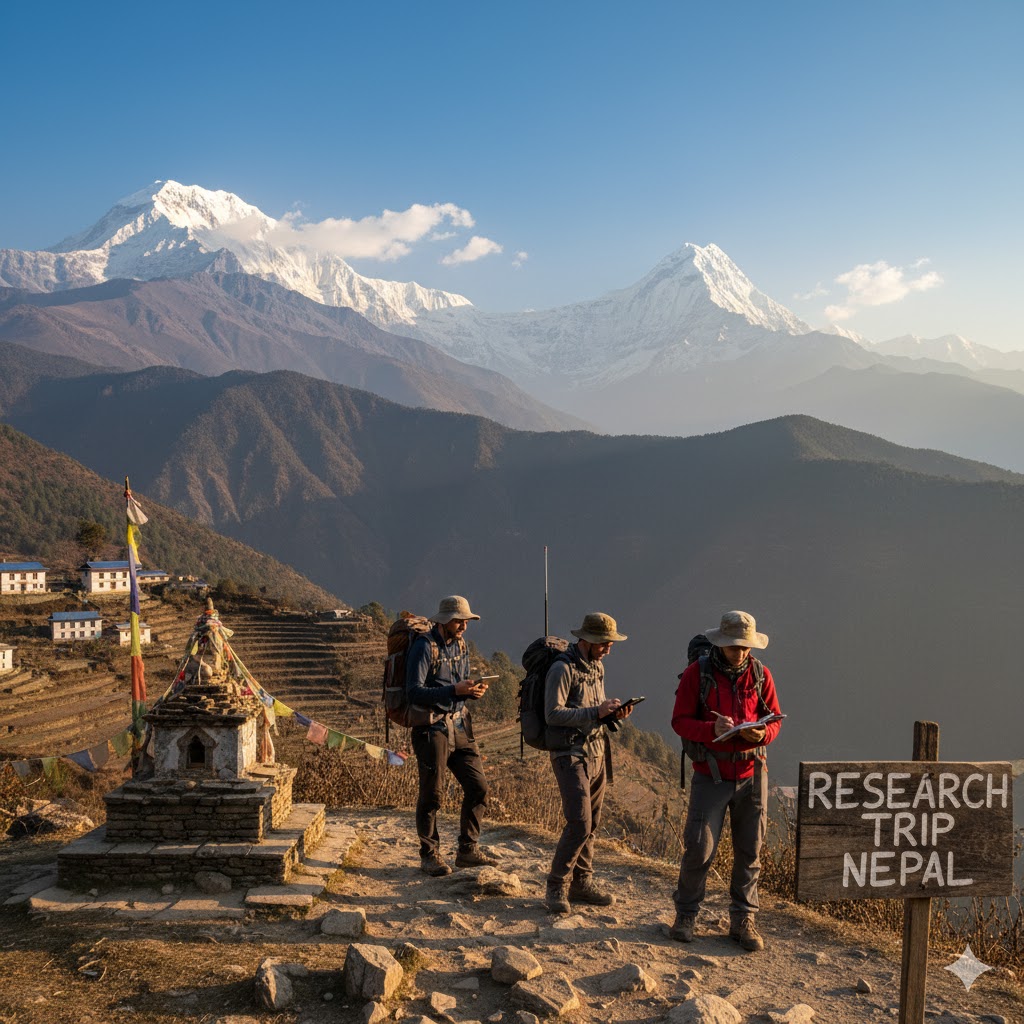
Nepal Research Tour: Explore History, Culture & Himalayan Traditions
Nepal is not just the land of the mighty Himalayas, it is a living museum of history, culture, and spiritual traditions. For researchers, scholars, and inquisitive travelers, Nepal offers a unique opportunity to explore the roots of human civilization, diverse ethnic groups, ancient religious practices, and rare social systems. From polyandry marriage customs in remote valleys to the enduring legacy of Guru Rinpoche, Nepal is a rich destination for immersive and transformative research experiences.
Since the first organized research tours began in 2004, Nepal has emerged as one of the most sought-after destinations for scholars, cultural anthropologists, and history enthusiasts. Every year, thousands of researchers and travelers from around the world embark on journeys through Nepal to study its unique traditions, lifestyles, and ecosystems.
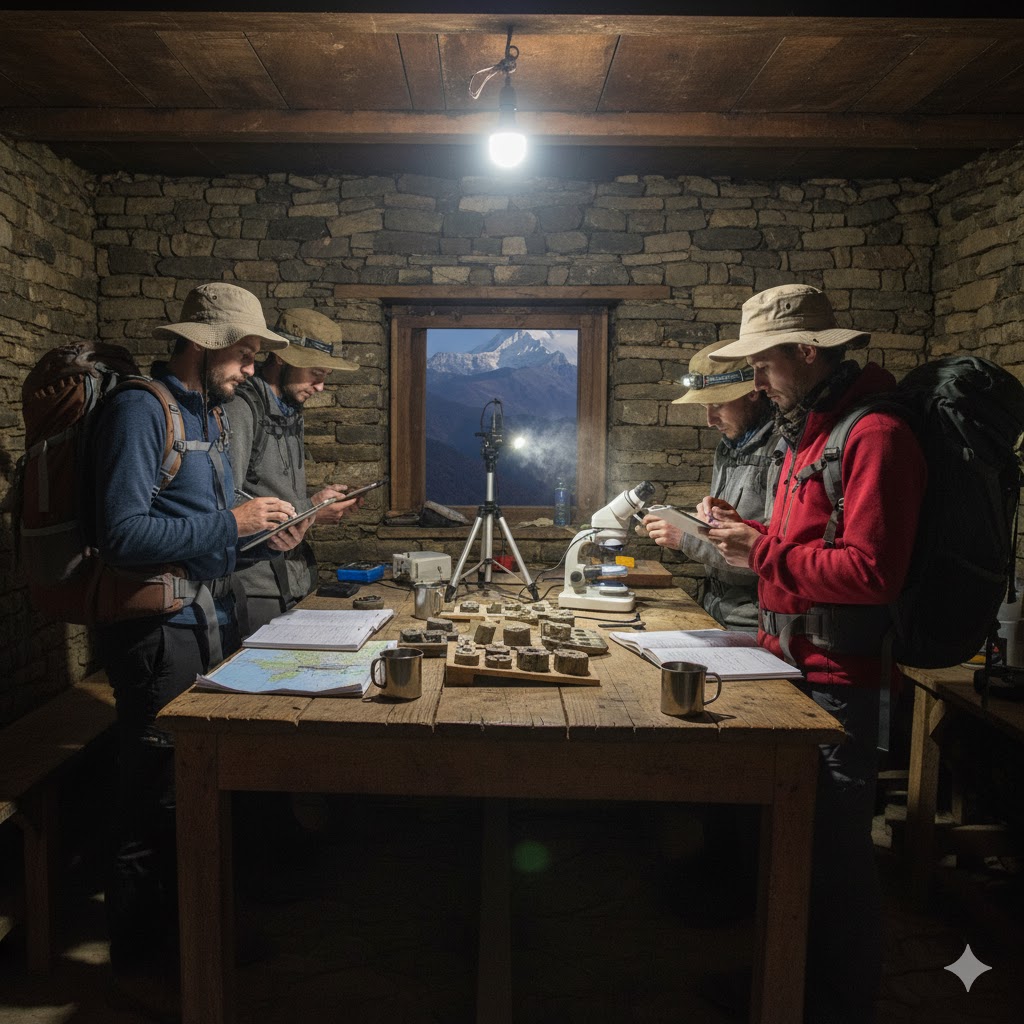
PC-REPRESENTATIVE AI IMAGE
Why Nepal is a Premier Destination for Research
Nepal offers a rare combination of ethnic diversity, spiritual richness, and natural grandeur, making it an ideal destination for academic exploration.
1. Rich Ethnic and Cultural Diversity
Nepal is home to over 125 ethnic groups and more than 120 languages. This diversity provides researchers with an unparalleled opportunity to study the cultural mosaic of the Himalayas. Major communities such as Sherpa, Gurung, Magar, Thakali, Tamang, and Rai, each have distinct languages, customs, and traditions. Observing their festivals, rituals, and everyday life allows scholars to gain insights into social organization, oral traditions, and cultural resilience in high-altitude communities.
2. Religious and Spiritual Heritage
Nepal is a spiritual hub with thousands of temples, monasteries, stupas, and sacred caves. For scholars of Buddhism, Hinduism, and Bon traditions, the country is a treasure trove.
- The Buddhist heritage of Guru Rinpoche (Padmasambhava) attracts researchers interested in the spread of Vajrayana Buddhism.
- Bon traditions in regions like Upper Mustang allow in-depth study of pre-Buddhist spiritual practices, sacred rituals, and esoteric ceremonies.
- Ancient Hindu temples, such as Pashupatinath in Kathmandu, provide insights into centuries-old rituals, architecture, and religious life.
3. Polyandry Marriage Systems
Nepal is one of the few countries in the world where polyandry is practiced, particularly in remote Himalayan valleys like Upper Mustang and Tsum Valley in Manaslu. Researchers studying social anthropology, gender roles, and family structures find these regions invaluable. Here, polyandry is not just a tradition it is an adaptive social system designed to sustain land and resources across generations.
4. Agriculture and Himalayan Ecology
Nepal’s mountainous terrain and diverse climatic zones make it a unique research site for agriculture and ecology studies. Traditional farming systems, terrace cultivation, and crop diversification in high-altitude regions offer insights into sustainable agricultural practices developed over centuries. Scholars can study indigenous crop varieties, irrigation systems, and community-based resource management that have allowed Himalayan communities to thrive in challenging environments.
5. Historical and Geological Significance
Nepal’s landscapes are not just scenic—they are geologically and historically significant. Researchers can study:
- Ancient trade routes linking Tibet, India, and Nepal.
- Archaeological sites, such as Lumbini (birthplace of Buddha) and medieval towns like Bhaktapur and Patan.
- Himalayan geology, including glacial formations, river systems, and seismic activity. These features provide a unique laboratory for environmental and geological studies.
Experiences That Make Nepal a Researcher’s Paradise
A research tour in Nepal is not limited to academic study—it is an immersive experience that connects travelers to the heart of Himalayan life.
- Cultural Immersion: Walking through remote villages, researchers interact with locals, observe daily routines, and participate in traditional ceremonies. Festivals such as Losar (Tibetan New Year) or Mani Rimdu in Solu-Khumbu reveal the living traditions of Himalayan communities.
- Religious Exploration: Visiting sacred sites, ancient monasteries, and meditation caves allows researchers to document spiritual practices and study the philosophical underpinnings of Nepalese religions.
- Ethnographic Studies: Scholars can explore indigenous art, folklore, music, and oral histories, providing a comprehensive understanding of Nepalese identity.
- Polyandry Observations: In Upper Mustang or Tsum Valley, researchers witness how polyandry shapes family structure, inheritance systems, and social cohesion.
- Ecological and Agricultural Fieldwork: Himalayan farming systems, high-altitude crops, and livestock practices offer practical insights into sustainable living in extreme environments.
The Significance of Nepal Research Tours
Nepal’s research tours are more than just travel—they are an exploration of humanity, culture, and nature. These tours provide insights into:
- How diverse communities maintain traditions and identities in a rapidly modernizing world.
- The intricate relationship between religion, culture, and daily life in high-altitude societies.
- Rare social systems, such as polyandry, that are virtually extinct elsewhere.
- Sustainable agricultural and ecological practices developed over centuries.
For researchers, scholars, and culturally curious travelers, Nepal represents a living classroom. Its mountains, valleys, villages, and sacred sites offer a rare blend of knowledge, discovery, and inspiration.
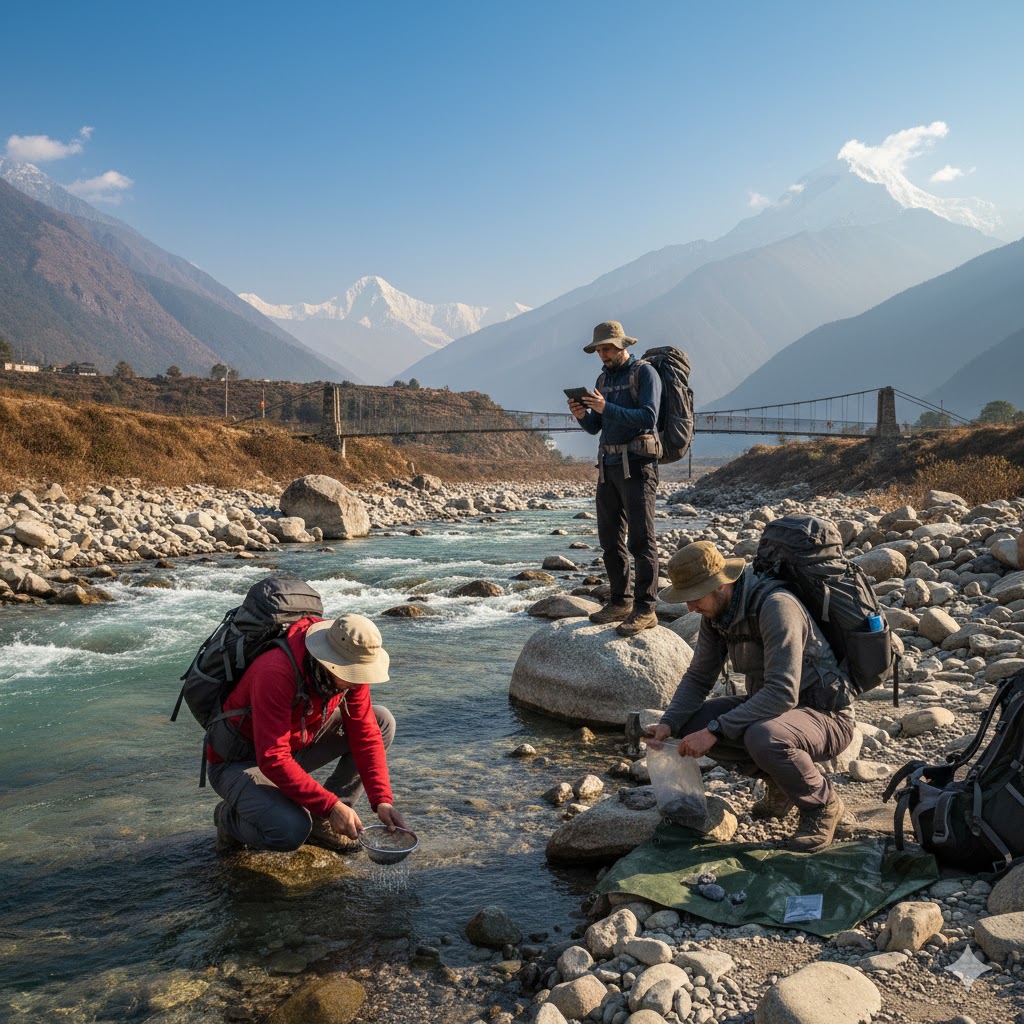
PC-REPRESENTATIVE AI IMAGE
Conclusion
Nepal is a truly unique destination for research, offering unparalleled access to history, culture, religion, and natural beauty. From studying the practices of polyandry in remote Himalayan valleys to tracing the spiritual legacy of Guru Rinpoche, Nepal provides researchers with experiences found nowhere else in the world.
For academics, anthropologists, historians, and cultural enthusiasts, a research tour in Nepal is more than a journey; it is a once-in-a-lifetime opportunity to connect deeply with the heartbeat of the Himalayas and its people.
Nepal is not just a destination; it is a living laboratory, a cultural mosaic, and a spiritual sanctuary, making it the ultimate research tour destination for travelers from across the globe.
