
Nepo Kids and Inequality: The Face of Public Resentment in Nepal
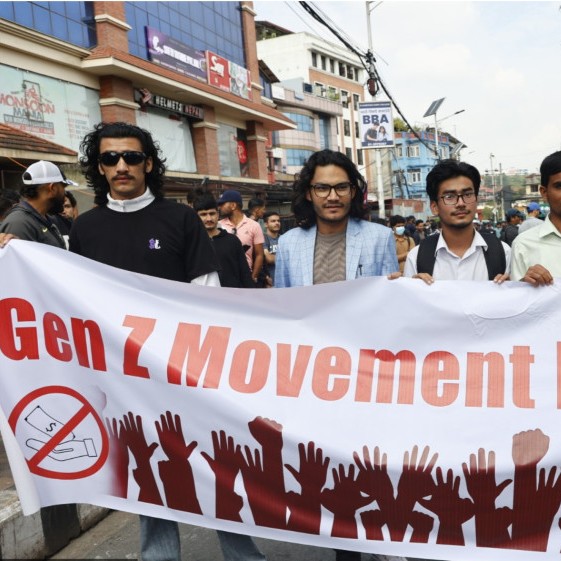
In September 2025, Nepal experienced a historic wave of youth-led protests, commonly referred to as the “Gen Z Revolution.” While the immediate trigger was the government’s decision to ban 26 major social media platforms including Facebook, X, WhatsApp, Instagram, and YouTube the movement was fueled by deep-seated frustration over inequality, corruption, and nepotism in the country.
A central theme of the protests was the public’s resentment toward “nepo kids”, the children of political elites flaunting wealth and luxury, which many Nepalis saw as a glaring symbol of misused public resources and entrenched privilege. Viral social media posts and videos contrasted the lives of ordinary citizens with the extravagant lifestyles of elite families, intensifying the nation’s anger.
The Spark and Escalation of the Protests
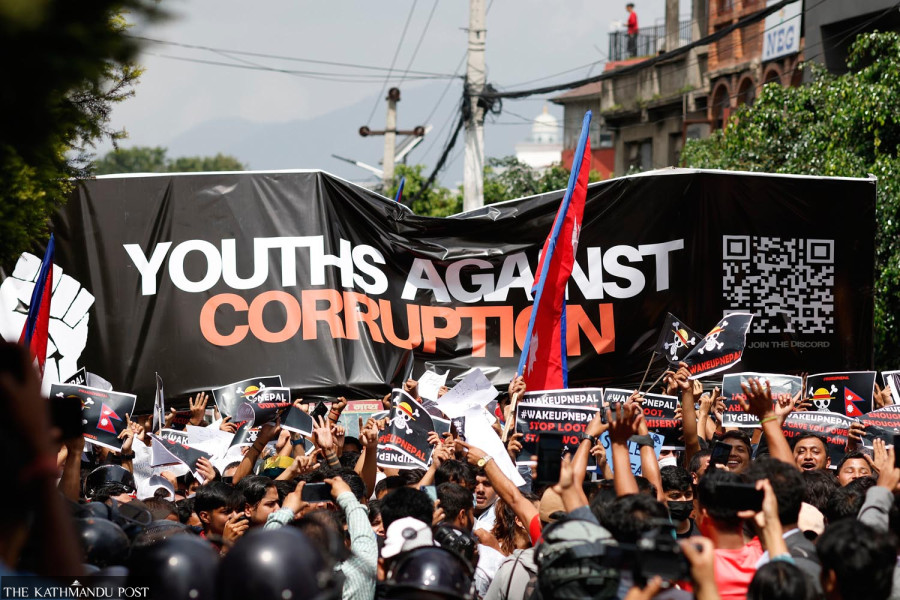
The protests began in Kathmandu’s Maitighar neighborhood on a Monday morning, organized by the nonprofit Hami Nepal (“We Are Nepal”). Thousands of students, many in school or college uniforms, marched peacefully at first. However, the movement quickly escalated as demonstrators breached police barricades and entered the Parliament premises in New Baneshwor.Security forces responded with tear gas, water cannons, and live ammunition, resulting in at least 19 deaths and over 100 injuries, including police personnel. Amid the chaos, protesters torched Parliament gates and several government buildings, signaling the intensity of public anger.
Even after Prime Minister KP Sharma Oli resigned, the protests continued, reflecting broader demands for systemic political and social change. Curfews were imposed across Kathmandu, Lalitpur, and Bhaktapur, and flights at Kathmandu International Airport were canceled temporarily.
Who Are the “Nepo Kids”?
The term “nepo kids”, a play on nepotism, refers to the children of Nepal’s political elite. Social media showcased these individuals enjoying luxury cars, designer clothes, and high-end travel, contrasting sharply with the daily struggles of ordinary citizens .This visible inequality struck a raw nerve, particularly among Nepal’s digitally savvy youth, who faced limited economic opportunities, unemployment, and frustration with slow economic development.
- Yog Raj Lamichhane, assistant professor at Pokhara University, notes that the anger stems from seeing political leaders, who once lived modestly, now flaunt extravagant lifestyles.
- Dipesh Karki, assistant professor at Kathmandu University, highlights Nepal’s elite capture: political families controlling the nation’s wealth and resources while ordinary citizens remain marginalized.
Protesters demanded the creation of a special investigation commission to examine the sources of politicians’ wealth, seeking transparency and accountability.
The Underlying Causes
While the social media ban acted as a catalyst, the movement reflected broader socio-economic grievances:
Economic Woes:
- 82% of Nepal’s workforce is employed informally, far above global averages.
- Remittances contribute a third of the country’s GDP, yet quality domestic jobs remain scarce.
- Each year, 500,000 young people join the workforce, increasing the urgency for employment and sustainable development.
Corruption:
- Nepal ranks 107 out of 180 countries in Transparency International’s corruption index.
- Videos showing the children of politicians flaunting luxury goods went viral, reinforcing perceptions of inequality.
Political Instability:
- Since becoming a federal republic in 2008, Nepal has experienced a revolving door of aging prime ministers and a culture of political horse-trading.
- Many young Nepalis feel disconnected from decision-making and voiceless in shaping their nation’s future.
Fear of Rights Erosion:
- The National Human Rights Commission warned that the social media ban undermined democratic governance.
- Experts called it a “slippery slope,” striking a raw nerve among a generation reliant on digital platforms for expression and connectivity.

PC—Time
Social Media as a Mobilization Tool
Despite the ban and intermittent internet blackouts, protesters leveraged alternative digital platforms like TikTok and Reddit to organize demonstrations, coordinate marches, and amplify their voices. The movement highlighted the role of digital activism in modern political mobilization, especially among a young, connected generation.
The Gen Z Revolution: Beyond Social Media
Analysts note that the protests were not just about social media access. They were a collective outcry against misgovernance, economic inequality, and the disconnect between Nepal’s youth and an aging ruling elite.The revolt also sparked wider public scrutiny of corruption, nepotism, and elite privilege, with demands for sweeping political and systemic reforms continuing even after Prime Minister Oli’s resignation.
Final Thoughts
Nepal’s Gen Z-led protests of 2025 are a powerful reminder of the consequences of inequality and misgovernance, particularly in a nation with a large youth population. The outrage over “nepo kids” reflects a society demanding transparency, accountability, and equal opportunity, marking a critical moment in Nepal’s democratic evolution.
The movement shows that when digital-savvy youth are denied a voice, online dissent can quickly translate into powerful street action, reshaping a nation’s political and social landscape.
