
Old Newari Feasting Traditions That Are Disappearing
Introduction
Newar culture is one of the oldest and richest cultural heritages of Nepal, and nowhere is this more visible than in its grand feasting traditions. From multi-course ceremonial meals to ancestral rituals performed through food, Newari feasts known as “Bhoj” or “Bhoye” carry centuries of history, symbolism, and community bonding.
But with modern lifestyles, fast-paced city routines, and changing social structures, many of these old traditions are quietly disappearing. This blog revisits the forgotten practices, rare rituals, and vanishing culinary customs that once defined Newari hospitality.
1. The Elaborate “Sagan” Ritual Offered Before Every Meal
In traditional households, every auspicious moment begins with Sagan, a blessing ritual involving yogurt, egg, fish, meat, ginger, and rice wine. It symbolized purity, luck, and the five elements of life.
Today, Sagan is often simplified or skipped entirely during feasts, appearing only during major life events like birthdays or “Bara/Bahra” ceremonies.
2. The Art of Serving “Lapate Biyegu” (Leaf-Plating)
Earlier, Newari feasts were served on lapteh plates made of stitched green leaves. This eco-friendly plating added aroma and authenticity to the dishes.
But with plastic and steel plates replacing them, the traditional leaf-plating craft and its associated communal activities have almost vanished.
3. Long, Multi-Course Feasts That Lasted Hours
Classic Newari feasts followed a strict sequence from starters like Bara, Chhwela, and Aalu Tama to main courses, pickles, and desserts. The serving order itself was a ritual.
Now, due to time constraints and the shift towards buffet-style eating, these multi-hour, multi-course feasts are fading into memory.
4. The Disappearing Role of “Lagun Guthi” in Feasts
Lagun Guthis (traditional Newar social trusts) once played a major role in managing, preparing, and serving feasts.
They ensured that every ceremony from weddings to Jankoo celebrations followed cultural protocol.
Urbanization and the decline of communal guthi membership have caused many such organized feasting traditions to fade.
5. Wood-Fired “Siucha” Kitchens and Stone Grinding
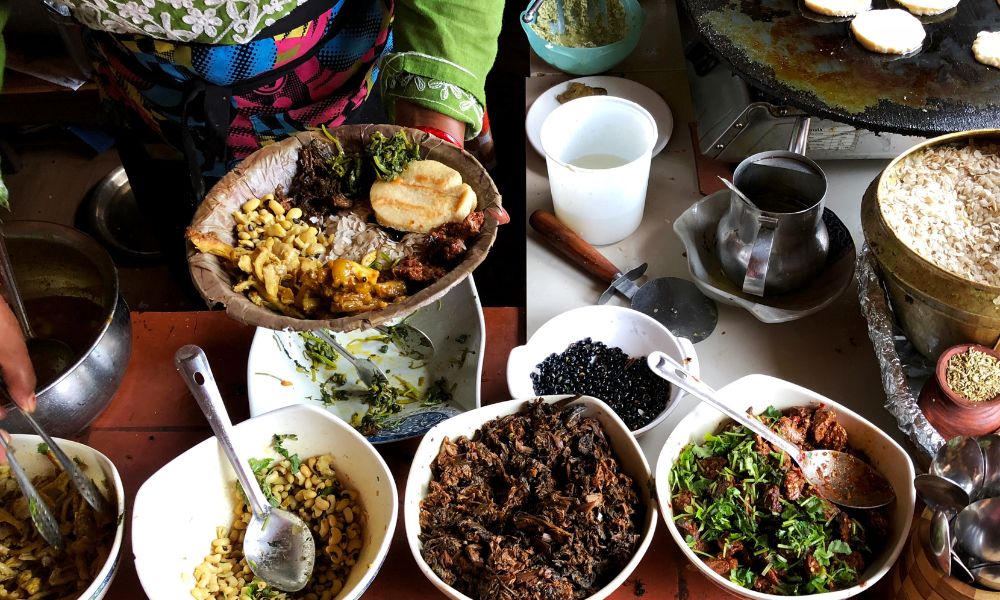
Traditional feasts were prepared in open Siucha kitchens using wood-fired stoves and stone grinders. The aroma from this slow, natural cooking elevated dishes like Yomari, Choila, and Kachila.
Today, these methods are replaced with gas stoves, pressure cookers, and industrial kitchen setups, resulting in a loss of the authentic flavor and experience.
6. Hand-Served Wine: “Aila” Ceremony
In classic feasts, Aila (homemade spirit) was served ceremonially by women who poured it elegantly from traditional long-necked vessels.
This personalized act of hospitality symbolized respect, festivity, and artistry.
With commercial liquor replacing homemade Aila, the elegant pouring ritual is becoming rare.
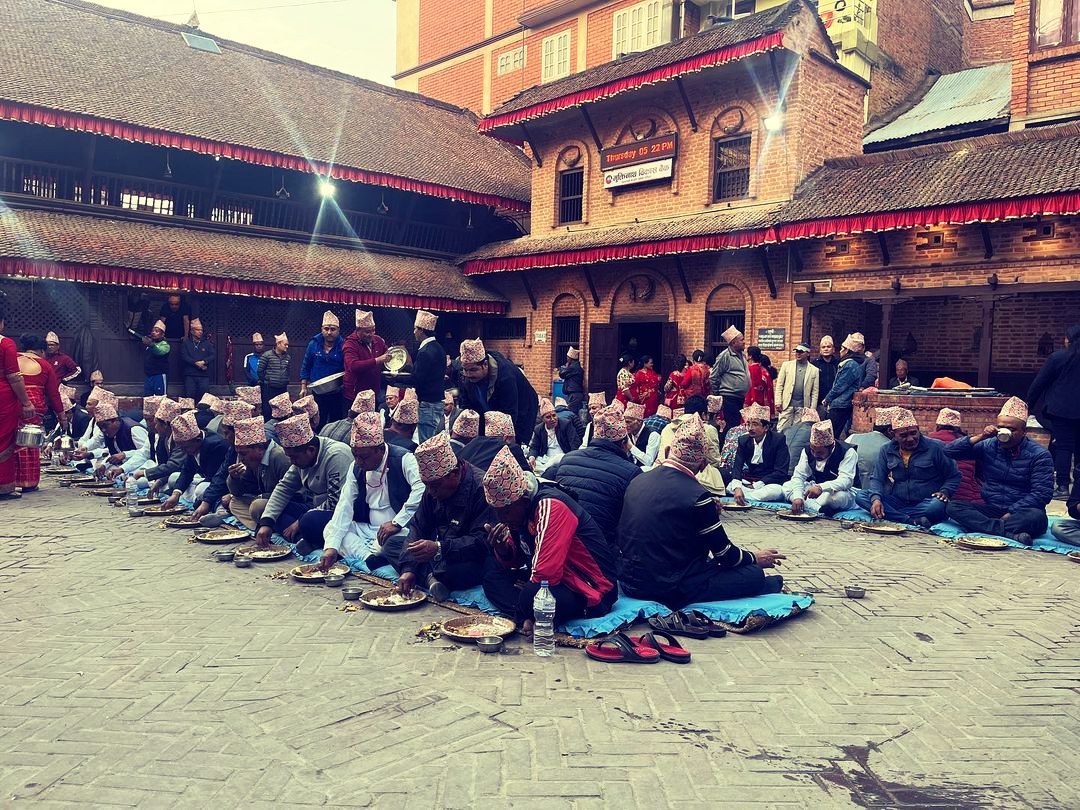
7. The Tradition of Eating on the Floor (Paala)
Newari feasts were always eaten while sitting on straw mats (sukuls) in an orderly row called Paala.
This aligned bodies with the earth, promoted humility, and allowed synchronized serving of courses.
Today, chairs, tables, and modern banquet halls have replaced this grounded, communal style of dining.
8. Seasonal, Locally-Fermented Foods Are Vanishing
Unique fermented foods such as Gundruk, Sanya Khuna, Tusa, and Kwan were once staples of feasts.
Now, many are disappearing because of:
- lack of time for preparation
- decline of home-based food preservation
- modern diets preferring fast and packaged foods
These dishes’ cultural knowledge and techniques are now held only by a shrinking older generation.
9. Ritualized Meat Preparation for Feasts
During major feasts, communities used to follow strict rituals while preparing buffalo or goat meat. Every part had symbolic importance, and nothing went to waste.
This deep respect for ingredients is fading with modern butchery styles and packaged meats.
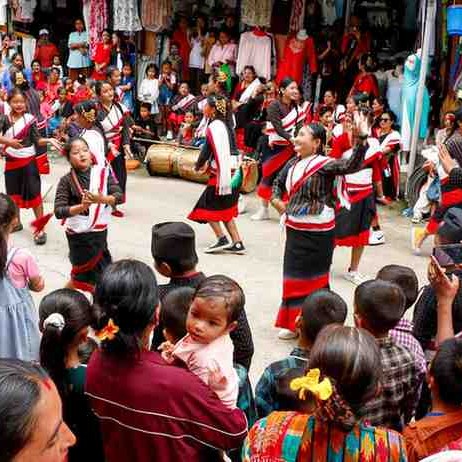
10. Songs, Drums, and Feasting Processions
Traditional feasting was not just about eating; it included music, cultural performances, jokes, blessings, and communal labor songs like Dapha or Bhailo.
Today, feasts have become quieter and more formal, losing their festive social character.
Why These Traditions Are Disappearing
- Urban lifestyle and lack of time
- Smaller family sizes and migration
- Rising costs of traditional ingredients
- Decline of guthi community systems
- Influence of modern weddings and banquet culture
Why It Matters
Newari feasts are living museums of food history, combining spirituality, craftsmanship, and community unity.
If these traditions disappear, Nepal loses:
- ancestral cooking skills
- communal bonding rituals
- intergenerational cultural knowledge
- one of the most refined cuisines of the Himalayas
Preserving even a portion of these customs keeps Newar identity alive for future generations.
Conclusion
Old Newari feasting traditions are more than rituals they are a reflection of a civilization that celebrated community, gratitude, and craftsmanship through food.
As modernization accelerates, many customs are slipping away, but by documenting them, practicing them at home, and encouraging cultural feasts, we can keep this culinary heritage alive.
