
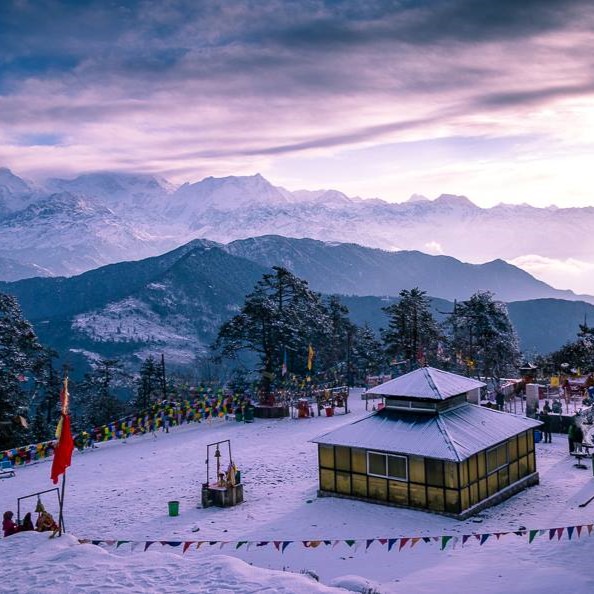
Pathibhara Devi Temple (Mukumlung) – A Sacred Himalayan Pilgrimage in Taplejung
Spiritual Significance of Pathibhara Devi
Pathibhara Devi is worshipped as a fierce yet compassionate goddess, believed to be easily pleased with sincere devotion, compassion, and sacrificial offerings. Pilgrims come here with the hope of fulfilling their wishes be it for children, wealth, or personal peace. During special occasions, the temple sees large gatherings, and rituals include animal sacrifices, gold, silver, and symbolic offerings.
The site is also one of the Shakti Peeths locations where body parts of Goddess Sati are said to have fallen, according to Hindu mythology. This adds immense spiritual weight to the shrine, similar in significance to places like Guhyeshwari in Kathmandu and Kamakhya in Assam, India.
Location and Trek Information
- Location: 19.5 km northeast of Phungling Bazaar, Taplejung
- Elevation: 3,794 m (12,448 ft)
- Trek Duration: 1 day from Suketar or Phungling
- Average Temperature: Around -2°C to 1°C in peak season
- Trek Type: Moderate difficulty; part of a side-route to the Kanchenjunga Base Camp Trek
Besides spiritual significance, the temple is also a popular detour for Kanchenjunga trekkers, offering unmatched Himalayan views and peaceful surroundings.
The Legend of Pathibhara: From Lost Sheep to Miracles
The legend behind the origin of the Pathibhara Temple is deeply rooted in local folklore. It is believed that:
A group of shepherds once lost their sheep in the area. In a dream, the goddess appeared and instructed them to perform a ritualistic sacrifice in her honor. When they obeyed, the lost sheep miraculously returned.
From this mystical incident began the tradition of animal sacrifice at the shrine. Today, hundreds of goats and sheep are offered to the goddess by devotees. However, it is said that no trace of blood remains at the site, symbolizing the goddess's divine acceptance of the offerings.
Pathibhara as Mukumlung: A Limbu Perspective
For the indigenous Limbu (Yakthung) community, the sacred hill of Pathibhara is known as Mukumlung, a term derived from the words:
- “Fist” meaning force or strength
- “Malung” meaning root or plant
Together, Mukumlung represents a source of divine power. The Limbu tradition, based on Mundhum (oral scripture and shamanic beliefs), regards the hill itself as the living embodiment of Yuma Sammang, their supreme goddess of creation and nurturing.
Before the temple was built, a large rock existed on this hilltop and was deeply venerated by both Limbus and Hindus. In 2001, a statue of Goddess Durga was installed under the Pathibhara Area Development Committee.
How to Reach Pathibhara Devi Temple
Travel Route (Overland from Kathmandu):
- Kathmandu → Khurkot → Sindhuli → Itahari → Ilam → Taplejung
- Vehicle Options:
- Scorpio Jeep: Approx. NPR 70,000 (7 pax)
- Jumbo Hiace: Approx. NPR 1,05,000 (14 pax)
- Alternative Route: Flight to Bhadrapur → Drive to Ilam → Taplejung → Trek
Suggested 6-Day Tour Plan
Highlights & Tips for Pilgrims
- No temple entry fee – Open year-round
- Best time to visit: March–May & September–November
- Avoid crowded festival days if you prefer peaceful worship
- Dress warmly – High altitude weather can change quickly
- Trekking shoes recommended for the final ascent
- Respect local customs – Offerings are optional; devotion is key
A Divine Experience in the Himalayas
Whether you’re a devout pilgrim, a spiritual seeker, or a curious traveler, a journey to Pathibhara Devi Temple is one that resonates deeply. With its unique mix of mythology, indigenous spirituality, panoramic views, and deep-rooted faith, the shrine of Pathibhara stands as a symbol of divine feminine power that continues to inspire and bless generations.
Pathibhara isn’t just a destination it’s a personal journey of belief, humility, and discovery.
