
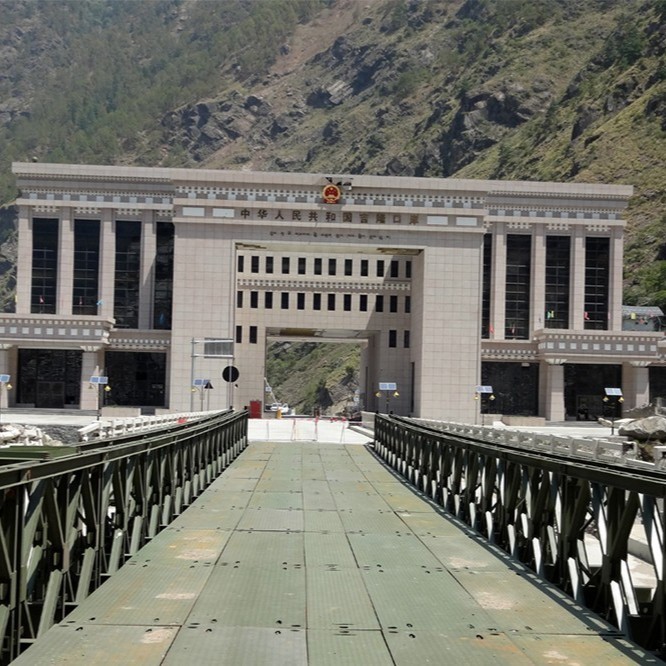
Rasuwagadhi Border Reopens After Six Months: Trade Resumes Amid Restrictions
Rasuwa, January 1, 2026 – The Rasuwagadhi checkpoint along the Nepal–China border has officially resumed operations today, marking a major step toward restoring northern trade routes that were disrupted for nearly six months.
The resumption follows the completion of a 91-metre temporary Bailey bridge constructed by the Government of China, replacing the Miteri Bridge over the Bhotekoshi River, which was swept away by devastating floods in July 2025. The new bridge can support vehicles weighing up to 55 tonnes, allowing cargo and transport to move across the border once again. Eight Nepali cargo containers have already crossed the border, heading toward Kerung, according to Police Inspector Bikram Kunwar of the Timure Border Police Post.
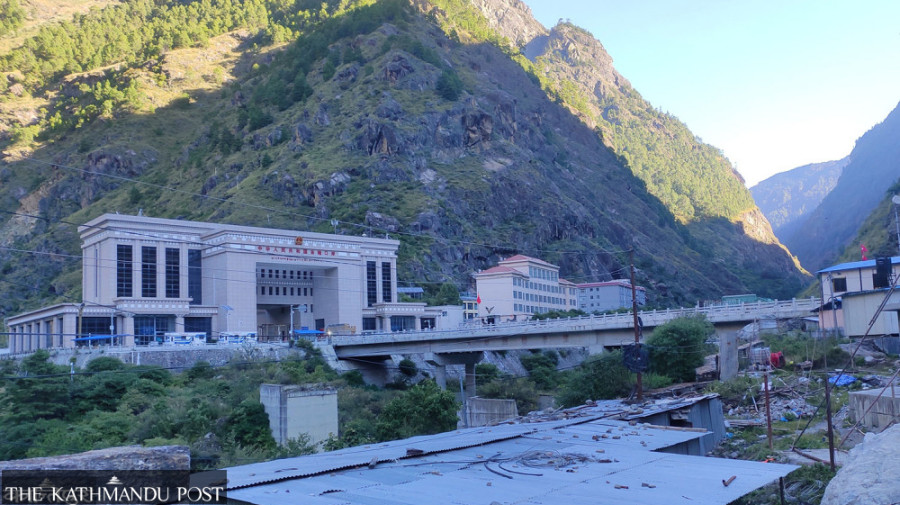
Economic Impact of the Border Closure
The prolonged closure of Rasuwagadhi significantly affected trade and revenue. Rasuwagadhi Customs Office Chief Tulasi Prasad Bhattarai stated that the shutdown resulted in revenue losses exceeding Rs 22 billion in import collections compared to the previous fiscal year.
The flood on July 8, 2025, had damaged several road sections, including the Miteri Bridge, leaving traders and transporters stranded. With the installation of the Bailey bridge, partial operations resumed last Sunday, sparking hopes for full reopening.
Restrictions Continue to Challenge Traders
Despite the reopening, strict border rules currently allow only residents of Rasuwa district to cross, leaving traders from other regions frustrated.
“As per the work procedure, only local residents and migrants living in Rasuwa are provided with border passes,” said Chief District Officer Rajesh Panthi.
Traders report that before the bridge was destroyed, they regularly traveled to Kerung to inspect consignments arriving from 15 provinces in China. The partial reopening prevents this, causing continued uncertainty for trade.
“There is no meaning in opening the border if traders are not allowed to cross,” said Ram Hari Karki, President of the Nepal Trans-Himalayan Border Commerce Association.
Container Backlog and Trade Challenges
Currently, around 250 containers are stuck on the Chinese side, and with new orders following the border reopening, the number could rise to 500 containers. Traders rely on these northern overland routes for readymade garments, consumer electronics, footwear, and electric vehicles, which typically arrive from Guangzhou within three weeks, significantly reducing transport time and costs.
The Kerung disruption also affected domestic markets, including electric vehicle sales during the Teej festival, prompting some traders to temporarily use Korala, China’s third border point with Nepal. However, Korala is now closed due to extreme winter conditions at 4,650 metres altitude.
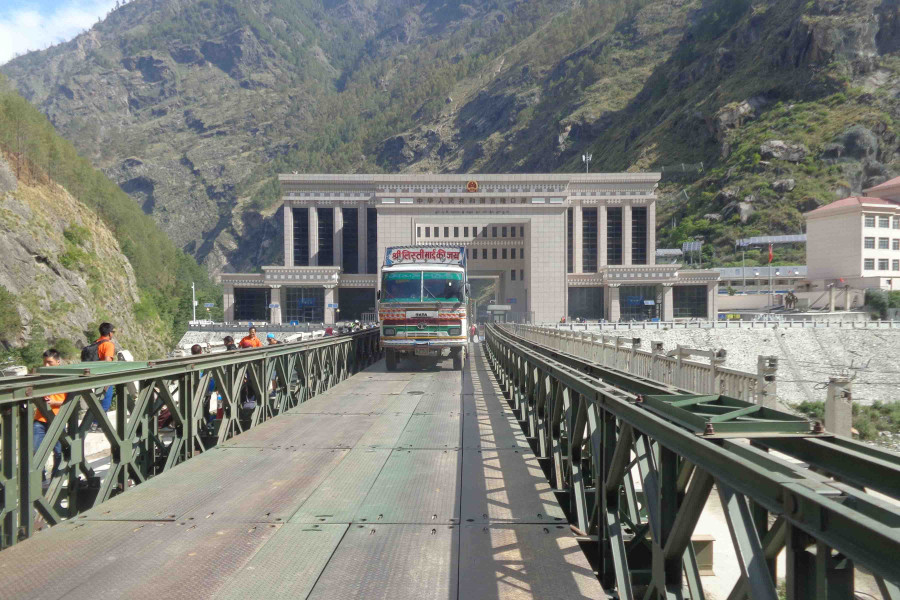
Trade Statistics and Outlook
Despite the disruptions, imports from China increased by 24.63% in the first five months of the current fiscal year, totaling Rs 163.73 billion, while exports to China fell sharply by 73.26%, amounting to just Rs 466.81 million, according to the Department of Customs. Traders and officials are now seeking clarity on the border’s full operational status and urging authorities to ease restrictions to facilitate trade.
The Nepali Consulate General in Lhasa has confirmed an agreement with Chinese authorities to allow people to travel to Kerung, though details on implementation remain unclear.
Rasuwagadhi Border 2026 Update: The reopening of this key trade gateway offers cautious optimism for cross-border commerce, but traders continue to face significant hurdles due to restrictions, frozen alternative routes, and a backlog of goods. Full restoration of trade operations remains critical for northern Nepal’s economic recovery.
