
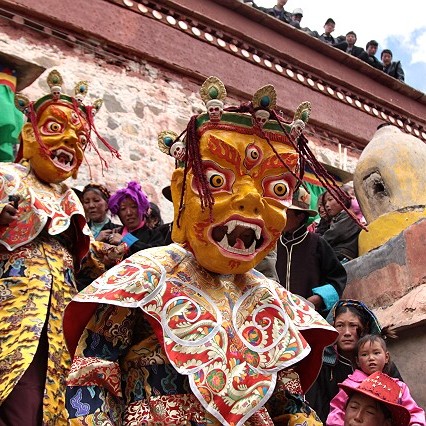
Saga Dawa Festival: Tibet’s Most Sacred Celebration
Saga Dawa, one of the most significant festivals in Tibetan Buddhism, is a vibrant celebration that commemorates the birth, enlightenment, and parinirvana (passing away) of Lord Buddha. Observed during the fourth month of the Tibetan lunar calendar, this sacred festival offers travelers a unique opportunity to witness Tibet’s spiritual traditions in their most authentic form.
The Significance of Saga Dawa Festival
Saga Dawa is not just a festival; it is a profound spiritual observance. The entire month is considered auspicious, but the full moon day, the culmination of Saga Dawa is believed to be the most powerful. Devotees engage in acts of generosity, prayer, and pilgrimage to accrue spiritual merit, cleanse negative karma, and seek blessings.
Key highlights of the festival’s significance include:
- Birth of Buddha: Celebrating the arrival of Siddhartha Gautama into the world.
- Buddha’s Enlightenment: Commemorating his attainment of enlightenment under the Bodhi tree.
- Parinirvana: Marking Buddha’s departure from the mortal realm and his attainment of ultimate liberation.sa

Traditional Customs and Rituals
During Saga Dawa, Tibetan communities immerse themselves in spiritual practices:
- Pilgrimages: Devotees travel to sacred monasteries, temples, and holy mountains, often performing full-body prostrations along the way.
- Butter Lamps and Offerings: Illuminating temples with butter lamps symbolizes the dispelling of darkness and ignorance. Offerings of fruits, grains, and flowers are made to Buddha and deities.
- Prayer Wheels and Mantras: Spinning prayer wheels and reciting mantras like Om Mani Padme Hum are believed to multiply blessings and spiritual merit.
- Feeding the Needy: Acts of charity and kindness are emphasized, reflecting the festival’s message of compassion.
Life of Locals During Saga Dawa
Visiting Tibet during Saga Dawa offers a rare glimpse into the daily spiritual life of Tibetan communities. Streets come alive with pilgrims, colorful prayer flags, and the scent of incense. Monasteries host chanting sessions, and locals share food and blessings with travelers, creating an atmosphere of unity and devotion.
Experiences for Travelers
For those journeying with Mountain Tiger Nepal, Saga Dawa provides an immersive spiritual and cultural experience:
- Witness Sacred Rituals: Participate in or observe age-old rituals at iconic sites such as Jokhang Temple, Sera Monastery, and Mount Kailash.
- Capture Vibrant Festivals: Photography enthusiasts will be enthralled by the colorful processions, traditional attire, and illuminated temples.
- Engage with Locals: Learn about Tibetan customs, beliefs, and the philosophy of Buddhism from resident monks and pilgrims.
- Spiritual Reflection: Take time to meditate, spin prayer wheels, or join chanting sessions in serene, sacred surroundings.
Best Time to Visit
Saga Dawa falls on the full moon of the fourth Tibetan month, typically in May or June. Travelers should plan well in advance as monasteries and pilgrimage sites attract large numbers of devotees during this period.
Travel Tips for Saga Dawa Pilgrims
- Dress modestly and respectfully when visiting religious sites.
- Be mindful of photography restrictions in monasteries.
- Carry comfortable walking shoes for pilgrimages and prostrations.
- Stay hydrated and acclimatize properly if visiting high-altitude sites like Lhasa or Mount Kailash.
- Engage with locals respectfully and observe their customs.
Why Choose Mountain Tiger Nepal
At Mountain Tiger Nepal, we specialize in curated Tibetan spiritual journeys that combine comfort, safety, and authentic experiences. Our expert guides ensure you witness Saga Dawa in its most meaningful form while enjoying seamless travel arrangements.
- Tailored itineraries covering Tibet’s sacred temples and mountains.
- Experienced guides fluent in local culture and history.
- Premium accommodations with access to remote pilgrimage sites.
- Fully supported logistics, including permits, transport, and meals.
