
Satellite Phones and Health Emergencies on Nepal Treks: Staying Safe in the Himalayas
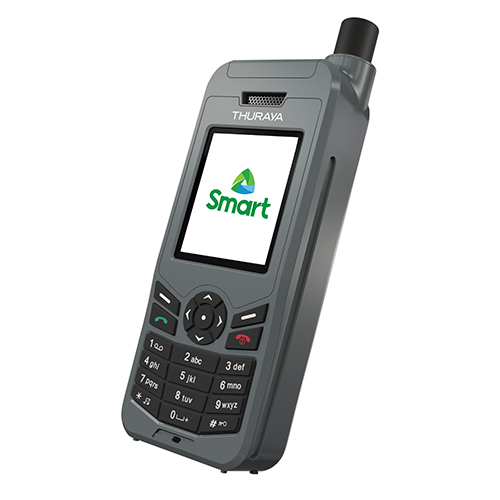
Nepal’s majestic mountains, remote villages, and off-the-beaten-path trails offer unforgettable trekking experiences. But the very remoteness that makes these treks magical also poses serious health and safety risks. Accidents, altitude sickness, sudden illnesses, and natural hazards can happen anywhere often far from medical facilities. In these situations, satellite phones become a critical tool to ensure timely help and peace of mind.
Why Health Emergencies Are a Concern on Nepal Treks
Even seasoned trekkers face challenges in Nepal:
- Altitude Sickness (Acute Mountain Sickness, AMS): Can affect trekkers above 2,500 meters and worsen rapidly at higher altitudes.
- Injuries: Slips, falls, or accidents on rocky trails or icy passes.
- Sudden Illness: Gastrointestinal issues, dehydration, or cardiac events in remote areas.
- Natural Hazards: Landslides, avalanches, and sudden storms, particularly in regions like Annapurna, Dolpo, and Everest Base Camp.
Medical facilities are often hours or even days away in remote areas, making immediate communication vital.
How Satellite Phones Save Lives
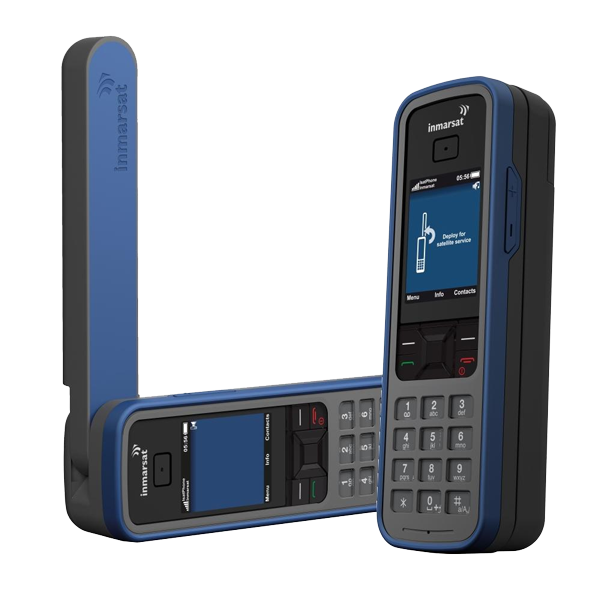
Unlike mobile phones, satellite phones connect directly to satellites, enabling communication anywhere in the world. Their benefits for health emergencies on Nepal treks include:
- Immediate Emergency Calls: Contact local hospitals, rescue teams, or helicopter evacuation services without delay.
- Coordination With Guides and Base Camp: Expeditions can organize rapid response and ensure injured trekkers are stabilized.
- Real-Time Location Sharing: GPS-enabled satellite phones allow rescuers to pinpoint exact locations in difficult terrains.
- Weather Alerts: Avoid worsening conditions that can complicate medical situations, such as storms or avalanches.
Real-Life Examples of Satellite Phone Use in Emergencies
- High-Altitude Evacuations: Trekkers developing severe altitude sickness on Everest or Annapurna expeditions have been airlifted after base camp received SOS messages via satellite phone.
- Remote Village Accidents: Injuries in Mustang or Dolpo villages have been managed effectively with immediate communication to nearest medical teams.
- Natural Disaster Response: Landslides or flash floods can be reported immediately, enabling timely rescue and evacuation.
Choosing the Right Satellite Phone for Treks
When selecting a satellite phone for trekking in Nepal:
- Coverage: Iridium network provides true global coverage, including the highest Himalayan peaks.
- Battery Life: Ensure long battery life for multi-day treks; consider solar chargers or power banks.
- Durability: Opt for rugged, weather-resistant models suitable for extreme cold and rough handling.
- GPS Functionality: Devices with GPS allow real-time tracking and location sharing during emergencies.
Tips for Using Satellite Phones in Health Emergencies
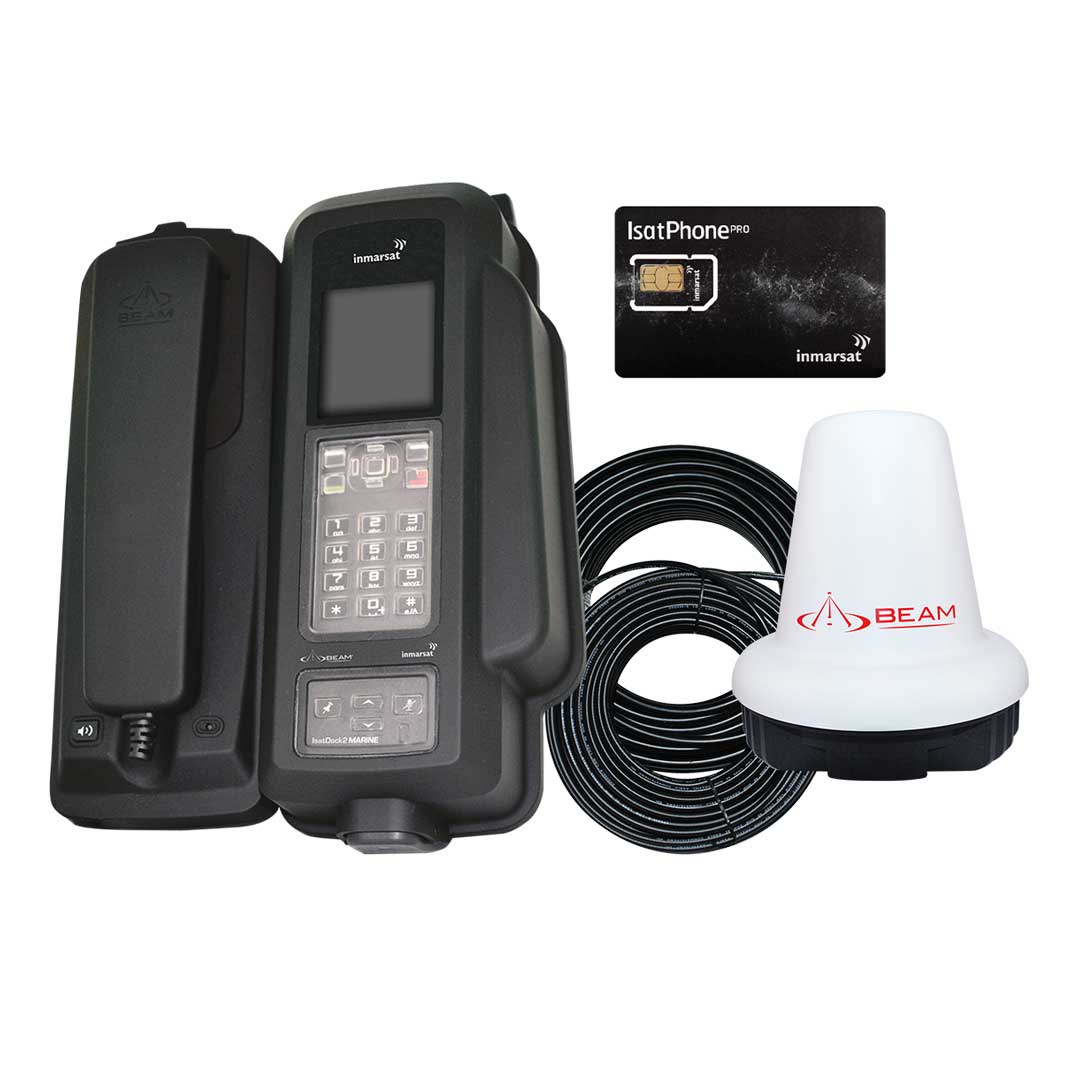
- Pre-Program Emergency Numbers: Include local hospitals, rescue helicopters, guides, and base camp contacts.
- Check Signal Availability: Find open areas or high ground for better satellite reception.
- Keep It Accessible: Store the device close to your body in cold weather to prevent battery drain.
- Know Basic Procedures: Learn how to send SOS messages and communicate effectively with rescue teams.
Mountain Tiger Nepal’s Safety Commitment
At Mountain Tiger Nepal, your health and safety are our top priority. We provide:
- Satellite phones for treks in remote areas
- Pre-trek safety briefings and emergency communication training
- Coordination with local rescue services for rapid response
- GPS tracking and location updates for trekking groups
Our goal is to ensure that even in the most remote corners of Nepal, help is never out of reach.
Conclusion
Nepal treks are breathtaking adventures, but they come with inherent risks. Satellite phones are not a luxury; they are a lifeline in health emergencies, providing immediate communication, location tracking, and peace of mind for trekkers and their families. Proper preparation, knowledge of the device, and emergency planning can make the difference between a manageable situation and a serious crisis.
