
Secret Tea Plantations of Eastern Nepal: A Journey Through Mist and Flavor
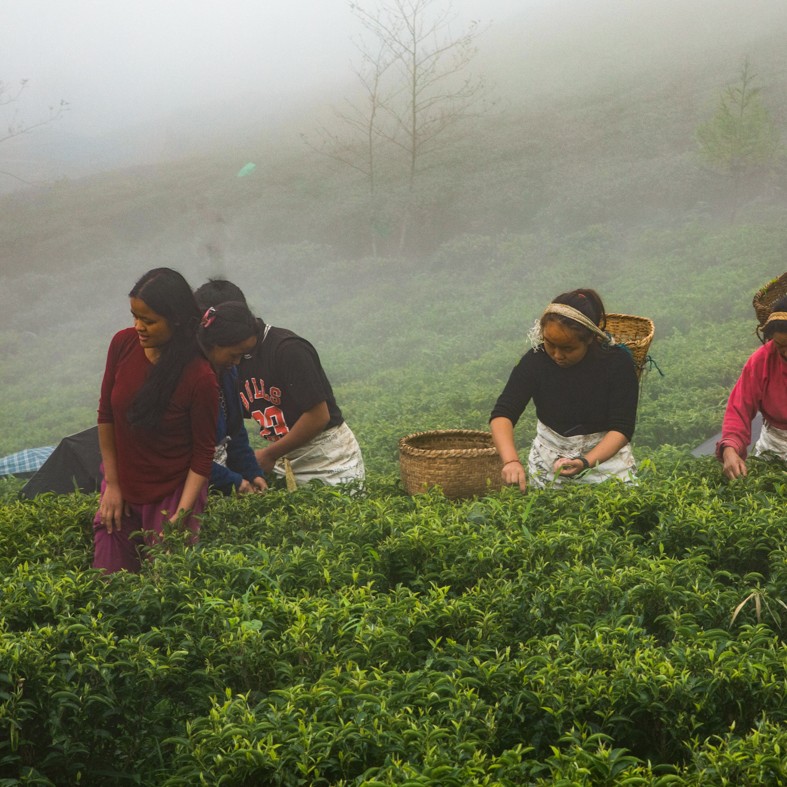
The morning fog drifts lazily over emerald terraces, curling around the peaks of Ilam’s forgotten hills. The air is fragrant, filled with the delicate scent of tea leaves and wet earth. Few travelers ever tread here; the paths are narrow, winding between small homesteads where generations of farmers have cultivated tea long before it became a global commodity.
Walking through these secret plantations, you notice the rhythm of life dictated by the tea: hands plucking leaves in perfect rows, women sorting and rolling freshly harvested leaves under wooden sheds, and the occasional goat weaving through the misty paths. Here, tea is not just a crop it is a way of life, an unbroken chain connecting land, family, and culture.
The Taste of Tradition
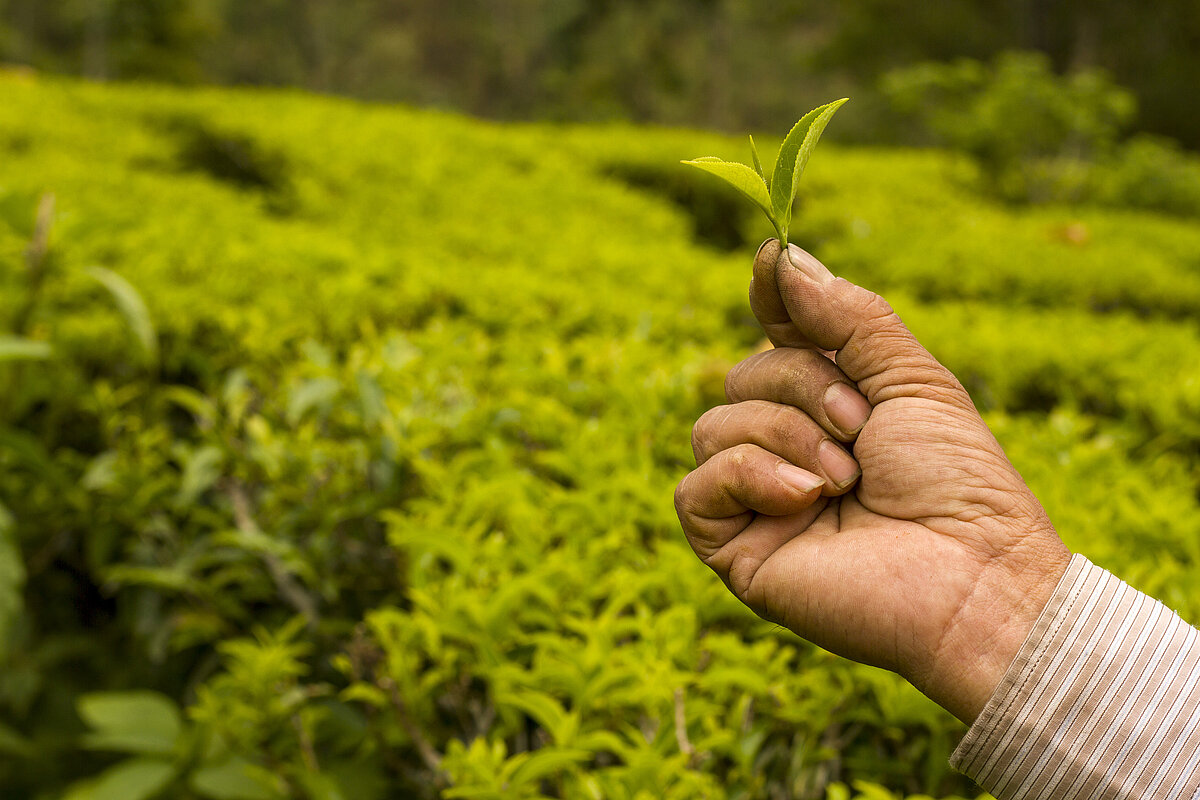
Each plantation has its own signature flavor. In some hidden corners, high-altitude terraces produce a slightly smoky, earthy tea that tastes of the morning mist and cold winds. In others, the leaves are tender and sweet, carrying subtle floral notes reminiscent of wild orchids dotting the hillsides. Tasting tea here is not about the perfect brew, it is about experiencing the story of the hills in a cup.
As you sip, the farmers share tales: how the hillsides were first planted decades ago, how every season is measured by the growth of the leaves, and how the community survives on the delicate balance between harvest, rainfall, and tradition. Every cup is infused with history, patience, and care.
A Walk Through Time
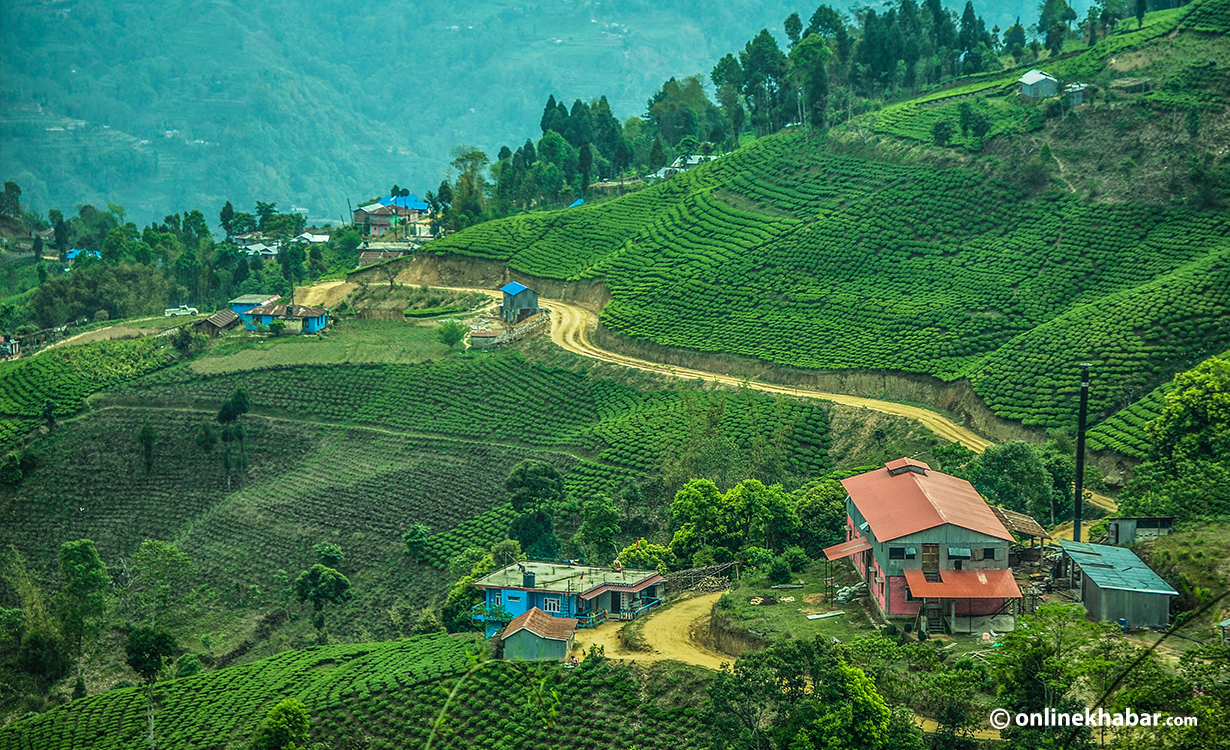
Moving along the narrow paths between terraces, you encounter villages that seem frozen in time. Smoke curls from chimneys, dogs laze in the sun, and children play with simple wooden toys. The tea plantations are woven into the life of these villages, forming a backdrop to stories of festivals, harvests, and celebrations passed down through generations.
Here, you are not a tourist, you are a participant in a living landscape, following trails that have seen hundreds of harvests, where every bend in the path reveals a new vista, a hidden waterfall, or a tiny shrine that whispers of local legends.
The Quiet Magic
What makes these plantations truly special is their solitude. The misty mornings, the quiet murmur of leaves, the faint scent of wet soil is a world apart from bustling tea estates or city cafes. Time slows here. You are reminded that the journey, the connection with people, land, and flavor, is just as vital as the destination.
Conclusion
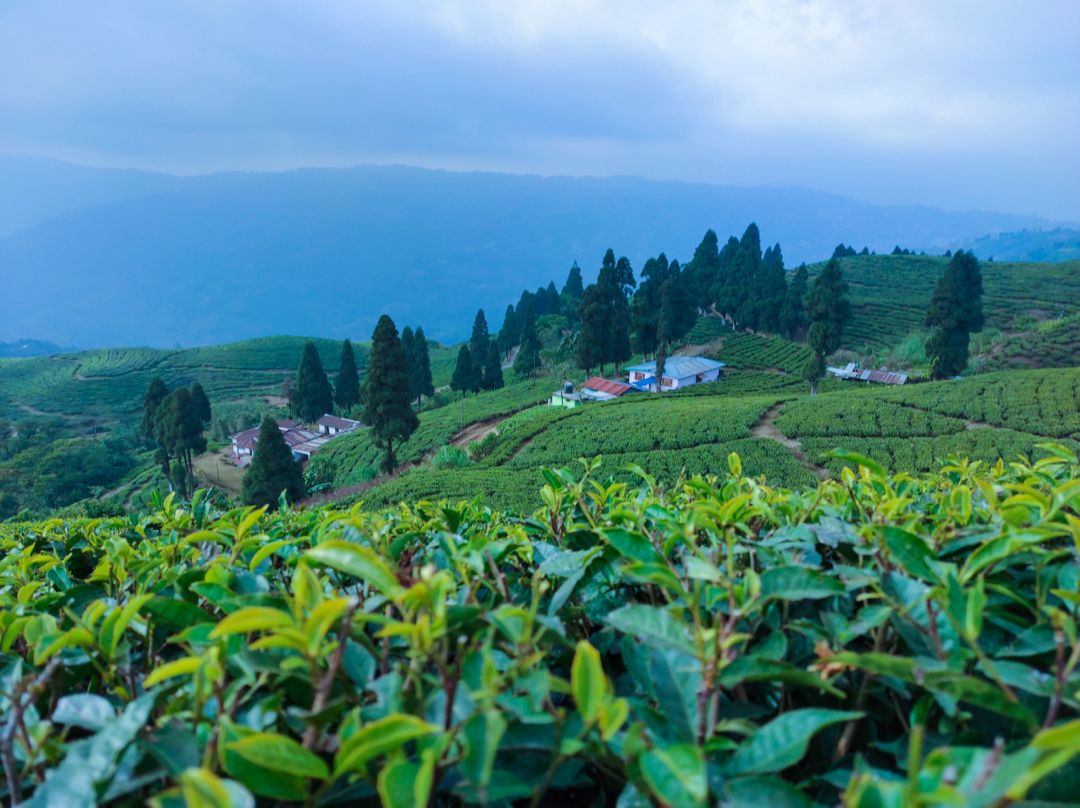
Eastern Nepal’s secret tea plantations are more than a destination; they are a journey into the soul of the Himalayas. They invite travelers to taste, walk, and breathe in a culture that thrives quietly on misty slopes and terraced hills. In every sip of tea, you taste the patience of generations, the whisper of the wind through the leaves, and the enduring spirit of the mountains.
