
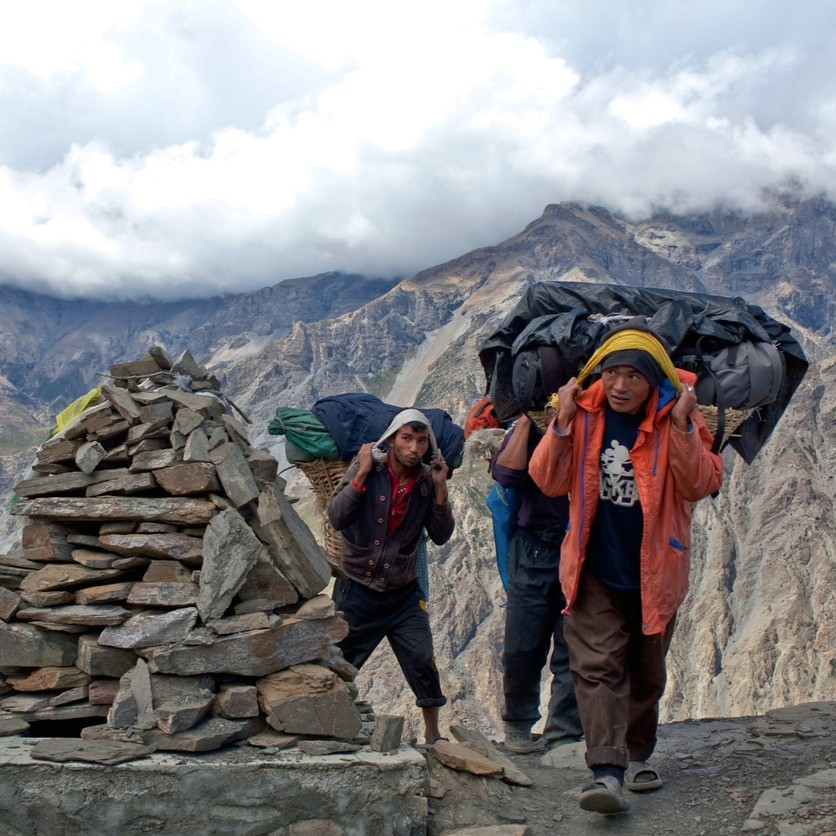
Sherpa Mindset: Discipline, Patience, and Mountain Wisdom
In the realm of high-altitude endurance and mental strength, Sherpas stand in a category of their own. They guide climbers across the Khumbu Icefall, navigate avalanches, and move confidently through landscapes where a single mistake can be fatal. Yet, they do this with an extraordinary calmness, a grounded wisdom built through centuries of living among the world’s highest peaks.
Their resilience isn’t just physical.
It’s psychological mastery.
A mindset shaped by discipline, patience, spirituality, community, and deep harmony with the mountains.
This is the untold secret behind their strength: The Sherpa mindset is a powerful blend of emotional regulation, cultural values, and lived experience.
And it offers lessons the entire world can learn from.
The Pillars of the Sherpa Mindset
Sherpas aren’t simply born strong; they are shaped by an environment and culture that teaches them how to think, act, breathe, and endure. Their mindset rests on three core pillars:
- Discipline
- Patience
- Mountain Wisdom
Let’s dive deeper into each.
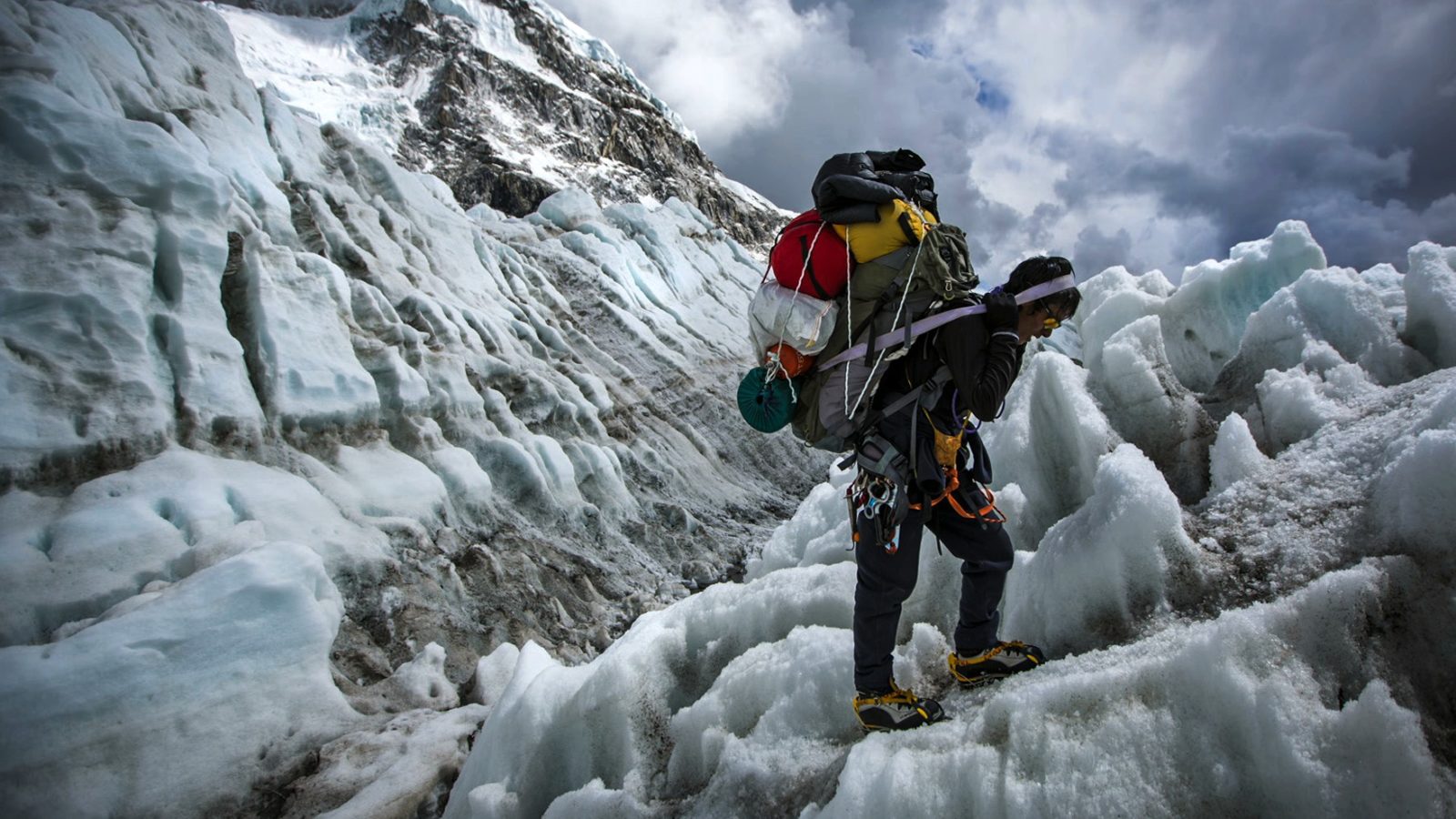
1. Discipline: The Quiet Strength Behind Every Step
Discipline for Sherpas is not rigid control, it is a natural rhythm of life. Growing up in high-altitude villages, they learn from childhood:
- To wake early
- To walk long distances to school or work
- To assist with household and community chores
- To carry loads with purpose and care
- To follow structured routines that conserve energy
This grounded discipline nurtures focus, responsibility, and self-reliance.
In mountaineering, Sherpas apply this discipline through:
- Maintaining consistent pacing
- Checking ropes and equipment meticulously
- Carrying loads strategically
- Monitoring weather conditions
- Staying organized even in chaos
To Sherpas, discipline isn’t forced, it's an expression of respect for the mountains.
You do what needs to be done, when it needs to be done.
2. Patience: The Art of Moving at the Mountain’s Pace
In the Himalaya, impatience can cost a life.
That is why Sherpas view patience as a vital skill, not a personality trait.
From an early age, they learn that:
- Trails are long
- Weather changes without warning
- Avalanches don’t follow human timelines
- The mountain decides, not the climber
So they cultivate patience as a protective, intentional mindset.
Sherpa Patience Looks Like:
- Taking slow, steady steps rather than rushing
- Waiting for the safest weather window
- Allowing climbers to adapt to altitude
- Keeping emotional calm even under pressure
- Accepting delays without frustration
Their calmness is not passive, it is strategic.
It’s the wisdom of knowing that the mountain rewards those who wait.
3. Mountain Wisdom: A Deep Spiritual and Cultural Intelligence
Sherpa wisdom runs deeper than experience it comes from generations of living in harmony with nature. Their culture is intertwined with Tibetan Buddhism, which teaches compassion, presence, and impermanence.
This shapes their behavior in profound ways:
• Respect for Nature
Sherpas believe the mountains are sacred, home to deities and spirits. This reverence fosters humility, caution, and gratitude.
• Awareness of Impermanence
Life in harsh terrain teaches that conditions change instantly. This makes Sherpas mentally flexible, adaptable, and emotionally stable.
• Compassion and Cooperation
Community strength is a cornerstone of Sherpa culture. Mutual help in high-risk environments nurtures kindness, unity, and emotional resilience.
• Mindfulness in Motion
Whether walking, climbing, or carrying loads, they remain deeply present — a form of moving meditation that strengthens focus and endurance.
To Sherpas, the mountains are teachers, not obstacles.
Every climb becomes a lesson in balance, humility, and presence.
What Makes Sherpas Mentally Strong in Extreme Conditions?
Sherpas excel in high-risk, low-oxygen environments because they combine:
- Emotional control
- Practical experience
- Deep cultural grounding
- Mindful breathing
- Strong community support
- A sense of purpose in their work
They stay focused during storms, comfortable in uncertainty, and mentally steady while managing the world’s most dangerous landscapes.
Their composure is the result of inner training, not luck.
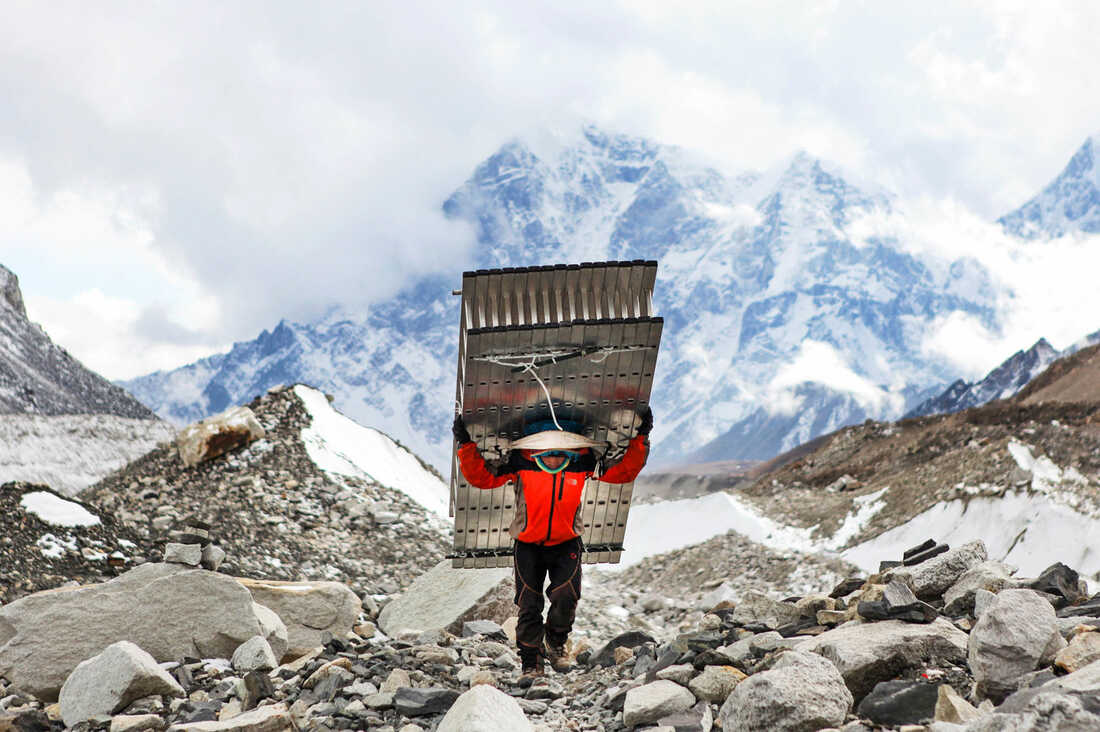
Lessons Everyone Can Learn from the Sherpa Mindset
The Sherpa mindset is not limited to mountaineering it applies to leadership, personal growth, and daily life.
-Discipline builds consistency
Small, steady efforts create long-term strength.
-Patience protects your energy
Waiting for the right moment prevents unnecessary struggle.
-Wisdom grows through presence
Observe before reacting. Respond thoughtfully.
-Respect your environment
Understanding the forces around you creates better decisions.
-Stay grounded in community and purpose
Support fuels resilience.
A Final Reflection: Calmness Is a Superpower
In a world obsessed with speed, the Sherpas teach us a timeless lesson:
Slow your mind.
Focus your breath.
Honor the journey.
Their discipline keeps them steady.
Their patience keeps them safe.
Their wisdom keeps them connected.
And together, these qualities create the unshakable resilience that makes Sherpas the heartbeat of Himalayan mountaineering.
In every calm breath and deliberate step lies the true power of the Sherpa mindset.
