Skydiving in Nepal: The Ultimate Guide
Why Skydive in Nepal?
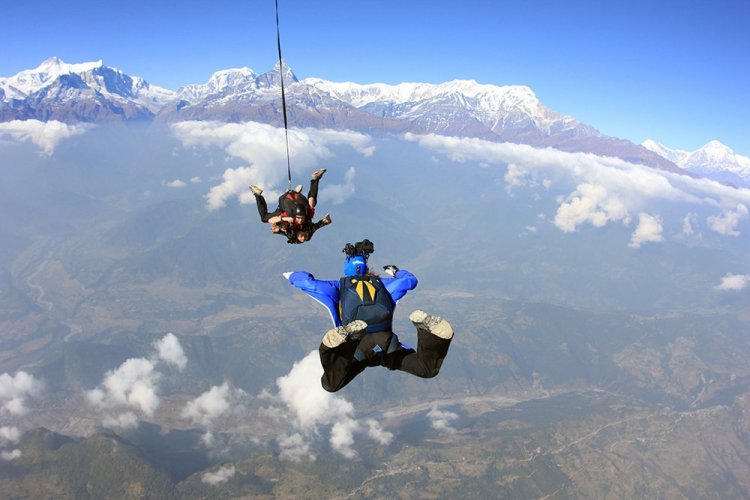
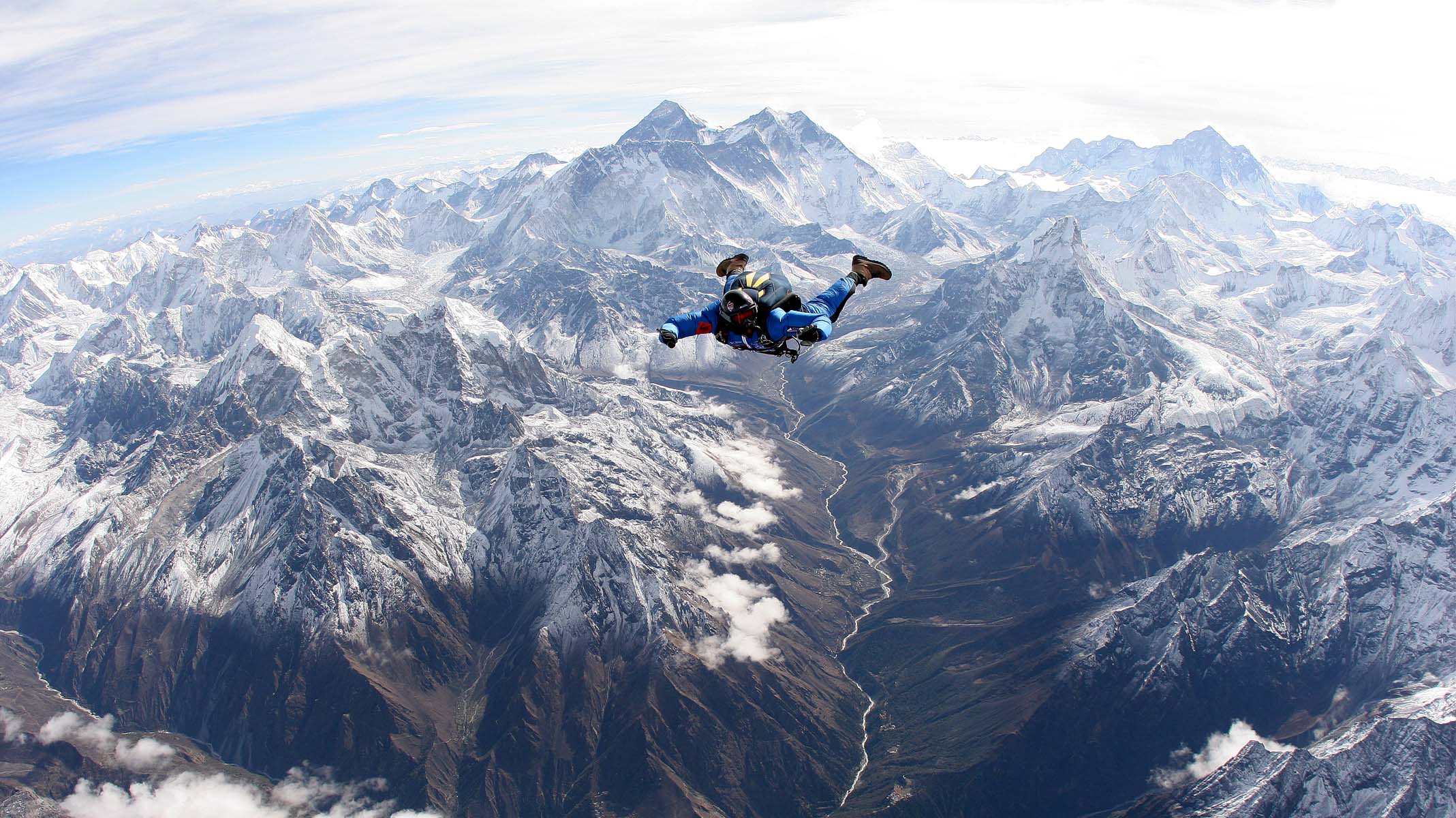
- Unmatched Himalayan Views: Skydiving in Nepal gives you a rare airborne perspective—free-fall or parachute glide with views of the Annapurna range (from Pokhara) or even Everest (for very high-altitude jumps).
- Unique Drop Zones: There are drop zones in Pokhara (near Phewa Lake & Annapurna range) and for the boldest, Everest skydives from helicopters.
- Growing Adventure Tourism: Skydiving is relatively new to Nepal but is gaining traction. Licensed operators and local investment (like by Simrik Air) are making it more accessible.
Key Skydiving Operators in Nepal
- Everest Skydive
- Himalayan Skydive
- Licensed for skydiving in Pokhara, Kathmandu, Khumbu, and more.
- Offers tandem jumps; you go strapped to a professional instructor.
- Average freefall speed: ~115 mph.
- Simrik Air
- Pokhara Skydive / TMH Adventure
- Operated by TMH Adventure (in partnership with Explore Himalaya) in Pokhara.
- 9-day “Skydive Package”: includes multiple jumps, sightseeing, and rafting.
- Price starts at USD 2,999 for the full package.
- SkyDiving Nimsdai
- Offers a 6-day “levitate above Pokhara” trip with a 12,000 ft jump, solo or tandem.
- Solo jump price: ~USD 200; Tandem: ~USD 820.
Cost Breakdown & Packages
- Pokhara Tandem (Himalayan Excursion Nepal):
- Simrik Air Packages:
- Pokhara Skydive 9‑day Package: USD ~2,999 includes accommodation, sightseeing, and multiple jumps.
Safety & Regulations
- Licensing: Operators like Himalayan Skydive hold a government license (Ministry of Culture, Tourism & Civil Aviation) for parachuting in Nepal.
- Equipment: High-altitude jumps (like Everest) use larger parachutes, reserves, and AAD (automatic activation devices) for safety. Permits: High-altitude skydives (Everest) require special permissions, so booking must be done well in advance.
- Instructor Certification: Tandem jumps are done with certified instructors.
- Weather Dependence: Jumps can be canceled or postponed due to poor conditions wind, visibility, and safety are closely monitored.
Best Time to Skydive in Nepal
- Peak Adventure Seasons: Fall (Sept–Nov) and Spring (March–May) offer more stable weather and better visibility.
- High-Altitude Jumps (Everest): Likely aligned with good weather windows when helicopter flights operate safely.
- Booking Events: Simrik Air’s first Nepal-led skydiving event ran in February, showing early-year potential for organized skydiving activity.

What to Expect During the Experience
- Pre‑Jump Briefing: Safety, free-fall posture, parachute operation, and landing procedure.
- Ascent: By small aircraft (or chopper for Everest), climb to jump altitude.
- Free Fall: Duration depends on altitude; high-altitude jumps last longer.
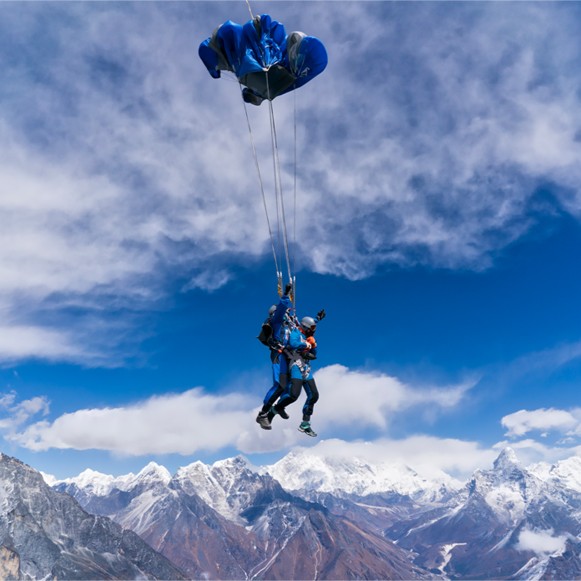
- Parachute Ride: After deploying the chute, float down for panoramic views.
- Landing: Trained instructors guide the glide to safe landing zones.
- Media: You can get professional footage — photos and videos are often included in higher-tier packages.
Why Skydiving in Nepal Is a Unique Adventure
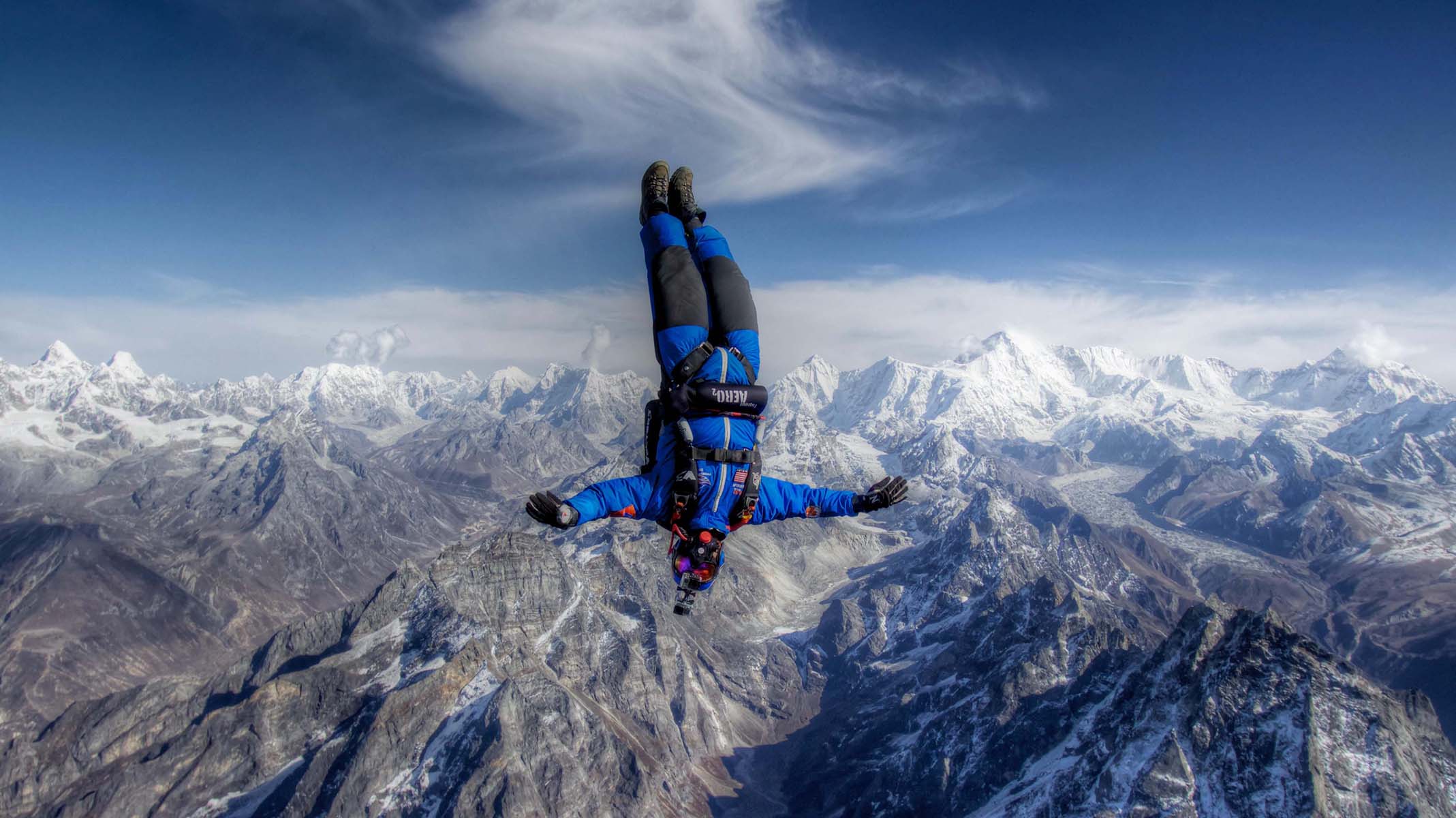
- You’re not just free-falling — you’re diving with Himalayan giants around you (Annapurna, Fishtail, Everest).
- For many, it’s a dual-adventure: trek first, then skydive, blending both worlds.
- Emerging infrastructure and local talent (Simrik Air’s Nepali instructors) make it a growing and sustainable tourism option.
Final Thoughts
Skydiving in Nepal is not yet as mainstream as trekking or paragliding — but that’s precisely what makes it so special and exclusive. Whether you go for helicopter jumps in the Everest region, tandem dives in Pokhara, or multiday skydiving-adventure tours, you’re signing up for an experience that’s rare, breathtaking, and deeply Himalayan.