
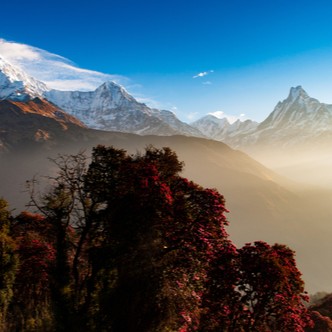
Solo Female Trekkers: Why the Annapurna Circuit is Safe with the Right Guide
For solo female travelers, the thought of trekking the Annapurna Circuit can be thrilling yet daunting. Questions swirl:
- Is it safe to hike alone in remote villages?
- How do I handle language barriers or emergencies?
- Can I trust local guides and porters with my safety?
The truth is, the Annapurna Circuit is one of the most accessible and supportive trekking routes for solo female adventurers as long as you have the right guidance, preparation, and understanding of local customs.
Here’s how Mountain Tiger Nepal ensures safety, builds trust, and empowers women to explore the Himalaya confidently.
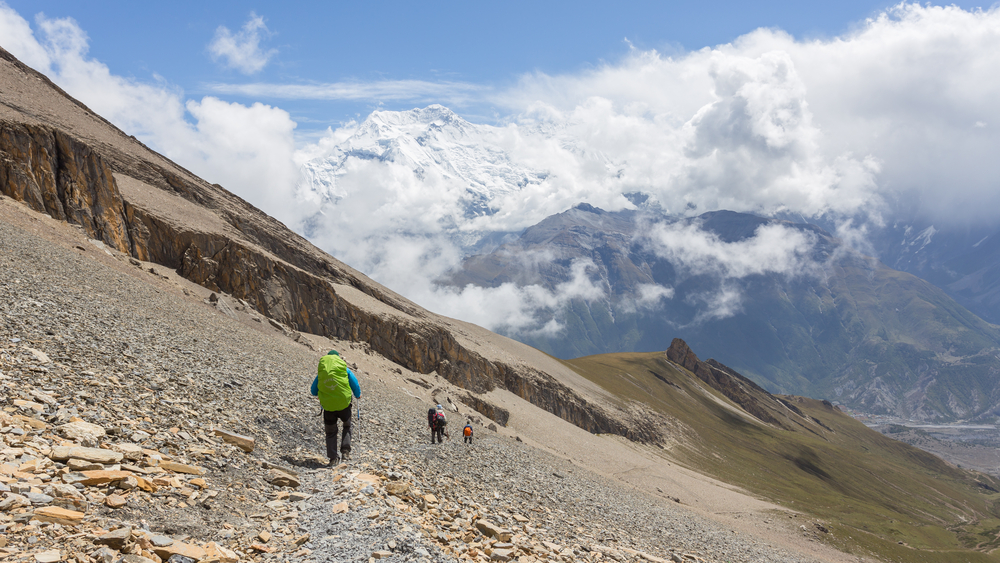
1. Safety Starts with the Right Guide
The foundation of a safe trek is vetting your guide and support team:
- Experienced Guides: Our guides have years of experience on the Annapurna Circuit and have successfully guided solo women, international trekkers, and large groups.
- Local Knowledge: Guides understand trail conditions, altitude challenges, and weather patterns and can anticipate hazards before they become problems.
- Emergency Preparedness: From altitude sickness to unexpected injuries, trained guides provide first aid, evacuation planning, and support.
Choosing a trusted guide transforms a potentially stressful solo trek into a secure, enjoyable journey.
2. Practical Measures for Solo Female Trekkers
While the Annapurna Circuit is generally safe, some practical precautions enhance safety:
- Stay in Family-Run Teahouses: These lodges provide safe accommodation, hot meals, and a welcoming environment.
- Walk During Daylight Hours: Most villages and trails are well-traveled during the day; avoid isolated trekking at night.
- Dress Respectfully: Nepali culture values modest clothing; dressing appropriately fosters respect and comfort.
- Communicate Your Plans: Keep your guide informed of daily goals, rest stops, and any changes in pace.
- Stay Connected: Local SIM cards, walkie-talkies, and emergency contacts ensure you are reachable.
These practical steps, combined with a skilled guide, create a secure trekking experience without diminishing freedom or adventure.
3. Trust Through Transparent Vetting and Community Integration
Mountain Tiger Nepal emphasizes trust, transparency, and cultural respect:
- Guide Screening: Every guide is thoroughly vetted for skill, reliability, and cultural sensitivity.
- Community Ties: Guides are deeply embedded in the local communities along the Annapurna Circuit, ensuring that trekkers are welcomed and safe.
- Feedback Systems: Solo female trekkers’ feedback informs future guide training and client matching.
Trust isn’t assumed it’s earned through professionalism, experience, and a commitment to safety.
4. Annapurna Circuit: Safe Yet Adventurous
The Annapurna Circuit combines well-established trails with breathtaking scenery, making it ideal for solo female trekkers:
- Regular Villages: Frequent settlements provide lodging, food, and local support every 1–3 hours of trekking.
- Community-Oriented Culture: Locals are welcoming, respectful, and accustomed to hosting international visitors.
- Reliable Trails: Signposted and maintained paths reduce the risk of getting lost.
- Altitude Awareness: Proper acclimatization schedules prevent common trekking hazards like acute mountain sickness.
With preparation, guidance, and cultural awareness, the trek is both safe and empowering.
5. Building Confidence Before You Trek
Solo female trekkers thrive when they feel confident in:
- Knowledge of the Route: Understanding daily distances, terrain, and altitude changes.
- Health & Fitness: Preparing for the physical demands of 7–12 days of trekking.
- Emergency Planning: Knowing evacuation procedures and having a trained guide ensures peace of mind.
Confidence plus the right support reduces fear and enhances the freedom of solo exploration.
Final Reflection: Empowerment Through Preparedness
Trekking the Annapurna Circuit as a solo female is not only possible it is safe, transformative, and empowering.
With the right guide, practical planning, and respect for local culture, every step becomes a journey of confidence, self-reliance, and discovery.
Your adventure shouldn’t be limited by fear, it should be guided by trust, preparation, and the unparalleled beauty of the Himalaya.
