

Starlink on Everest? Staying Connected at 17,500 ft in 2027
Imagine standing at Everest Base Camp (EBC), 17,500 ft above sea level, with panoramic views of the Himalayas, yet staying fully connected posting photos in real time, checking emails, or even taking work calls. With Starlink satellite internet, that vision feels possible.
But before you pack a satellite dish alongside your down jacket, here’s what trekkers, climbers, and digital nomads should know for 2027.
What Is Starlink and Why It Matters for Trekkers
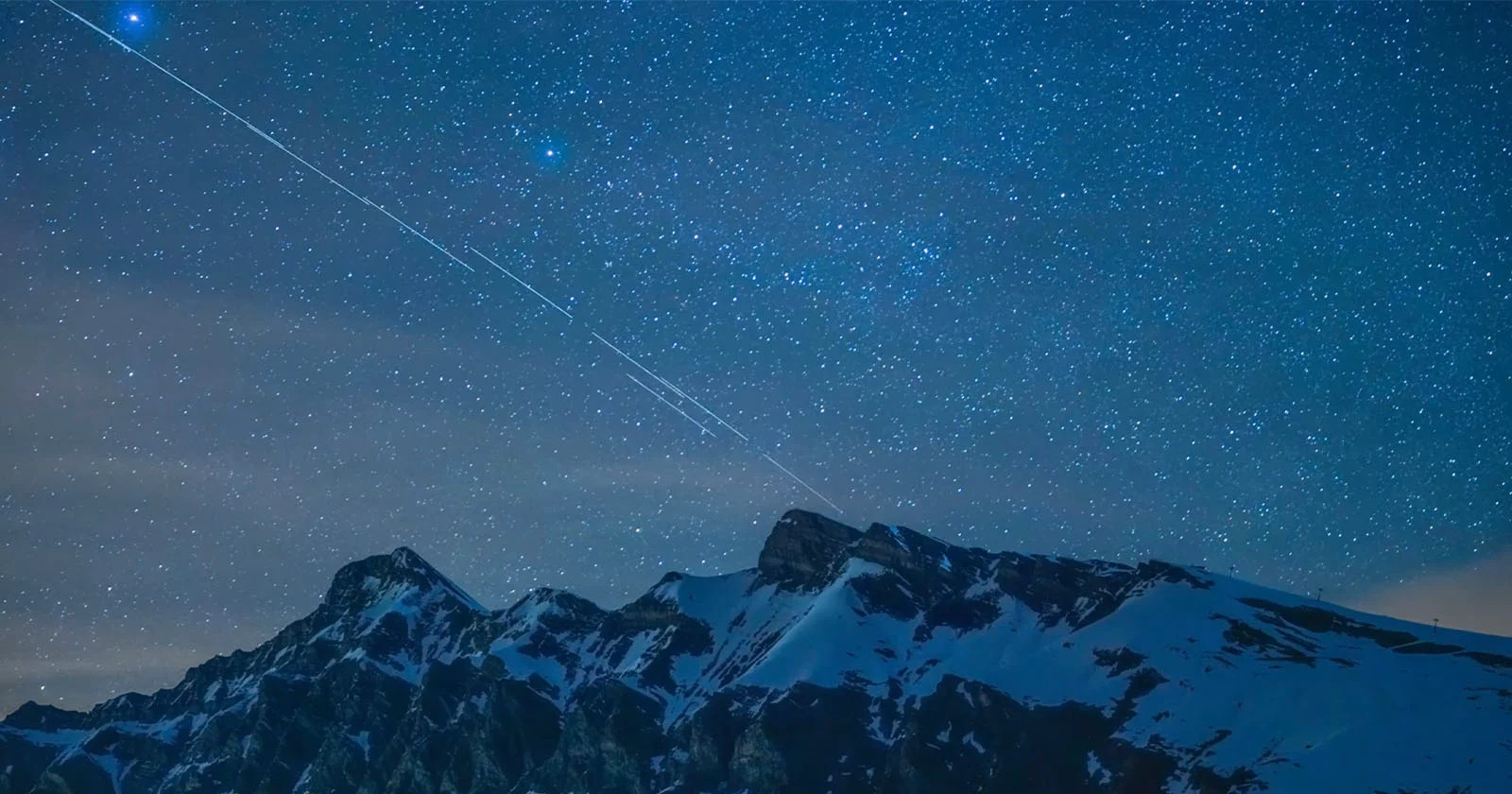
Starlink is a satellite internet service by SpaceX that beams broadband from low-Earth orbit, reaching remote locations where traditional networks cannot. It promises high-speed connectivity even in extreme and isolated environments.
The idea of using Starlink on Everest is exciting, especially for those who want reliable connectivity above 5,000 m for work, live streaming, or personal communication.
Regulatory Reality in Nepal (2025–2027)
As of 2025–2026, Starlink has not been approved for official use in Nepal.
Key points:
- Nepal’s Telecommunications Authority (NTA) warns that using unauthorized satellite internet services violates the Telecommunications Act and may result in penalties for providers and users.
- Unauthorized Starlink deployment at high-altitude locations like Everest Base Camp is prohibited.
- Future licensing may be possible if SpaceX reaches an agreement with the Nepal government, but as of now, it is not legally sanctioned.
In short, while the technology works, you cannot legally deploy Starlink on Everest yet.
Current Connectivity Options on the Trek
Until Starlink is legally available, trekkers rely on these options:
- Everest Link Wi-Fi
- A solar-powered network covering parts of the Khumbu region, including Lukla to Base Camp.
- Trekkers can buy prepaid data cards at lodges, though speeds are limited.
- Mobile SIM (NTC / Ncell)
- Works well in lower villages like Lukla and Namche Bazaar.
- Coverage diminishes rapidly above 4,000 m.
- Satellite Phones
- Services like Iridium and Thuraya offer voice and data connectivity.
- Expensive, usually charged per minute or per message, but reliable for emergencies.
What Starlink Could Mean on Everest
If legally deployed, Starlink could provide:
- High-speed broadband for video calls, live streaming, and file uploads
- Coverage beyond traditional Wi-Fi dead zones
- Reliable internet for remote work or digital content creation
However, even with the technology, usage would still depend on regulatory approval and proper hardware.
Practical Tips for 2027 Trekkers
- Expect intermittent connectivity: In most areas above Lukla, Wi-Fi is slower and paid.
- Download offline tools: Maps, translation apps, emergency contacts, and guides should be available offline.
- Carry a satellite phone: Useful for emergencies in areas without mobile coverage.
- Stay updated on regulations: Starlink approval may change, so check official announcements before your trek.
Looking Ahead
Other low-Earth orbit (LEO) satellite providers may expand connectivity options in the Himalayas. If licensing occurs, Everest Base Camp could soon offer broadband at 17,500 ft but until then, trekkers must rely on local networks and satellite phones.
Final Takeaway
Starlink on Everest in 2027 is technically feasible but currently not legally authorized. Trekkers should plan using existing connectivity options like Everest Link, SIM cards, or satellite phones.
The dream of staying fully connected at Base Camp may soon become reality, but for now, the adventure still requires embracing some digital disconnect.
