
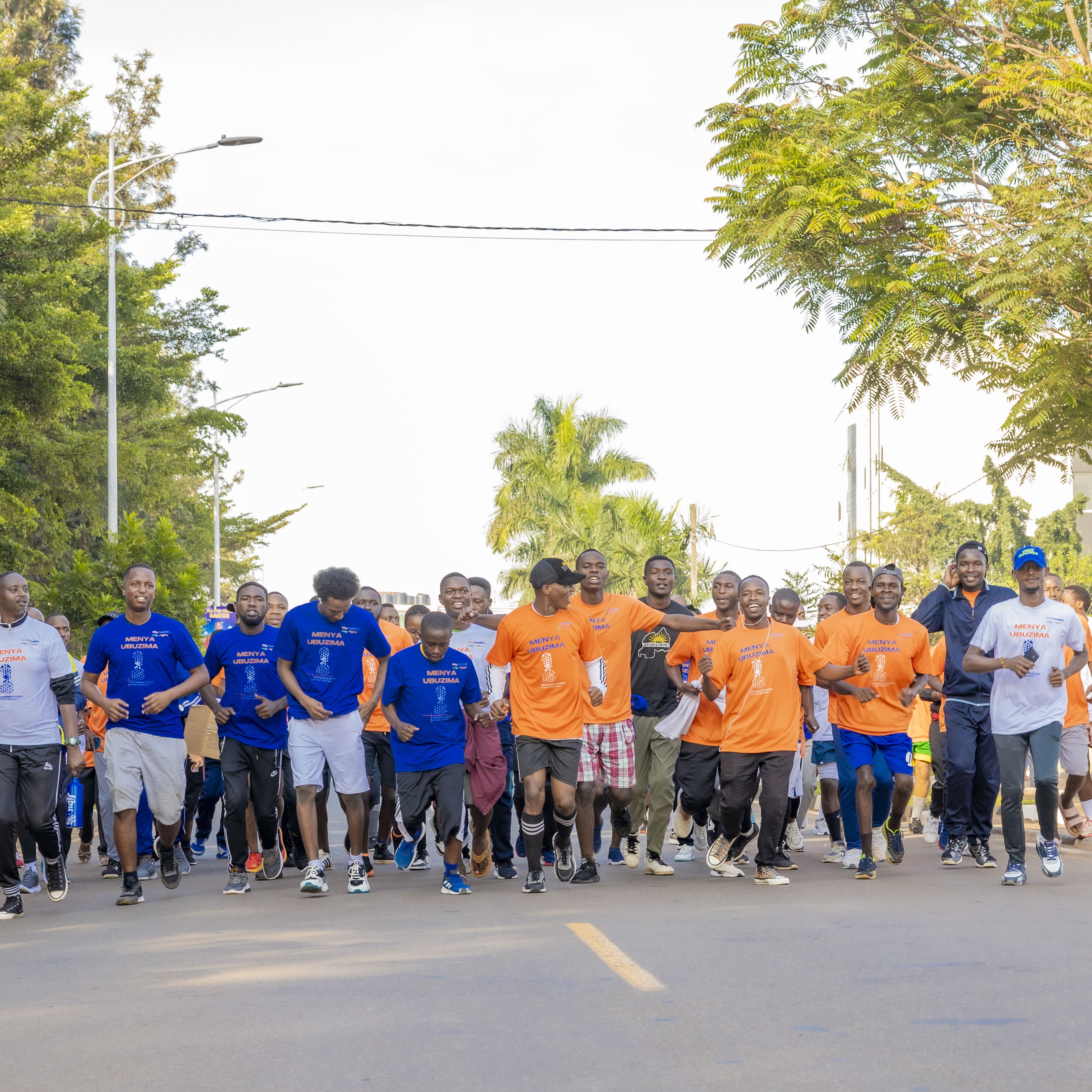
Steps of Solidarity: How Walkathons Are Powering Refugee Resilience Worldwide
In cities across Europe and the Middle East, walkathons are evolving from mere fundraising events into powerful acts of solidarity. Behind every step walked in these campaigns lies a deeper mission: helping displaced families reclaim dignity, rebuild lives, and restore hope.
From Athens to Amman, humanitarian organizations are teaming up with citizens, runners, and refugees themselves to raise awareness and critical funds through public walking events. These aren’t just charity strolls, they are statements of belonging
NGOs Leading the Way
Walkathons for refugees are often organized through partnerships between international aid groups and local civil society organizations. Initiatives like Choose Love, UNHCR, and Refugee Walk Belgium are leading the charge, turning every kilometer into cash for medical care, education, legal support, and shelter.
One of the most impactful examples is the Refugee Walk in Belgium, where participants walk 40 km in solidarity with displaced people. The event, powered by NGO Vluchtelingenwerk Vlaanderen, has raised over €1.7 million since its inception. Participants are encouraged to fundraise through personalized digital platforms and share their journey online.
Stories from the Ground: Europe and the Middle East
In Greece, solidarity walks in Athens and Lesbos are often organized by refugee support NGOs like Refugee Support Aegean (RSA), uniting locals and migrants in community action. Walkathons in parks and coastal trails draw attention to the long, often perilous journeys that refugees have taken.
In Jordan, the Run for Refugees organized by UNHCR brings together Jordanian citizens and Syrian refugees in Amman’s major parks and campuses. These events raise awareness, but also foster unity and shared experience.
In Germany, many local municipalities have embraced walkathons as part of their integration programs, where schoolchildren walk in solidarity with newcomer families, raising donations for language training or school supplies.
Healing Through Movement
For many refugees themselves, walking isn’t symbolic, it was survival. Some endured hundreds of kilometers of migration on foot. For them, participating in walkathons can also be an act of healing and reclaiming agency.
Organizations such as The Running Charity in the UK use structured running and walking programs to support young refugees’ mental health and social reintegration. It’s more than just fitness—it’s therapy.
Why Walkathons Work
The power of walkathons lies in their accessibility and visibility:
- Anyone can join, regardless of fitness level.
- Symbolic value: Walking mirrors the refugee journey—step by step, facing hardship.
- Social engagement: Walking together fosters empathy and human connection.
- Fundraising efficiency: Digital apps make it easy to track steps and collect donations globally.
A report by Charity Digital noted that cause-driven physical challenges like walkathons have a 55% higher donation engagement rate than traditional one-time appeals.
Final Thoughts
As millions remain uprooted by war, persecution, and climate crisis, walkathons offer a deeply human response: step forward, stand beside, and move together.
Walking may seem simple, but in the right context, it becomes an act of powerful empathy a way to turn motion into meaning, and footsteps into futures
