
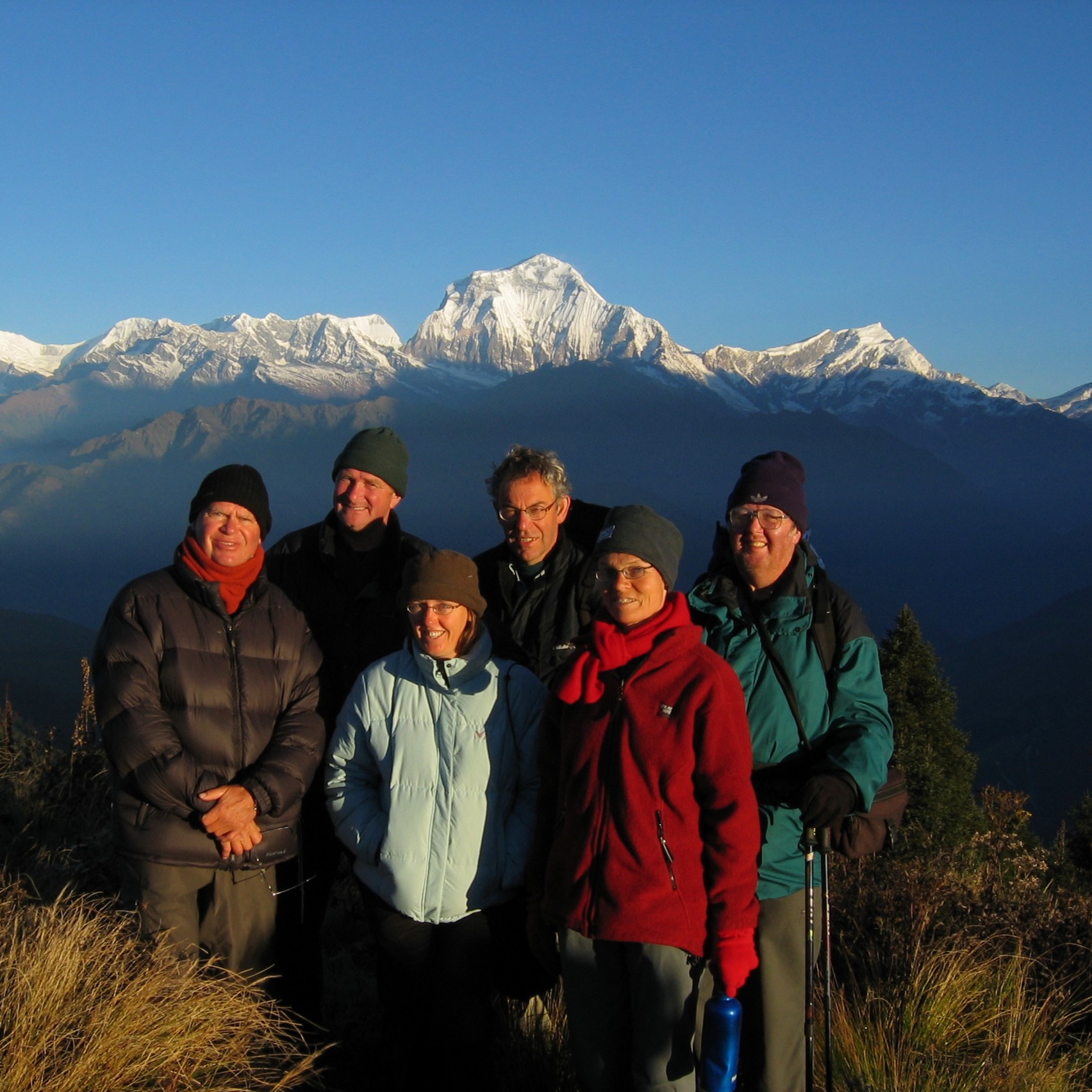
The Annapurna Base Camp Trail in Winter vs. Spring: A Trekker's Dilemma
The Annapurna Base Camp (ABC) Trek is one of Nepal’s most iconic trekking routes, drawing adventurers with its towering peaks, alpine meadows, and culturally rich villages. But if you’re planning a trek, one question often comes up: should you go in winter or spring? Both seasons offer unique experiences and understanding the contrasts can make or break your journey.
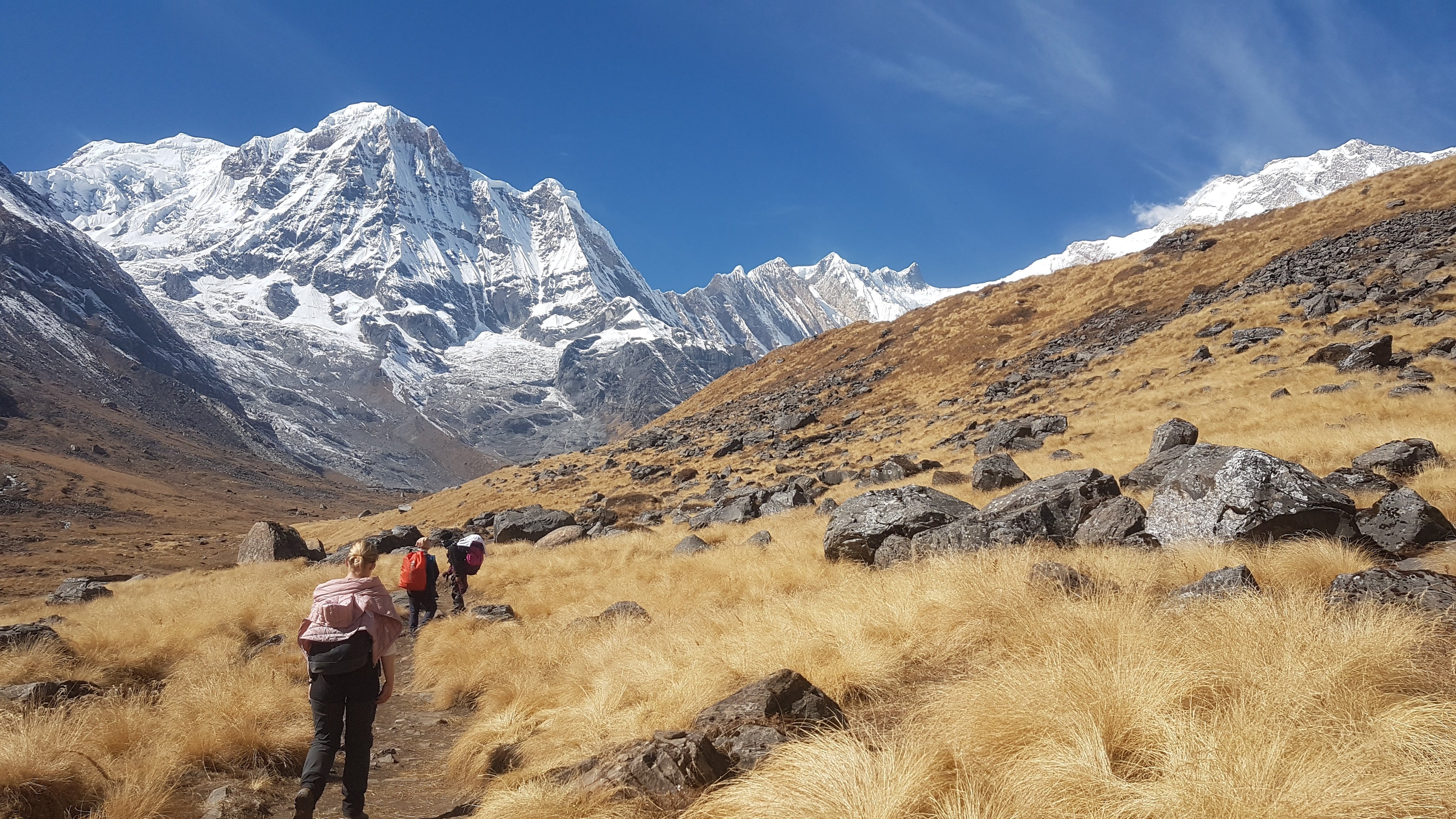
Winter Trekking on the ABC Trail (December – February)
Winter in the Annapurna region is a quiet, serene, and snowy wonderland. Here’s what you can expect:
Pros of Winter Trekking
- Fewer Crowds: The trails are far less busy compared to spring, offering a more solitary, immersive experience.
- Crisp, Clear Views: Cold winter air often produces crystal-clear panoramic views of Annapurna I (8,091m), Machhapuchhre (6,993m), and Dhaulagiri (8,167m).
- Snow-Capped Beauty: The rhododendron forests and terraced hills are blanketed in snow, giving a magical feel to the trek.
- Photography Opportunities: Winter skies are often clear, making it a perfect season for sunrise and sunset shots.
Challenges of Winter Trekking
- Cold Temperatures: Daytime highs can be around 0–10°C (32–50°F), while nights drop to -10°C to -15°C (14–5°F) in higher camps like ABC (4,130m).
- Limited Facilities: Some teahouses may remain closed, and you may need extra layers, sleeping bags, and sometimes even winter boots.
- Trail Conditions: Snow and ice can make the trail slippery and demanding, requiring proper gear and trekking experience.
Spring Trekking on the ABC Trail (March – May)
Spring is arguably the most popular season for the ABC Trek, and for good reason.
Pros of Spring Trekking
- Blooming Rhododendrons: The forests come alive with vivid red, pink, and white flowers, creating a picture-perfect trek.
- Moderate Weather: Daytime temperatures range from 15–22°C (59–72°F) in lower elevations, with cooler nights, making trekking comfortable for most trekkers.
- Accessibility: Almost all teahouses are open, providing a full range of meals, rooms, and support services.
- Vibrant Atmosphere: The trails are busier, but this adds to the lively cultural exchange with fellow trekkers and local communities.
Challenges of Spring Trekking
- Crowded Trails: Popular viewpoints like Poon Hill and villages like Ghandruk can be busy, reducing solitude.
Dust and Pollution: Increased traffic may cause minor dust or litter issues, though the pristine Himalayan environment remains largely untouched. - Higher Costs: Peak-season pricing for guides, porters, and teahouse stays may be higher.
Key Comparisons: Winter vs Spring
Tips for Choosing the Best Season
- If you crave solitude and winter landscapes, December to February is perfect—but come prepared with warm clothing, trekking boots, and possibly crampons.
- If you want comfort, color, and cultural vibrancy, March to May is unbeatable, especially for first-time trekkers.
- Fitness & Preparation: Both seasons require moderate fitness; winter adds the challenge of cold-weather trekking.
Final Thoughts
There’s no wrong choice when trekking the Annapurna Base Camp trail. Winter offers peace, pristine snow, and solitude, while spring bursts with life, flowers, and camaraderie. Whether you’re chasing sunrise views from Poon Hill, photographing Annapurna’s majestic peaks, or connecting with local Gurung communities, both seasons promise unforgettable Himalayan experiences.
Ultimately, the choice comes down to your priorities: serenity vs. vibrancy, snow vs. blooms, solitude vs. company.
