
The Complete Guide to Nepal Trekking Permits: Fees, Views, and Regional Highlights
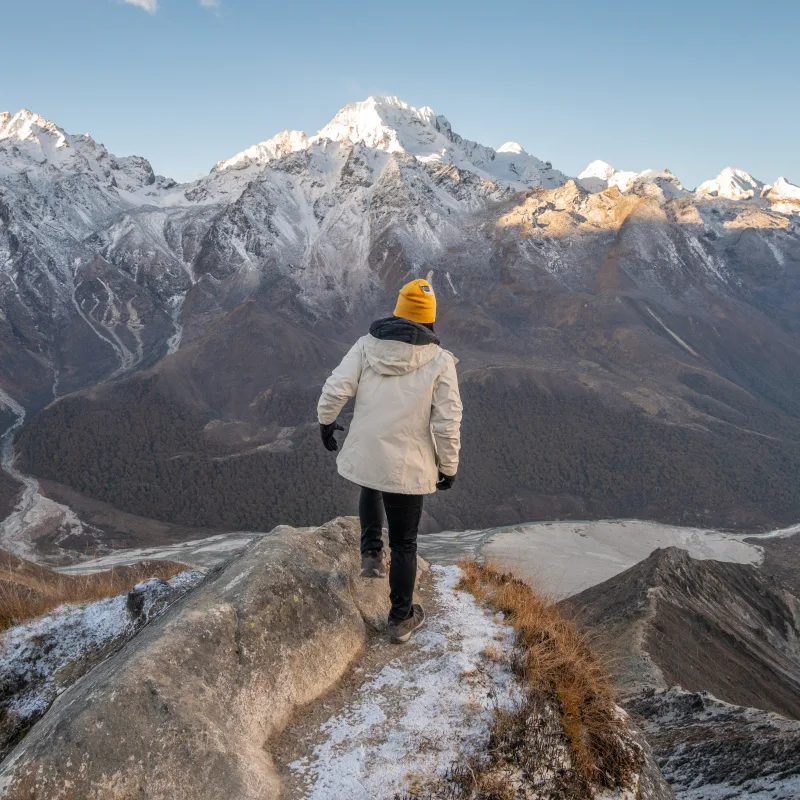
Nepal's wide array of trekking regions offer some of the world's most spectacular mountain adventures. The iconic Everest Base Camp is known by many if not all but Nepal also consists of many hidden valleys that few outsiders have ever explored. However, many of these pristine areas require special permits, and understanding the fee structure can be crucial for planning your Himalayan adventure. This comprehensive guide breaks down the permit requirements for each trekking region while highlighting what makes each destination unique.
Understanding Restricted Area Permits (RAP)
- Mandatory Permits: Restricted Area Permits are required for certain regions and must be obtained through a registered trekking agency.
- Group Requirement: Solo trekking is not allowed in these areas; a minimum of two trekkers accompanied by a licensed guide is mandatory.
- Additional Fees: These permits are separate from other fees like the TIMS card and national park entry fees.
- Purpose: The restrictions aim to protect sensitive environments and cultures, ensuring sustainable tourism.
Upper Mustang Region
Permit Requirements: USD 500 per person for the first 10 days, plus USD 50 per person per day for extended stays. This is a flat rate whether you trek for 2 days or the full 10, and permits are only issued for organized group treks with licensed guides.
Upper Mustang stands as one of Nepal's most extraordinary destinations, often called "The Forbidden Kingdom." This restricted area near the Tibetan border preserves ancient Tibetan Buddhist culture in ways that feel almost frozen in time. The former Kingdom of Lo, with its capital at Lo Manthang, offers trekkers a journey through high-altitude desert-like arid landscapes that seem more Mongolian than Nepalese.
What Makes It Special: Upper Mustang is renowned for its ancient cave structure carved into cliff faces, medieval walled cities, landscape and authentic Tibetan culture. The region features dramatic red and ochre cliffs, hoodoos, ancient trade routes, and some of the world's best-preserved Tibetan Buddhist art and architecture.
Mountain Views: While not dominated by mountain peaks, trekkers enjoy views of Nilgiri, Annapurna I, and Dhaulagiri ranges. The stark beauty lies in the high-altitude desert landscape and the dramatic geological formations of the trans-Himalayan region.
Trek Highlights: Exploring the walled city of Lo Manthang, visiting ancient monasteries like Jampa Lhakhang and Thubchen Gompa, witnessing traditional sky burials sites, and experiencing authentic Tibetan culture that has remained largely unchanged for centuries.
Upper Dolpo Region
Permit Requirements: USD 500 per person for the first 10 days, then USD 50 per person per day thereafter. This covers Dolpo Buddha, Shey Phoksundo, and Chharka Tangsong rural municipalities.
Upper Dolpo represents one of Nepal's most remote and pristine wilderness areas, where ancient Bon religion and Tibetan Buddhism coexist in spectacular high-altitude settings. This region inspired Peter Matthiessen's classic "The Snow Leopard" and continues to offer some of the most challenging and rewarding trekking experiences in the Himalayas.
What Makes It Special: Upper Dolpo is famous for its pristine wilderness, ancient Bon monasteries, and the stunning turquoise Phoksundo Lake. The region offers unparalleled opportunities to spot rare wildlife including snow leopards, blue sheep, and Tibetan wolves.
Mountain Views: The region provides spectacular views of the Crystal Mountain (considered sacred by local Bon practitioners), Kanjiroba (6,883m), and distant peaks of the Dhaulagiri range. The landscape is characterized by high-altitude plateaus and dramatic gorges.
Trek Highlights: Visiting Shey Gompa monastery, witnessing the sacred Crystal Mountain circumambulation, experiencing authentic Bon culture, potential wildlife sightings, and crossing high-altitude passes over 5,000 meters with breathtaking panoramic views.
Gorkha Manaslu Area
Permit Requirements: USD 75 per person per week (December-August) with additional USD 10 per person per day for extended stays & USD 100 per person per week (September-November), with additional USD 15 per person per day for extended stays.
The Manaslu region offers one of Nepal's best-preserved trails, combining spectacular mountain scenery with rich cultural diversity. Named "Mountain of Spirits" in Sanskrit, Manaslu (8,163m) is Nepal's eighth-highest peak and the centerpiece of this remarkable conservation area.
What Makes It Special: The Manaslu region is celebrated for its incredible biodiversity, ranging from subtropical forests to alpine meadows. It offers authentic cultural experiences with Gurung and Indo-Aryan communities while providing challenging high-altitude trekking.
Mountain Views: Trekkers enjoy spectacular views of Manaslu (8,163m), Himlung Himal, Cheo Himal, and other lesser known peaks. The trek offers some of the most dramatic mountain panoramas in Nepal.
Trek Highlights: Crossing the challenging Larkya La Pass (5,106m), experiencing diverse ecosystems, visiting ancient monasteries, interacting with locals, and enjoying less crowded trails compared to other major circuits.
Humla Region
Permit Requirements: USD 50 per person per week, with USD 10 per person per day for extended stays. This covers Simkot, Namkha, and Chankheli rural municipalities.
Located in far-western Nepal, Humla serves as the traditional gateway to Mount Kailash in Tibet and offers some of Nepal's most remote and culturally rich trekking experience in Limi Valley Trek. This region maintains strong Tibetan Buddhist traditions and provides access to pristine high-altitude valleys.
What Makes It Special: Humla is renowned for its ancient trade routes, authentic Tibetan Buddhist culture, and serving as a pilgrimage route to Mount Kailash. Humla region offers pristine wilderness and traditional communities largely untouched by modern development.
Mountain Views: The region provides views of Api (7,132m), Saipal (7,031m), and distant peaks of the Tibet Himalayas. The landscape features high-altitude valleys, alpine meadows, and dramatic river gorges.
Trek Highlights: Visiting Rinchenling Gompa, experiencing traditional Tibetan villages, crossing ancient trade routes, witnessing yak caravans, and enjoying some of Nepal's most untouched wilderness areas.
Taplejung Region
Permit Requirements: USD 20 per person per week for the first four weeks, then USD 25 per person per week for extended stays. This covers Phak Tanglung and Mikwakhola rural municipalities.
The Taplejung region in eastern Nepal provides access to Mount Kanchenjunga, the world's third-highest mountain and offers some of the most diverse and spectacular trekking in the country. The Kanchenjunga Conservation Area boasts incredible biodiversity and traditional mountain culture, especially of Rai people.
What Makes It Special: This region is famous for its incredible mountain views, diverse flora and fauna, and authentic Limbu and Sherpa cultures. The area offers some of Nepal's most challenging and rewarding high-altitude trekking.
Mountain Views: Spectacular views of Kanchenjunga (8,586m), Jannu, Kabru, and the eastern Himalayan peaks. The region offers both north and south base camp perspectives of the world's third-highest mountain.
Trek Highlights: Reaching both Kanchenjunga Base Camps, crossing high-altitude passes, experiencing diverse ecosystems from subtropical forests to glacial moraines, visiting traditional villages, and witnessing world’s most beautiful rhododendron forests in spring.
Lower Dolpo Area
Permit Requirements: USD 20 per person per week and USD 5 per person per day for extended stays. This covers Thuli Bheri, Tripurasundari, Dolpo Buddha, Jagadulla, and Kaike rural municipalities.
Lower Dolpo serves as the gateway to the greater Dolpo region and offers more accessible trekking while still providing dramatic landscapes and authentic cultural experiences. The area includes the famous Phoksundo Lake region and ancient Bon culture.
What Makes It Special: Lower Dolpo is renowned for the stunning azure Phoksundo Lake, ancient Bon monasteries, and culture. The region inspired the film "Caravan" and offers glimpses into one of the world's oldest religions.
Mountain Views: Views include peaks of the Dhaulagiri range, Kanjiroba Himal, and the dramatic cliffs surrounding Phoksundo Lake. The landscape features deep gorges, high plateaus, and colorful rock formations.
Trek Highlights: Visiting Nepal's deepest lake (Phoksundo), exploring Ringmo village, experiencing ancient Bon culture, visiting Shey Gompa, and trekking through diverse landscapes from forests to high-altitude desert.
Dolakha Region
Permit Requirements: USD 20 per person per week and USD 10 per person per day for extended stays (September-November season). This covers Gaurishankar and Bigu rural municipalities.
The Dolakha region offers excellent trekking opportunities in the shadow of sacred Gaurishankar mountain, providing alternatives to the crowded Everest region while maintaining spectacular mountain views and authentic Sherpa culture.
What Makes It Special: This region is famous for its mountains, dense alpine forests, and traditional Sherpa and Tamang villages. It offers excellent trekking routes with fewer crowds than the Everest region.
Mountain Views: Spectacular views of Gaurishankar (7,134m), Melungtse, and distant views of Everest, Cho Oyu, and other 8,000-meter peaks. The region offers extraordinary glacier views and high-altitude lake systems.
Trek Highlights: Visiting sacred Gaurishankar, experiencing traditional Sherpa culture, crossing challenging high-altitude passes, exploring valleys, and enjoying less crowded alternatives to Everest region treks.
Gorkha Tsum Valley Area
Permit Requirements: USD 40 per person per week (September-November) or USD 30 per person per week (December-August), with USD 7 per person per day for extended stays beyond a week.
The mystical Tsum Valley, known as the "Hidden Valley," offers one of Nepal's most unique cultural experiences. Tsum Valley has preserved ancient Tibetan Buddhist traditions in isolation for centuries which has created a living museum of Himalayan culture.
What Makes It Special: Tsum Valley is renowned as a sacred Buddhist pilgrimage site, featuring ancient monasteries, architecture, and a culture that has remained largely unchanged for centuries. The valley was historically a restricted area, preserving its authentic character.
Mountain Views: Views include Ganesh Himal, Himal Chuli, Boudha Himal, and peaks of the Manaslu range. The valley is surrounded by humungous peaks creating a dramatic amphitheater setting.
Trek Highlights: Visiting ancient monasteries like Mu Gompa and Rachen Gompa, experiencing authentic Tibetan Buddhist culture, meeting traditional communities practicing polyandry, and exploring tons of pilgrimage sites.
Sankhuwasabha Region
Permit Requirements: USD 20 per person per week for the first four weeks, then USD 25 per person per week for extended stays beyond the first four weeks. This covers Silichong and Makalu rural municipalities.
The Sankhuwasabha region provides access to Makalu, the world's fifth-highest mountain, and offers some of Nepal's most challenging and rewarding high-altitude trekking through untouched wilderness.
What Makes It Special: This region is famous for its incredible biodiversity, from subtropical forests to high-altitude glacial environments. The Makalu-Barun National Park protects elusive wildlife and ecosystems.
Mountain Views: Spectacular views of Makalu (8,485m), Everest, Lhotse, Chamlang, and Baruntse. Take my word for it, Makalu region offers some of the most beautiful and raw mountain scenery in the whole Himalayan Range.
Trek Highlights: Reaching Makalu Base Camp, crossing high-altitude passes, experiencing incredible biodiversity, spotting rare wildlife including red pandas and snow leopards, and trekking through pristine wilderness areas.
Solukhumbu Region
Permit Requirements: USD 20 per person per week for the first four weeks, then USD 25 per person per week for extended stays beyond the first four weeks. This covers Khumbu Pasang Lhamu Rural Municipality.
The Solukhumbu region needs little to no introduction as home to Mount Everest and the world's most famous trekking route. Despite its popularity, the region continues to offer incredible mountain experiences and close to authentic Sherpa culture even though it is heavily commercialized.
What Makes It Special: This region is world-renowned for Mount Everest, rich Sherpa culture, ancient monasteries, and dramatic high-altitude landscapes. It offers the most developed trekking infrastructure in Nepal.
Mountain Views: Unparalleled views of Everest (8,848.86m), Lhotse, Nuptse, Ama Dablam, Cho Oyu, and numerous other 6,000 and 7,000-meter peaks. The region offers one of the world's most spectacular if not the most spectacular mountain panoramas.
Trek Highlights: Reaching Everest Base Camp, visiting Tengboche Monastery, experiencing Sherpa culture throughout the trek, residing in Namche Bazaar, crossing high-altitude passes, and enjoying world-class mountain experiences while soaking in the views from multiple viewpoints.
Rasuwa Region
Permit Requirements: USD 20 per person per week with USD 5 per person per day for extended stays after the first week. This covers Gosainkunda Rural Municipality.
Located north of Kathmandu, the Rasuwa region offers easily accessible high-altitude trekking to sacred lakes and through the beautiful Langtang Valley, combining Hindu pilgrimage sites with Tibetan Buddhist culture.
What Makes It Special: This region is famous for sacred Gosainkunda lakes, Langtang Valley trek, diverse ecosystems from subtropical to alpine forests, traditional Tamang culture and Hyolmo community. It offers excellent trekking close to Kathmandu.
Mountain Views: Spectacular views of Langtang Lirung (7,227m), Ganesh Himal, Dorje Lakpa, and Tibetan peaks. The region offers dramatic valley views and high-altitude lake settings.
Trek Highlights: Visiting sacred Gosainkunda lakes, experiencing traditional Tamang villages, exploring Langtang National Park, witnessing post 2015 earthquake recovery, and enjoying diverse landscapes from forests to high-altitude environments.
Manang Region
Permit Requirements: USD 100 per person per week (September-November) or USD 75 per person per week (December-August), with USD 15 per person per day for extended stays.
The Manang region forms the heart of the Annapurna Circuit, offering some of Nepal's most diverse and spectacular trekking through varied landscapes and cultures, culminating in the challenging Thorong La Pass crossing.
What Makes It Special: Manang is renowned for its incredible landscape diversity, from subtropical forests to arid highlands, ancient Buddhist monasteries, and traditional Tibetan culture mixed with Hindu influences.
Mountain Views: Spectacular views of the Annapurna Range that includes, Annapurna II, III, and IV, Gangapurna, Tilicho Peak, and Chulu peaks. The region offers dramatic contrasts between verdant valleys and desert landscapes.
Trek Highlights: Crossing the challenging Thorong La Pass (5,416m), visiting ancient monasteries in Manang village, and exploring Tilicho Lake, one of the highest lakes in the world, are some of the highlights. You'll also experience diverse ecosystems and the dramatic transition from lush zone to trans-Himalayan landscapes.
Bajhang Region
Permit Requirements: USD 90 per person per week for the first week, then USD 15 per person per day for extended stays. This covers Saipal Rural Municipality.
Located in far-western Nepal, Bajhang offers trekking trails in one of Nepal's most remote regions, providing opportunities for off-the-beaten-path adventures and authentic cultural experiences.
What Makes It Special: Bajhang is famous for unspoiled mountain landscapes, traditional communities largely untouched by tourism, and opportunities for true wilderness trekking experiences.
Mountain Views: Views of Saipal (7,031m), Api (7,132m), and the far western Himalayan ranges. The region offers beautiful mountain landscapes and extraordinary valley systems.
Trek Highlights: Reaching Saipal Base Camp, experiencing authentic far-western Nepalese culture, trekking through wilderness, spotting rare wildlife, and enjoying complete solitude in spectacular mountain settings.
Mugu Region
Permit Requirements: USD 100 per person per week and USD 15 per person per day for extended stays. This covers Mugam Karmarong Rural Municipality.
Mugu represents one of Nepal's most isolated regions, it also borders Rara Lake which falls under Rara National Park. Trekking close to nature and experiencing authentic Buddhist culture in scenic settings largely untouched by outside influence makes Mugu a must visit trekking region.
What Makes It Special: Mugu is renowned for its complete isolation, pristine wilderness, traditional Tibetan Buddhist culture, and opportunities to experience Nepal as it existed centuries ago.
Mountain Views: Remote peaks of the far western Himalayas.
Trek Highlights: Experiencing complete isolation, authentic Tibetan Buddhist culture, wilderness trekking, traditional villages unchanged by modernization, and access to some of Nepal's most remote and beautiful landscapes.
Darchula Region
Permit Requirements: USD 90 per person per week for the first week, then USD 15 per person per day for extended stays. This covers Vyas Rural Municipality.
Darchula, in Nepal's far-western corner, offers access to the Api-Nampa Conservation Area and represents the ultimate frontier trekking experience with challenging high-altitude routes and pristine mountain environments.
What Makes It Special: Darchula is famous for its challenging high-altitude trekking, mountain ecosystem, and authentic far-western Nepalese cultural heritage in one of the country's most remote districts.
Mountain Views: Spectacular views of Api (7,132m), Nampa (6,757m), and the dramatic far western Himalayan ranges. The region offers some of Nepal's most pristine and challenging mountain environments.
Trek Highlights: Reaching Api and Nampa Base Camps, experiencing far-western Nepalese culture, trekking through the Api-Nampa Conservation Area, enjoying complete backcountry solitude, and tackling some of Nepal's most challenging high-altitude routes.
Planning Your Permit Applications
When planning your Nepal trekking adventure, remember that these permits are in addition to the standard TIMS (Trekkers' Information Management System) card and national park entry fees that most treks require. The restricted area permits must be obtained through registered trekking agencies and often require a minimum group size and licensed guide.
The permit fees reflect each region's conservation needs, cultural sensitivity, and infrastructure development requirements. Higher fees in places like Upper Mustang and Upper Dolpo help limit visitor numbers while supporting local communities and conservation efforts.
Whether Everest Base Camp trek is your cup of tea or you want to venture into the remote backcountry of Upper Dolpo, every region has its own unique rewards for those who want to explore Nepal's mountain landscapes and its rich cultural heritage. Plan accordingly, respect local customs, and prepare for the adventure of a lifetime in the world's greatest mountain range.
