
The Culture of Climbing: Sherpa Life, Faith, and Himalayan Heritage
How Tradition, Spirituality, and Community Shape the World’s Greatest Mountain Guides
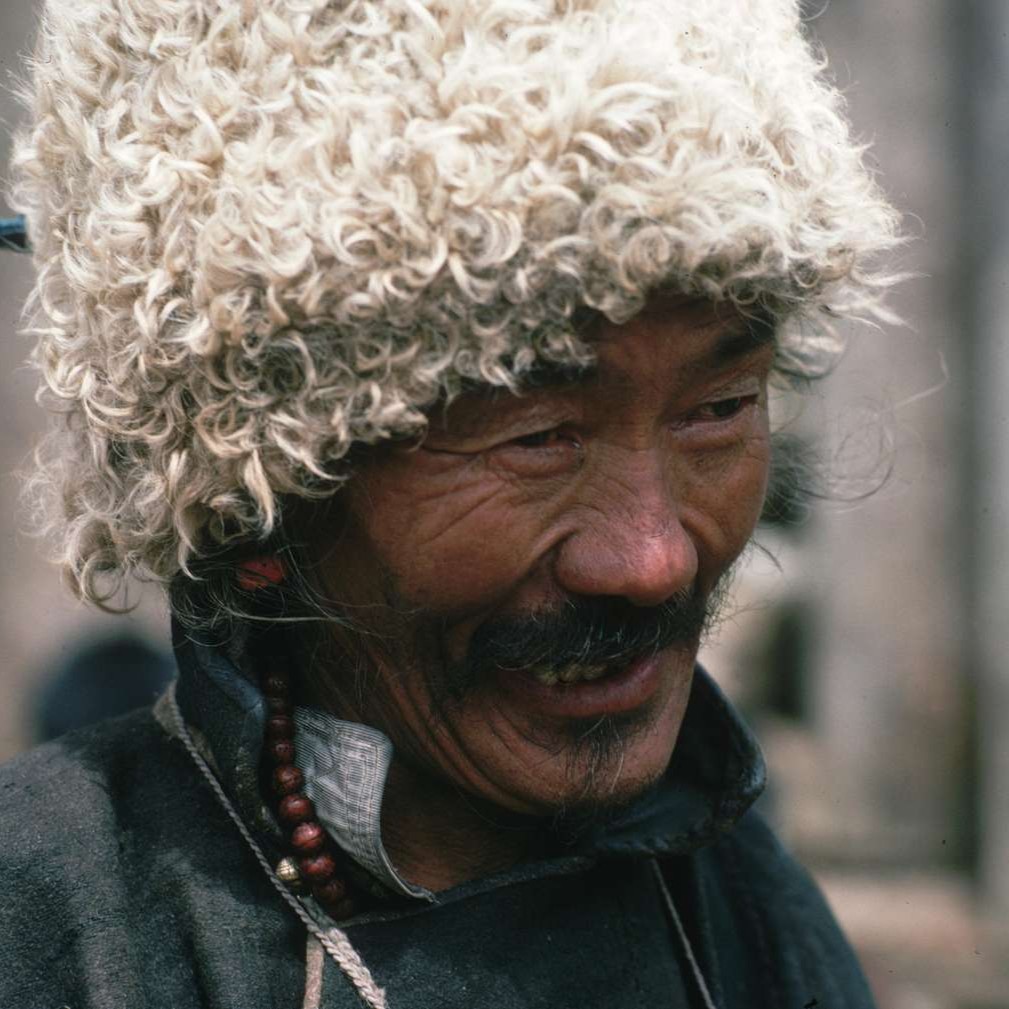
High in the Himalaya, beyond the jagged peaks and glacial expanses, lies a world shaped as much by culture as by altitude. The Sherpas, renowned globally for their mountaineering skills, carry not only climbers but centuries of tradition, faith, and heritage with every step.
Their prowess on the world’s tallest mountains is inseparable from their cultural identity. Understanding Sherpa culture is essential to appreciating how they navigate deadly terrain with unmatched skill, calmness, and resilience.

Life in the Shadows of Giants
Sherpa villages are nestled at altitudes ranging from 2,500 to 4,000 meters, often surrounded by towering peaks. Life here is both beautiful and demanding.
Daily routines revolve around:
- Farming barley, potatoes, and buckwheat
- Tending yaks and goats
- Maintaining homes and trails
- Supporting community needs
From a young age, Sherpas walk steep trails, carry loads, and acclimate naturally to thin air, blending physical conditioning with cultural education. This early exposure creates the foundation for their mountaineering skills.
Faith at the Heart of Every Journey
Sherpas follow Tibetan Buddhism, and spirituality permeates every aspect of their lives. Mountains are not just geological features they are sacred.
Key religious practices include:
- Prayer Flags: Hung along trails, villages, and camps to bless journeys and promote safety.
- Chortens and Mani Walls: Stupas and stone carvings remind travelers to respect the land.
- Ceremonies Before Expeditions: Rituals like pujas are performed to seek protection from mountain deities.
- Monastic Visits: Many Sherpas maintain close ties to monasteries for guidance and blessings.
This deep spirituality fosters courage, humility, and a profound respect for the mountains, giving Sherpas a mental edge in high-risk environments.
Cultural Values That Shape Mountaineering Expertise
Beyond faith, Sherpa culture instills traits that make them exceptional guides:
1. Community and Cooperation
Sherpa society emphasizes interdependence. Expeditions are not individual endeavors but collective efforts, where each member’s safety and success is a shared responsibility.
2. Patience and Perseverance
Mountain work requires measured pacing and strategic thinking. Sherpas naturally develop patience through daily life at high altitude, walking long distances and navigating unpredictable terrain.
3. Respect for Nature
The mountains are alive in Sherpa culture. Avalanches, crevasses, and storms are respected, not feared. This awareness allows them to predict and respond to hazards instinctively.
4. Storytelling and Oral Tradition
Knowledge about trails, weather, and survival is passed through generations orally. Sherpa guides grow up learning the nuances of every ridge, icefall, and pass from elders.
The Marriage of Tradition and Modern Mountaineering
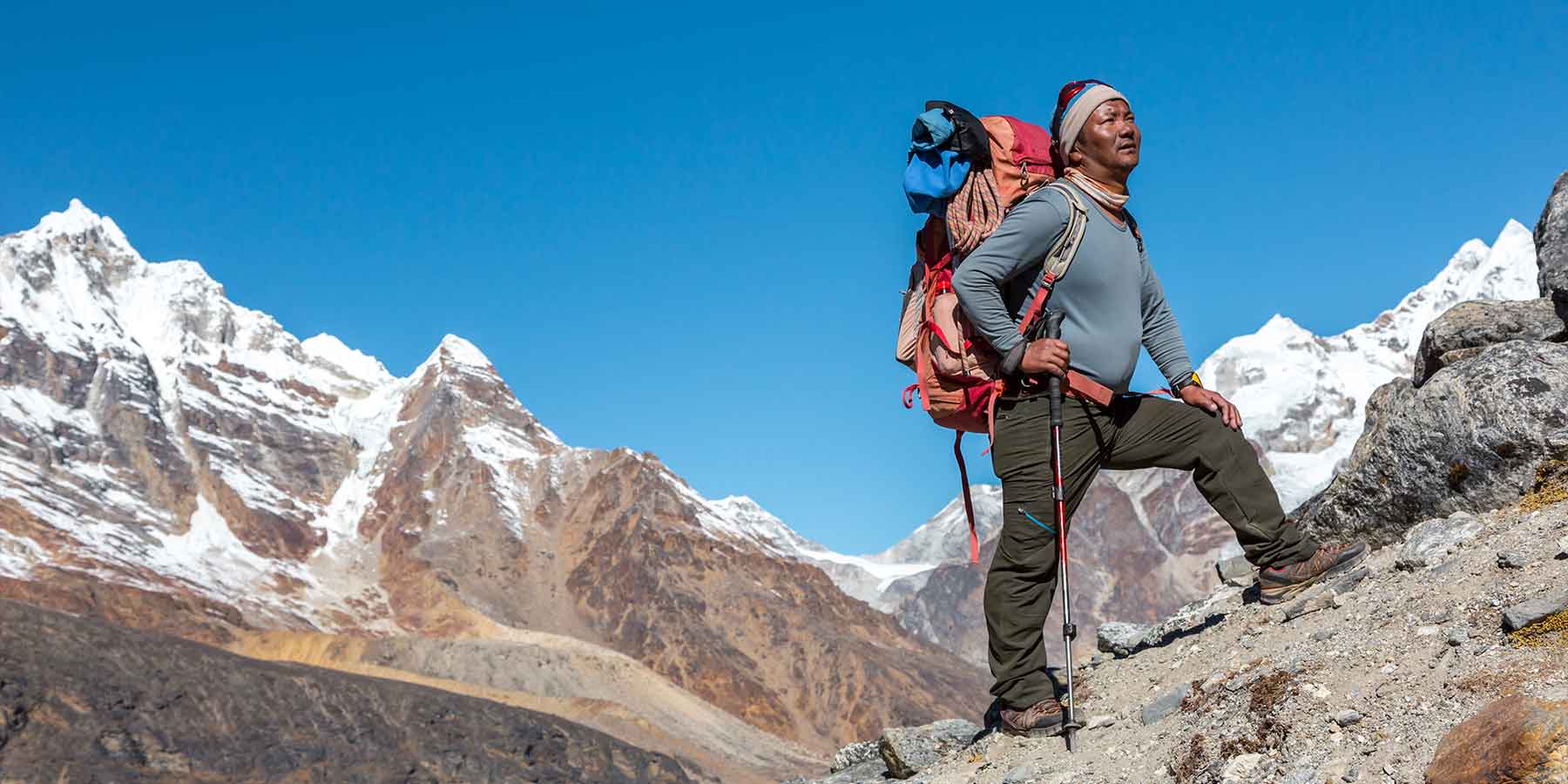
Today, Sherpas work alongside international climbers on Everest, Lhotse, Makalu, and beyond. Their cultural grounding enhances their professional skills:
- Rituals before climbs provide mental calm and confidence.
- Community-oriented values ensure teamwork and safety.
- Respect for nature drives sustainable climbing practices.
Sherpas don’t see mountains as obstacles; they are sacred partners in every expedition.
Cultural Celebrations That Reflect Mountain Heritage
- Losar (Tibetan New Year): Celebrated with prayer, feasts, and dance, symbolizing renewal and harmony.
- Saga Dawa: Commemorates the Buddha’s life, often involving pilgrimages in high-altitude regions.
- Mountaineering Festivals: Local gatherings celebrate climbing achievements and reinforce communal bonds.
These traditions reinforce mental resilience, gratitude, and cultural continuity all crucial for life in the Himalaya.
Lessons from Sherpa Culture for the World
Sherpa life teaches a philosophy that extends beyond mountains:
- Respect your environment: Live in harmony with nature.
- Value patience and preparation: Success comes from measured effort, not haste.
- Prioritize community and teamwork: Achievements are shared.
- Infuse purpose into action: Spirituality and meaning enhance focus and endurance.
The combination of faith, heritage, and mountain wisdom makes Sherpas not only exceptional climbers but cultural ambassadors of the Himalaya.
Final Reflection: More Than Guides Keepers of Himalayan Wisdom
When a Sherpa leads an expedition, they carry more than gear and rope. They carry:
- Generations of knowledge
- Sacred traditions
- Spiritual strength
- A profound connection to the mountains
Their culture transforms climbing from a physical challenge into a sacred journey, where every step honors history, faith, and Himalayan heritage.
In Sherpa life, mountaineering is not just a profession it is a cultural expression, a spiritual practice, and a way of life.
