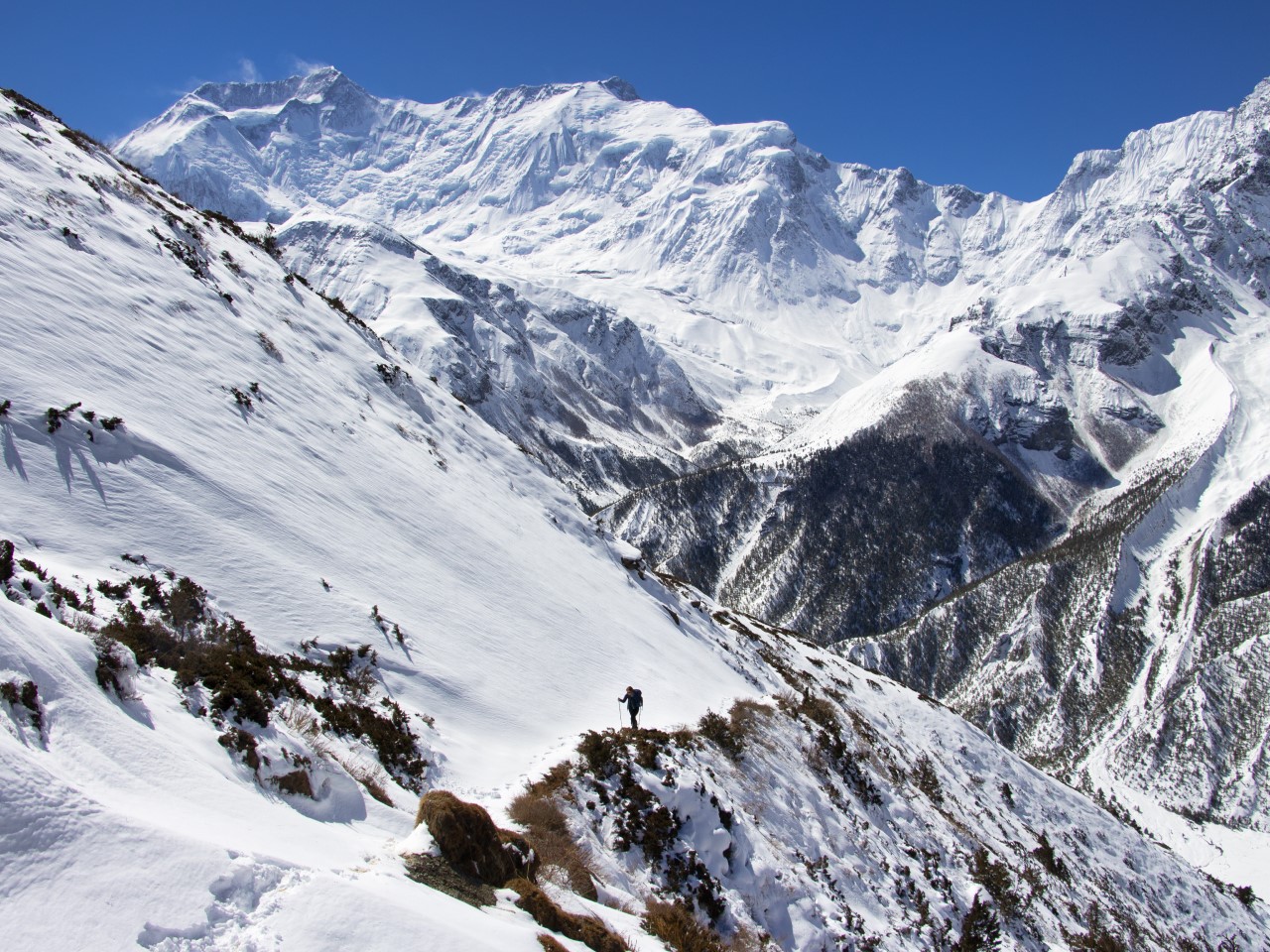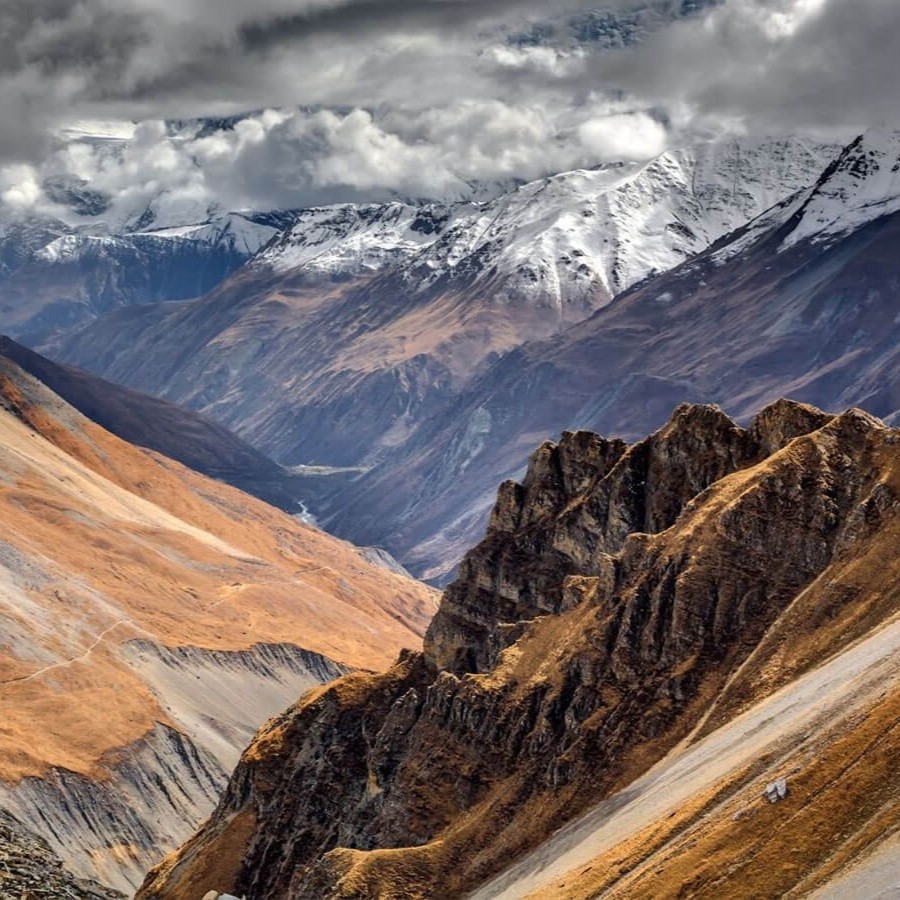
The Deadliest Pass? Surviving Thorong La in a Blizzard
At 5,416 meters, Thorong La Pass is not just the highest point of the Annapurna Circuit, it is its ultimate test. In clear weather, the crossing is demanding but achievable. In a blizzard, it becomes something else entirely: a battle against altitude, cold, wind, and time.
This is the story and the hard-earned lessons of what makes Thorong La one of the most dangerous trekking passes in Nepal when conditions turn hostile.
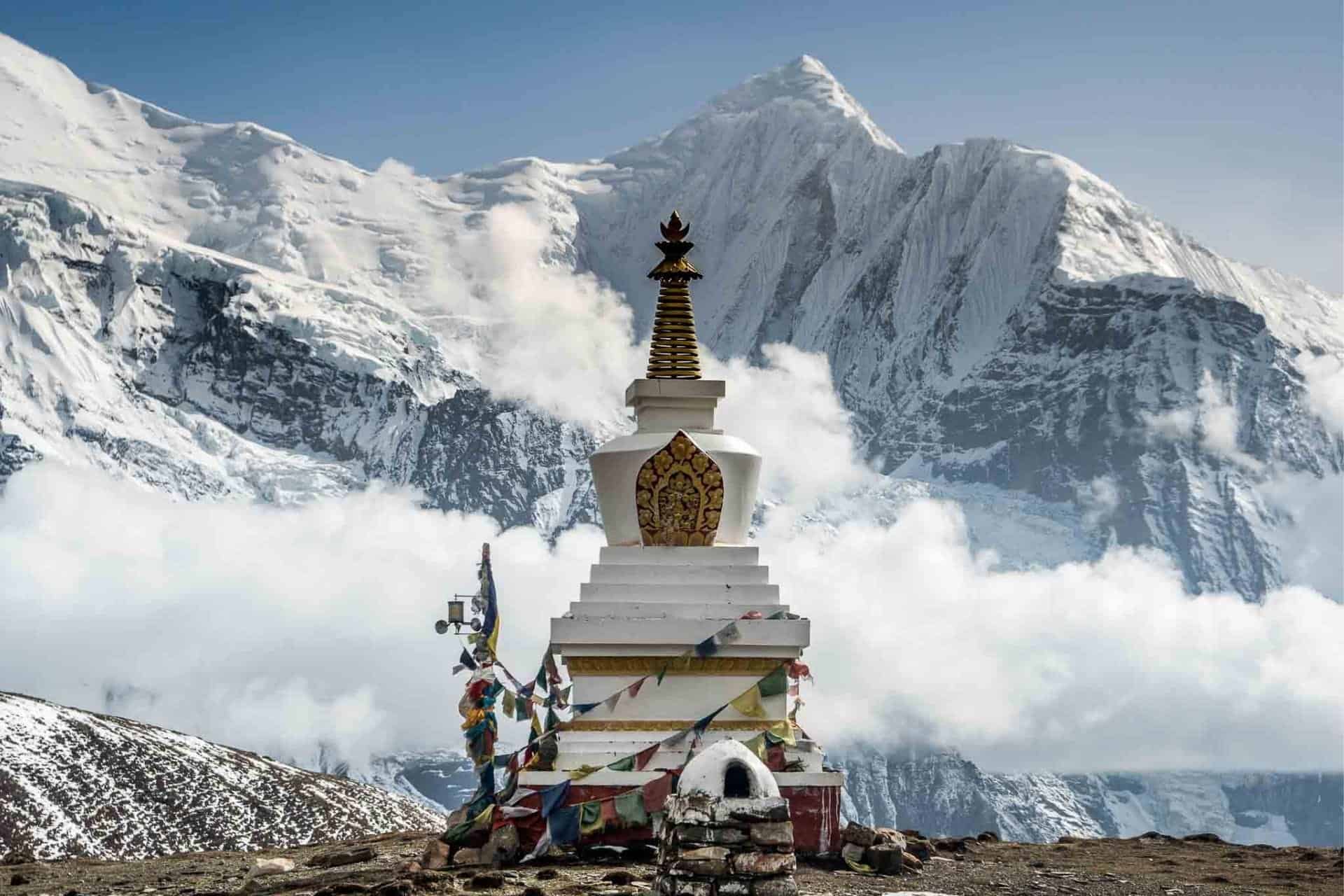
Why Thorong La Commands Respect
Thorong La sits on the legendary Annapurna Circuit, a route often described as one of the world’s greatest treks. Yet the pass itself is deceptively underestimated.
Unlike technical mountaineering routes, Thorong La requires no ropes or climbing skills. What it demands instead is endurance, judgment, and discipline especially when visibility collapses and temperatures plunge well below zero.
The danger does not come from steep drops alone, but from a lethal combination of:
- Extreme altitude
- Sudden weather shifts
- Long exposure above 5,000 meters
- Physical exhaustion
When the Weather Turns: Blizzard Conditions at 5,416m
A Thorong La blizzard is not merely heavy snowfall. It is a whiteout, where sky and ground merge into a single blank horizon. Trails disappear. Prayer flags vanish. Even footprints are erased within minutes.
In these conditions:
- Wind chill can push perceived temperatures below –25°C
- Progress slows to a crawl
- Decision-making becomes impaired by hypoxia
- Frostbite risk escalates rapidly
Trekkers who start late or underestimate the storm can find themselves trapped in the most exposed section of the pass, with no shelter and no margin for error.
The Silent Killer: Altitude + Cold
Altitude sickness is often discussed in terms of headaches and nausea. In blizzard conditions, its effects are far more insidious. Reduced oxygen combined with extreme cold leads to:
- Poor coordination
- Confusion and delayed reactions
- Inability to regulate body temperature
This is why Thorong La incidents often involve experienced trekkers, not beginners. Confidence becomes complacency, and the mountain punishes hesitation.
Timing Is Survival
Veteran guides agree on one rule above all others: start before dawn. Most safe crossings begin between 3:30 and 5:00 AM, when winds are typically calmer and snow conditions more stable.
In a blizzard scenario:
- Every hour of delay increases risk exponentially
- Turning back early can save lives
- Pushing on “just a little further” can be fatal
Thorong La does not reward stubbornness. It rewards respect.
Lessons Written in Snow
Over the years, storms at Thorong La have resulted in tragic outcomes trekkers caught between lodges, separated from groups, or unable to descend quickly enough. These incidents reshaped how the Annapurna Circuit is guided today.
Key takeaways from past blizzards include:
- Never cross without recent weather confirmation
- Always trek with a guide during shoulder seasons
- Carry emergency layers, even on “easy” trekking days
- Know when to retreat without ego
Survival often comes down to one decision made an hour earlier.
Preparation That Saves Lives
Thorong La is not about bravery, it is about preparation. Those who cross safely in extreme conditions share common traits:
- Conservative pacing and early starts
- Proper insulation and wind protection
- High-calorie nutrition and hydration
- Mental readiness to abandon the summit
The pass is not conquered. It is negotiated.
Is Thorong La Really the Deadliest Pass?
Labeling Thorong La as “the deadliest” is misleading but it is undeniably one of the most unforgiving when misjudged. In stable weather, it is a magnificent, demanding crossing. In a blizzard, it becomes a stark reminder that the Himalayas operate on their own terms.
The mountain does not care about itineraries, permits, or pride.
Final Thought: Respect Is the Real Survival Skill
Surviving Thorong La in a blizzard is not a tale of heroics, it is a lesson in humility. Those who make it across safely do so because they listen: to the weather, to their bodies, and to the mountain itself.
Thorong La teaches a simple truth that every Himalayan trekker must learn sooner or later:
The pass always decides.