
The Gurung Culture: Why Ghandruk is the Soul of Annapurna
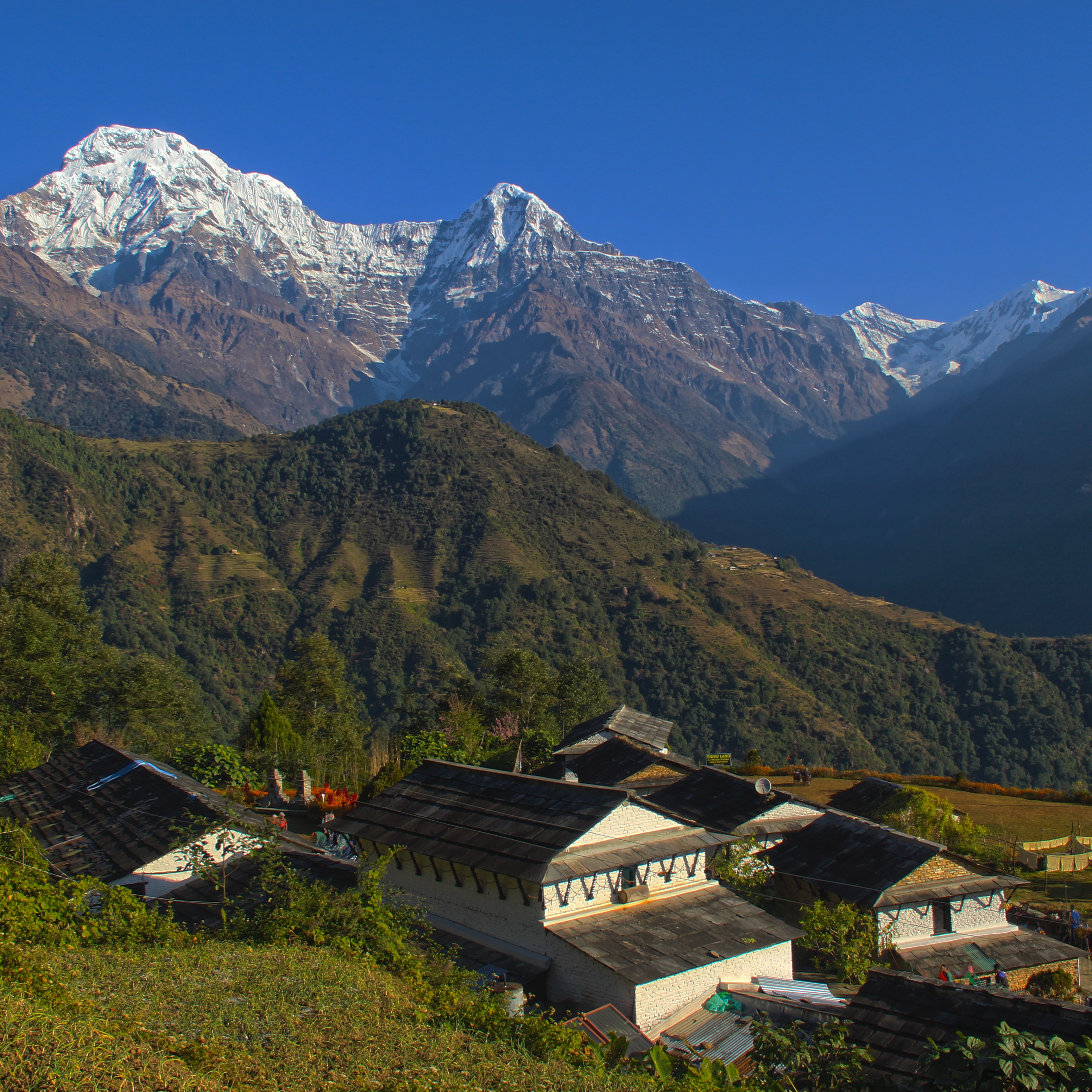
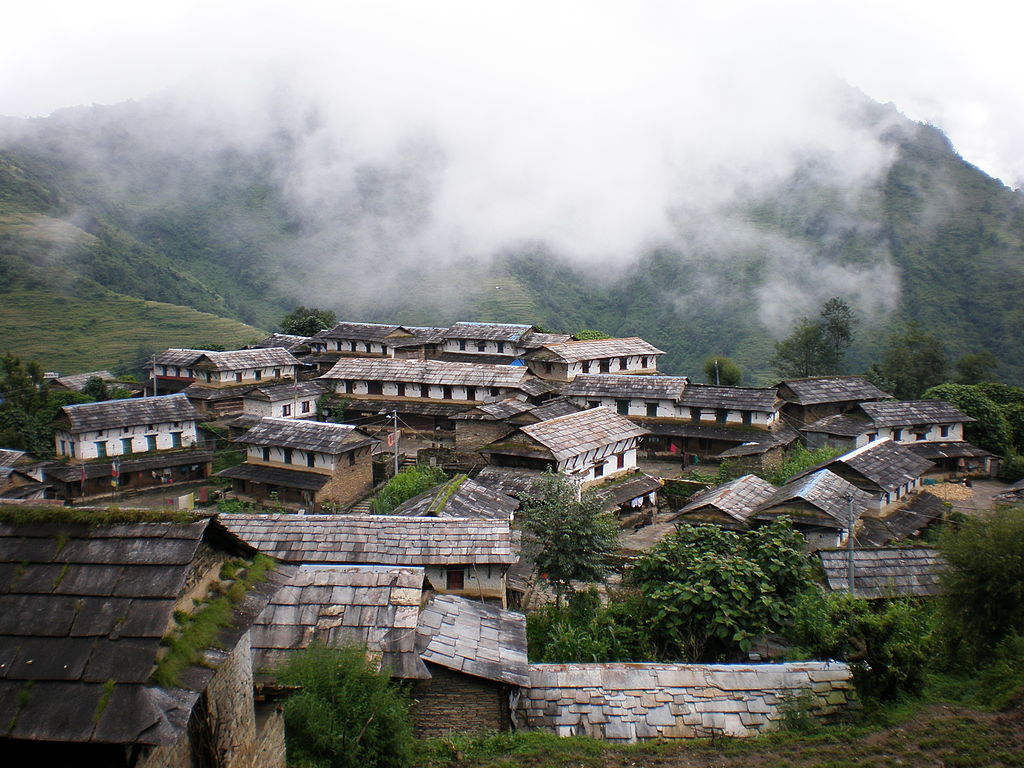
Nestled in the Annapurna region at 1,940 meters, Ghandruk is more than just a trekking stop; it's a vibrant living testament to Gurung culture, one of Nepal’s most fascinating ethnic traditions. Known for its stone houses, terraced fields, and panoramic mountain views, Ghandruk offers travelers a unique blend of natural beauty and cultural immersion. For those exploring Annapurna, this village is widely considered the cultural heart of the region.

1. A Hub of Gurung Heritage
The Gurung people have inhabited the Annapurna region for centuries. In Ghandruk, you can witness traditional lifestyles preserved across generations:
- Architecture: Stone houses with slate roofs, intricately carved wooden windows, and traditional courtyards.
- Festivals: Annual celebrations such as Tamu Lhosar (Gurung New Year) showcase music, dance, and ritual ceremonies.
- Community Life: Residents maintain a strong connection to land, livestock, and ancestral customs, giving visitors an authentic glimpse into rural Himalayan life.
Ghandruk’s cultural authenticity makes it a living museum of Gurung traditions, unlike more commercialized trekking villages.
2. Traditional Gurung Music and Dance
No visit to Ghandruk is complete without experiencing Gurung folk performances.
- Dancing: The Ghatu and Chudka dances depict stories from Gurung folklore, often performed during festivals and special occasions.
- Music: Traditional instruments such as the dhol (drum) and sarangi (string instrument) accompany dances and ceremonies.
These performances provide a deep connection to Gurung identity and are a highlight for travelers seeking cultural experiences.
3. Daily Life and Agrarian Traditions
Ghandruk is a working Himalayan village where daily life revolves around agriculture and animal husbandry:
- Terraced fields: Locals grow maize, millet, barley, and vegetables on steep mountain slopes.
- Livestock: Sheep, goats, and cows provide dairy and wool, forming the backbone of village livelihoods.
- Handicrafts: Residents produce woven textiles, wool garments, and handcrafted souvenirs for both domestic use and trekkers.
Observing this way of life offers travelers a hands-on understanding of Himalayan resilience and sustainability.
4. Spiritual and Community Life
Ghandruk’s Gurung culture is deeply rooted in spiritual practices and communal harmony:
- Monasteries and shrines: The village hosts Buddhist shrines alongside local animist traditions.
- Prayer flags and rituals: Colorful prayer flags flutter above stone paths, invoking blessings for travelers and residents alike.
- Community gatherings: Festivals and shared labor create a strong sense of belonging and cooperation among villagers.
These practices reflect a harmonious balance between nature, spirituality, and social cohesion.
5. Why Ghandruk is the Soul of Annapurna
- Cultural preservation: Unlike more commercialized trekking hubs, Ghandruk maintains authentic Gurung traditions.
- Scenic setting: Set against the Annapurna and Machapuchare peaks, it combines breathtaking landscapes with cultural immersion.
- Accessibility for trekkers: Easily reachable via Poon Hill or Ghorepani trails, making it a natural stop for exploration without losing authenticity.
For travelers seeking more than just mountain views, Ghandruk offers a window into the heart of Annapurna where culture, history, and natural beauty intertwine.
Conclusion
Ghandruk is not just a picturesque village; it is the living soul of the Annapurna region. From Gurung festivals and folk dances to traditional agriculture and spiritual practices, every corner of the village tells a story of resilience, harmony, and cultural pride. Visiting Ghandruk allows trekkers to connect deeply with the human and natural landscape of the Himalayas, making it an essential stop on any Annapurna adventure.
