
The Last Remaining Traditional Salt Route Villages in Nepal
Introduction: Walking the Trails of History
For centuries, salt was more than just a commodity in the Himalayas it was a currency of culture, survival, and connection. Before modern roads, salt caravans traveled hundreds of kilometers across mountains, rivers, and high passes, linking Nepal with Tibet, India, and the highlands beyond.
Today, most of these salt trade routes have vanished under modern infrastructure, yet a few remote Himalayan villages still preserve the traditions, architecture, and lifestyles of the ancient salt route era. Visiting these settlements is like stepping back in time, witnessing living history in the shadow of towering peaks.
These villages are more than stops on a trail—they are cultural treasures, where local communities maintain centuries-old rituals, festivals, and caravan practices that were once common across the region.
1. Tsum Valley – Nepal’s Hidden Salt Route Heritage
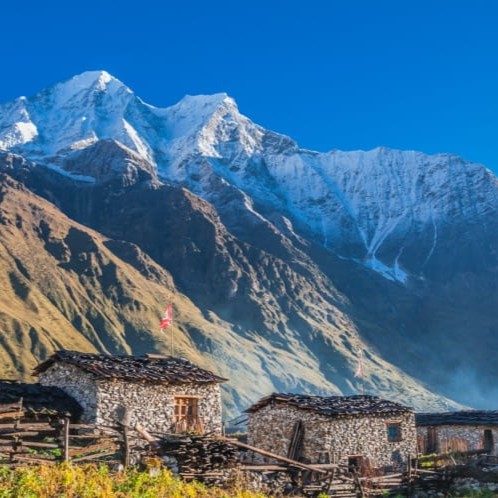
Tsum Valley, bordering Tibet, retains many traditions linked to Himalayan salt trade. While small and isolated, its villages show signs of centuries of trade caravans: stone-built houses, prayer flags, mani walls, and caravan tracks etched into the hills.
Highlights:
- Stone terraces and traditional Himalayan architecture
- Local festivals celebrating trade and harvest cycles
- Guided walks along ancient caravan paths
Why it’s special:
- Remote and rarely visited by tourists
- Deep cultural immersion with resident communities
- Ideal for trekking, photography, and ethnographic exploration

2. Limi Valley – Guardians of the Tibetan Salt Trade
Limi Valley is one of Nepal’s most secluded regions, where salt caravans historically crossed high passes to trade with Tibet. Villagers still maintain old monasteries, storage houses, and trails that were part of the salt network.
Highlights:
- Hidden Buddhist monasteries with murals depicting trade journeys
- Ancient caravan resting points still visible
- Remote trekking routes connecting villages along old salt trails
Best for: Cultural trekkers, history enthusiasts, adventure travelers

3. Mustang – The Salt Route Kingdom
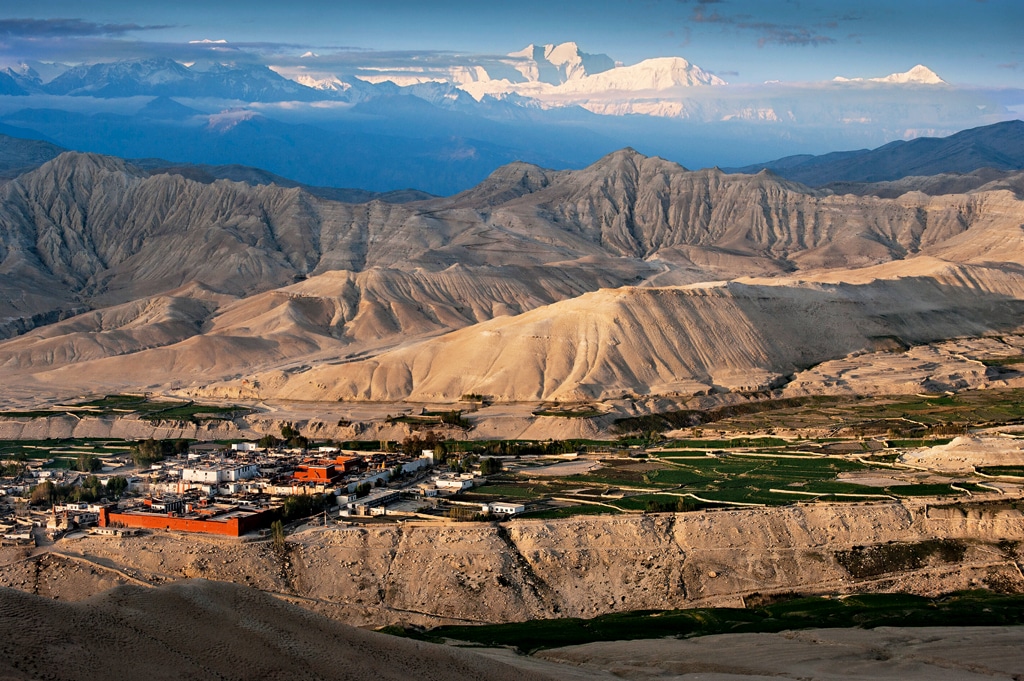
Upper Mustang’s villages, such as Lo Manthang, Chhuksang, and Ghami, were once critical hubs for Himalayan salt trade. Locals traded salt from Tibet for grain and other goods, a practice that shaped architecture, festivals, and daily life.
Why visit:
- Preserved traditional buildings and caravan trails
- Unique blend of Tibetan and Nepali cultures
- Local festivals often feature rituals tied to trade prosperity
Travel tip: Hire local guides—they know the hidden trails and the stories behind each village.
4. Dolpo – The Hidden Salt Villages
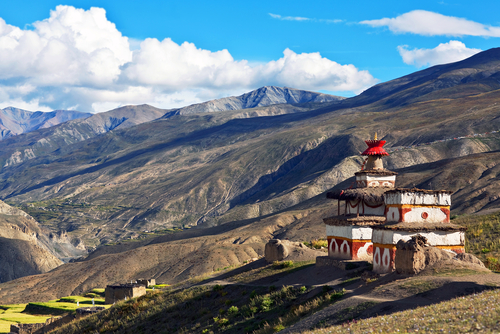
In western Nepal, Dolpo villages such as Shey, Saldang, and Ringmo were central to salt caravan networks. These communities continue to follow centuries-old lifestyles, grazing yaks, trading barley, and celebrating rituals linked to the salt economy.
Highlights:
- Traditional Tibetan Buddhist culture preserved intact
- Yak caravans still traverse high passes in small numbers
- Remote trekking trails with historical significance
5. Humla – Nepal’s Northern Frontier
The Humla district, bordering Tibet, is home to some of the last operational traditional salt trading villages. Though modern trade has reduced the practice, villagers maintain caravan trails, storage structures, and annual festivals commemorating salt trade.
Why it’s unique:
- Extremely remote and untouched by mainstream tourism
- Opportunity to witness living history
- Trekking through high passes with panoramic Himalayan views

Why These Villages Matter Today
- Cultural Preservation: They retain ancient trade routes, architecture, and rituals.
- Living History: Visiting these villages is a direct encounter with centuries-old Himalayan life.
- Sustainable Tourism: Responsible travel supports local communities while protecting heritage.
- Adventure and Learning: Trekking through these regions combines history, culture, and Himalayan wilderness.
Best Time to Visit
- Autumn (Sept–Nov): Clear skies, ideal for trekking and photography.
- Spring (March–May): Moderate temperatures, blossoming valleys, active village life.
- Avoid monsoon (June–Aug) due to landslides and river swelling.
- Winter (Dec–Feb) is possible but challenging in high-altitude passes.
Travel Tips for Salt Route Villages
- Hire local guides for safety, cultural insight, and navigation.
- Respect village customs and dress modestly.
- Carry essentials, as services are limited in remote villages.
- Travel light, but be prepared for high-altitude conditions.
- Support local businesses and homestays to help preserve traditions.
Conclusion: Step Back Into Nepal’s Living History
The last remaining salt route villages in Nepal are more than scenic stops they are windows into a centuries-old Himalayan trade network. Visiting them offers travelers a rare chance to connect with history, culture, spirituality, and the majestic landscapes that shaped a way of life.
Mountain Tiger Nepal can organize custom treks and cultural journeys to these hidden villages, combining adventure, heritage, and immersive experiences, while supporting local communities and preserving their traditions.
