
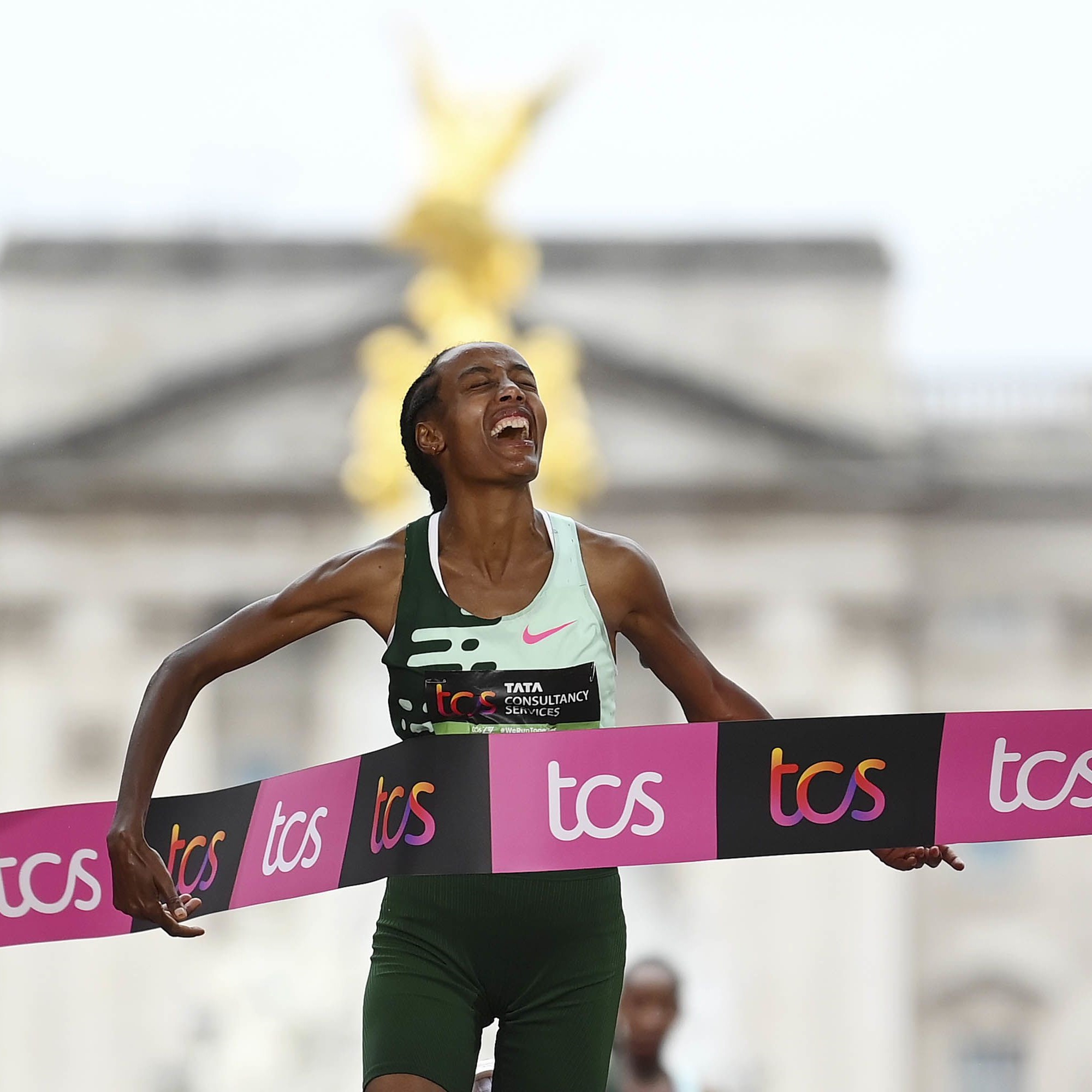
The Major Six Challenge: What It Takes to Conquer All World Marathon Majors
Running a single marathon is an achievement many cherish. But completing the World Marathon Majors—the prestigious series comprising Tokyo, Boston, London, Berlin, Chicago, and New York City is a bucket-list dream for elite and amateur runners alike.
Known as the “Major Six,” these races span continents and cultures, each with its own unique challenges, history, and atmosphere. But what does it really take to run them all? Let’s break down the essentials: budget, training, and timeline.
1. The Six Majors: A Global Running Odyssey
Tokyo Marathon: Asia’s premier race, held in March, famous for its fast course and vibrant urban energy.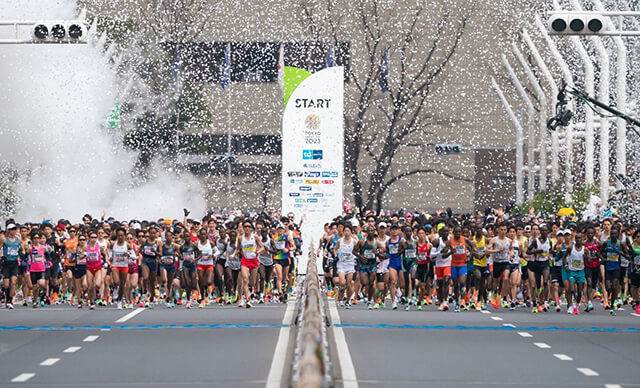
Boston Marathon: The world’s oldest annual marathnn (April), renowned for its challenging hills and strict qualifying times.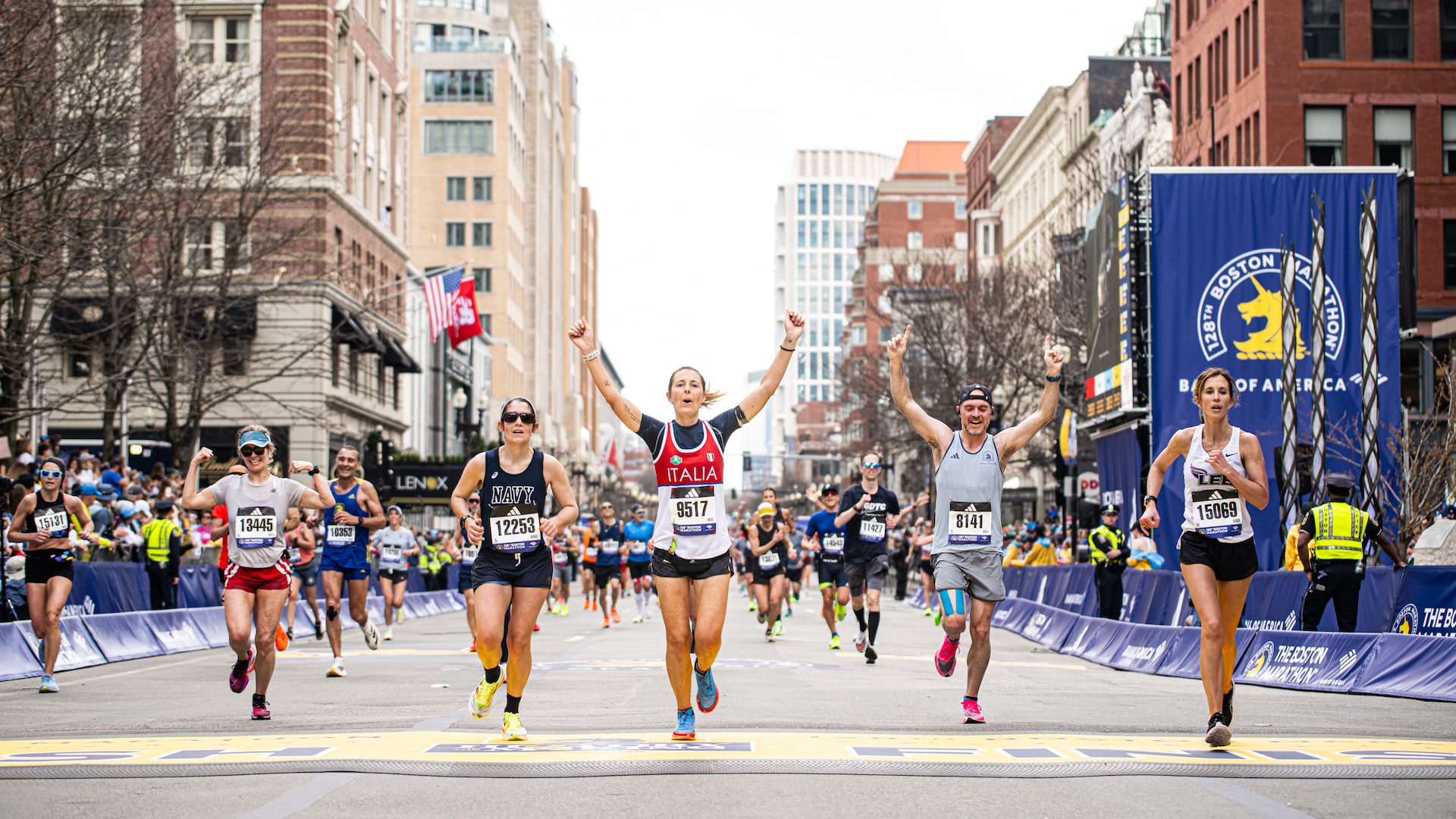
London Marathon: Known for its flat course and celebrity-studded field, usually in April.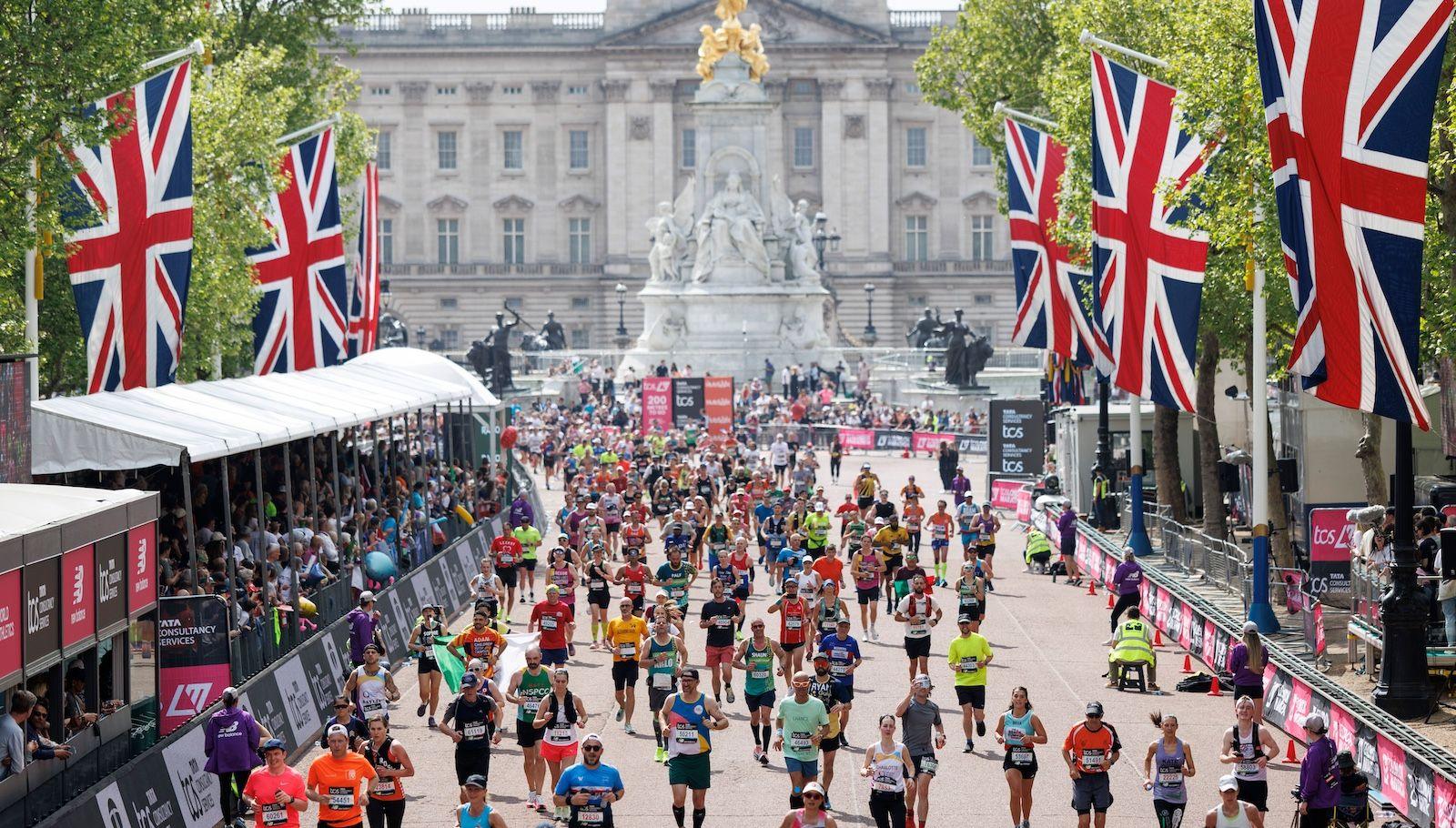
Berlin Marathon: Famous for record-breaking times and a fast, flat route, held in September.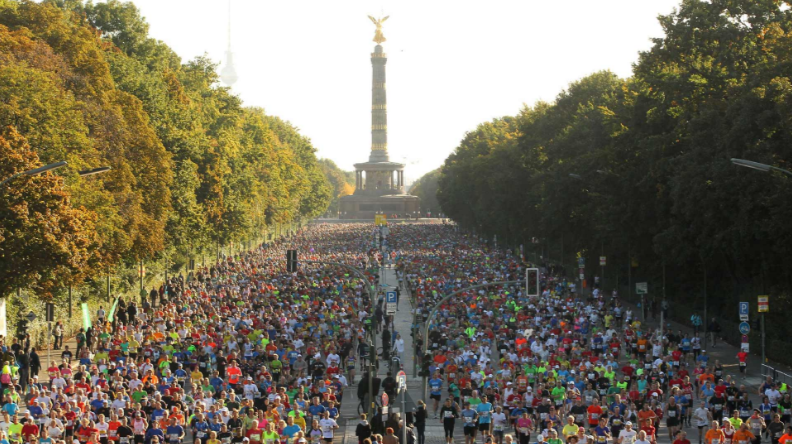
Chicago Marathon: Also flat and fast, held in October, drawing massive international crowds.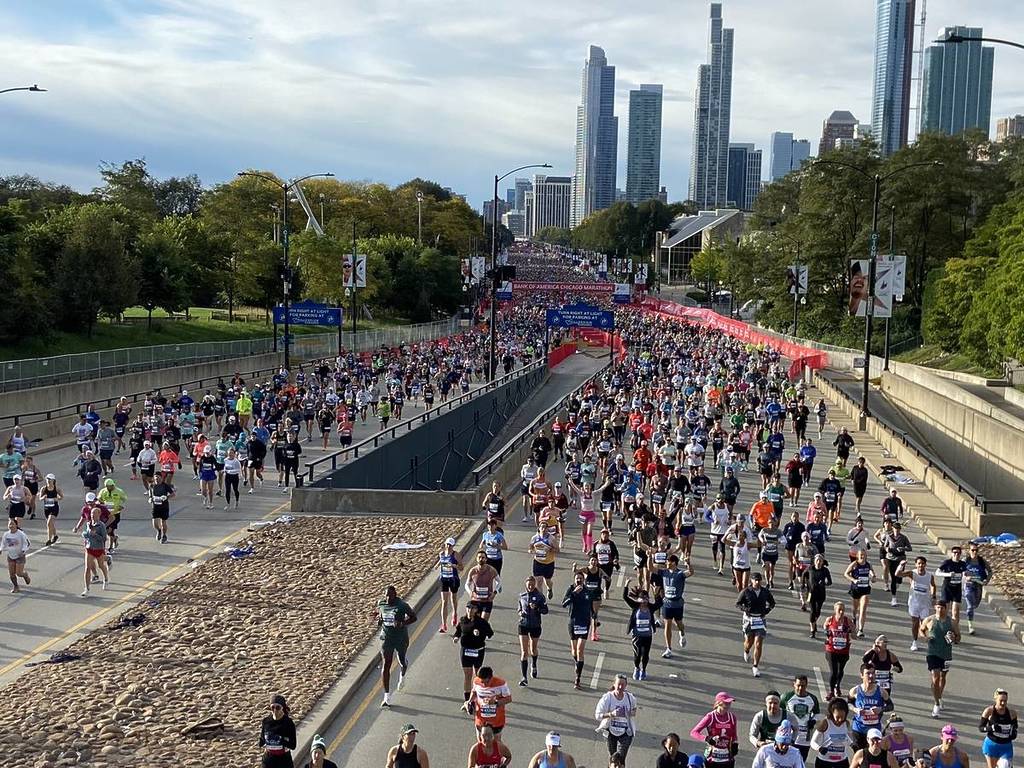
New York City Marathon: The largest marathon worldwide, held in November, with an iconic course crossing five boroughs.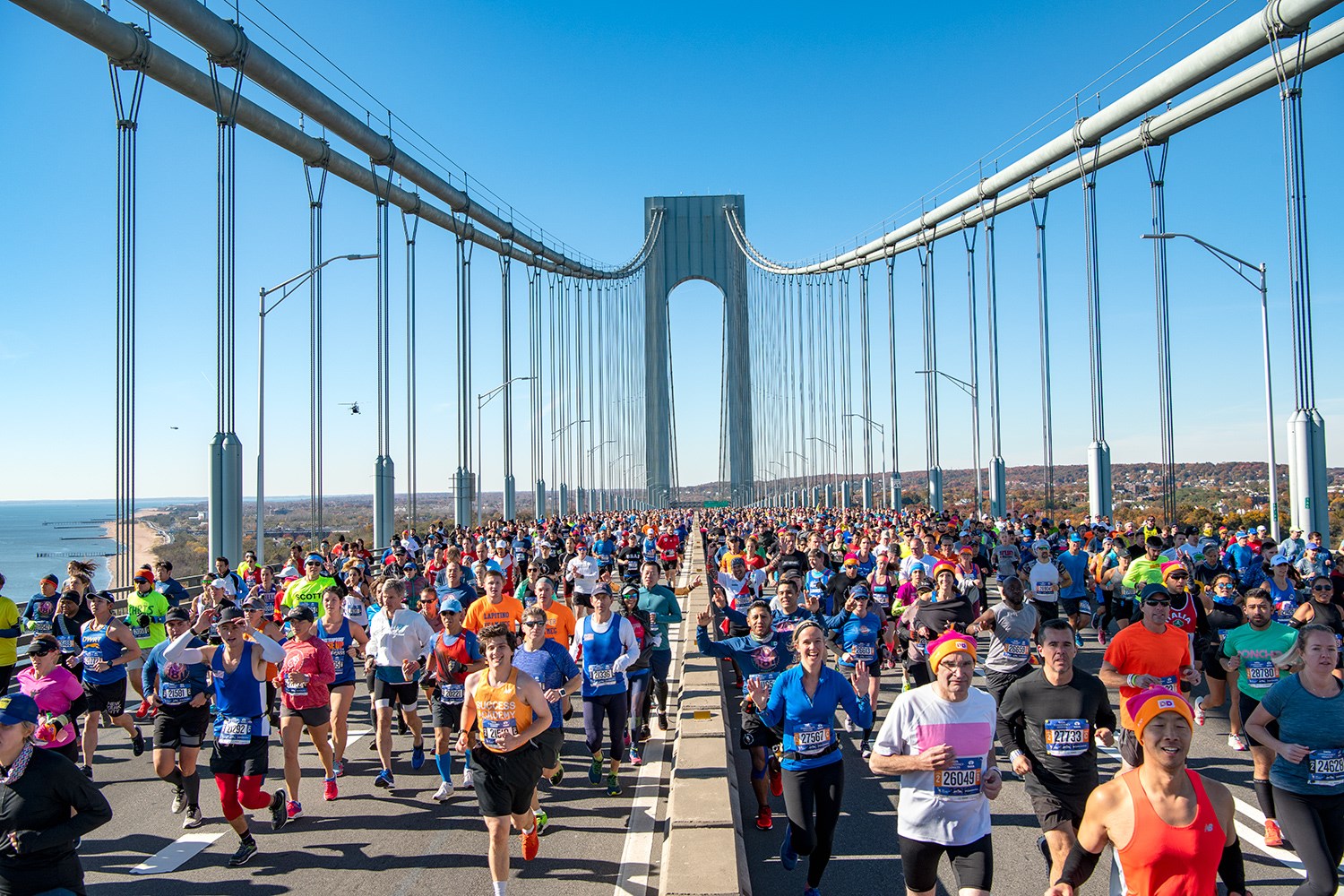
2. Budgeting for the Major Six
Running all six races is a serious investment:
- Entry Fees: Range from $200 (Tokyo) up to $358 (Boston), totaling roughly $1,200–$1,500.
- Travel & Accommodation: Flights and hotels vary widely by your home location, but expect $1,000–$2,000 per race on average.
- Gear & Training Costs: Quality running shoes, gear replacement, coaching, and gym memberships can add another $1,000–$2,000 annually.
Estimated Total Cost: $8,000 to $15,000, depending on travel style and support.
3. Training: Year-Round Dedication
Completing six marathons at this level requires meticulous training plans, often spanning 2–3 years or more. Key points include:
- Periodization: Planning training cycles around each race to peak on race day without burnout.
- Cross-Training: Incorporating strength, flexibility, and recovery sessions.
- Altitude or Climate Prep: Some Majors demand specific acclimatization, such as Tokyo’s humidity or Boston’s hills.
- Nutrition and Injury Prevention: Essential for staying race-ready across multiple events.
Many runners enlist coaches or join specialized training groups to manage these demands.
4. Timeline: The Race Calendar Puzzle
The Majors are spaced throughout the year but with some tightly clustered:
- Spring: Tokyo, Boston, London (March-April)
- Fall: Berlin, Chicago, New York (September-November)
Most runners pace their journey over multiple years, choosing two to three races per year to allow adequate recovery.
5. Why Chase the Major Six?
Beyond the medal, runners cherish:
- Global camaraderie: Joining a worldwide community united by passion.
- Cultural exploration: Experiencing six iconic cities from unique perspectives.
- Personal achievement: Mastering diverse terrains and weather conditions.
Completing all six is a badge of endurance, discipline, and wanderlust.
