
The Secret Behind Sherpa Endurance: How Every Step Is a Lesson
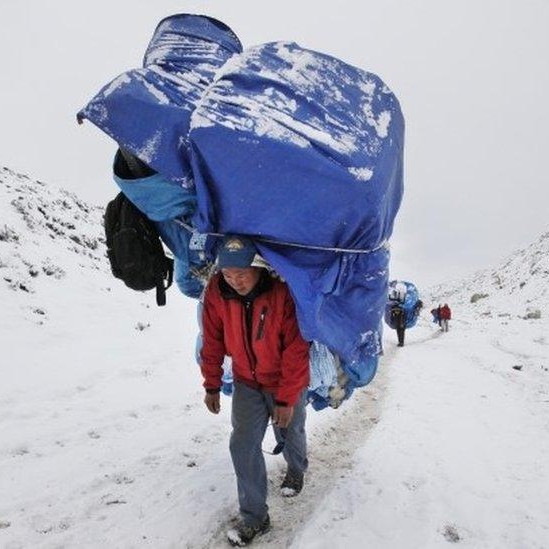
High in the thin air of the Himalaya, where most people gasp for breath and every incline feels twice as steep, the Sherpa people move with a calm, rhythmic grace that seems almost impossible. Whether carrying loads that defy gravity or guiding climbers toward the world’s highest peaks, their footsteps reveal a deeper truth: Sherpa endurance is not just physical strength it’s a mindful art form.
In an age where speed and hustle dominate our lifestyles, the Sherpas teach something radically different:
Walk deliberately. Walk with purpose. Walk with awareness.
And in doing so, conserve energy, protect the body, and stay deeply connected with the mountains.
Why Sherpa Endurance Feels Almost Superhuman
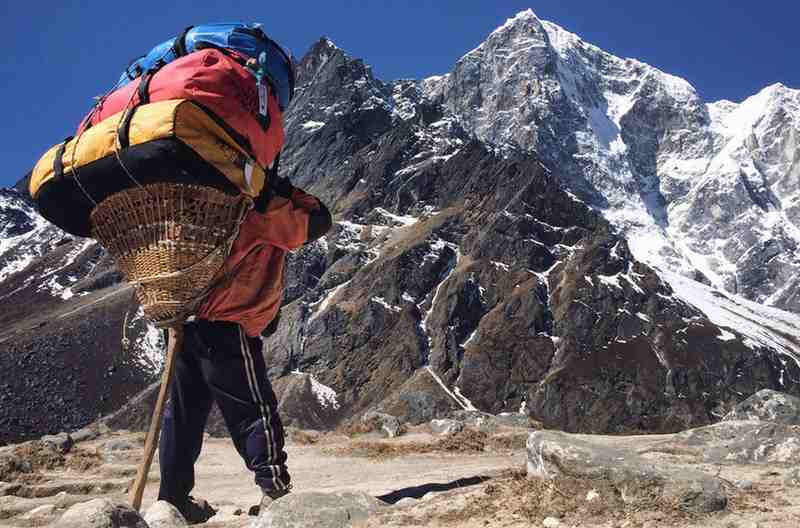
Sherpas have long fascinated trekkers, mountaineers, and scientists. Their performance at high altitude where oxygen is scarce and the terrain unforgiving is legendary.
But their secret isn’t only genetic adaptation or physical conditioning.
The heart of Sherpa resilience lies in mindful movement, a walking technique refined across generations of navigating impossible terrain with humility and patience.
They don’t rush.
They don’t fight the mountain.
They flow with it.
Mindful Walking: The Sherpa Philosophy in Motion
1. The “Rest Step”: A Rhythm That Saves Energy
One of the most effective Sherpa techniques is the “rest step,” a method of placing the foot and pausing for a microsecond before taking the next step.
This brief moment allows the body to:
- Rebalance effortlessly
- Reduce muscle fatigue
- Maintain a steady pace on steep ascents
- Prevent overexertion at high altitude
Instead of pushing harder, the Sherpa approach teaches you to move smarter.
2. Slow Is Smooth, Smooth Is Fast
While trekkers often hurry to reach the next lodge or viewpoint, Sherpas prioritize a smooth, measured pace.
This pace:
- Keeps the heart rate low
- Minimizes oxygen consumption
- Prevents altitude sickness
- Reduces overall energy expenditure
In Sherpa culture, patience is not weakness, it is wisdom.
Every step is calculated, balanced, and in harmony with breath.
3. Foot Placement with Intent
Sherpas rarely stomp or drag their feet. Each step is placed:
- Firmly
- Quietly
- On stable ground
- With attention to weight distribution
This focus avoids unnecessary slips and ensures efficient movement on rocky, icy, or uneven terrain. It’s a practice of mind, eyes, and body aligned together.
4. Breathwork Built for Altitude
Sherpa breathing habits are deliberate. They inhale deeply through the nose and exhale slowly, matching each breath with their pace.
This form of controlled breathing helps:
- Increase oxygen intake
- Keep the body warm
- Maintain mental clarity
- Reduce stress on the heart
Their walk is a moving meditation breath guiding motion.
It’s Not Just a Technique It’s a Way of Life
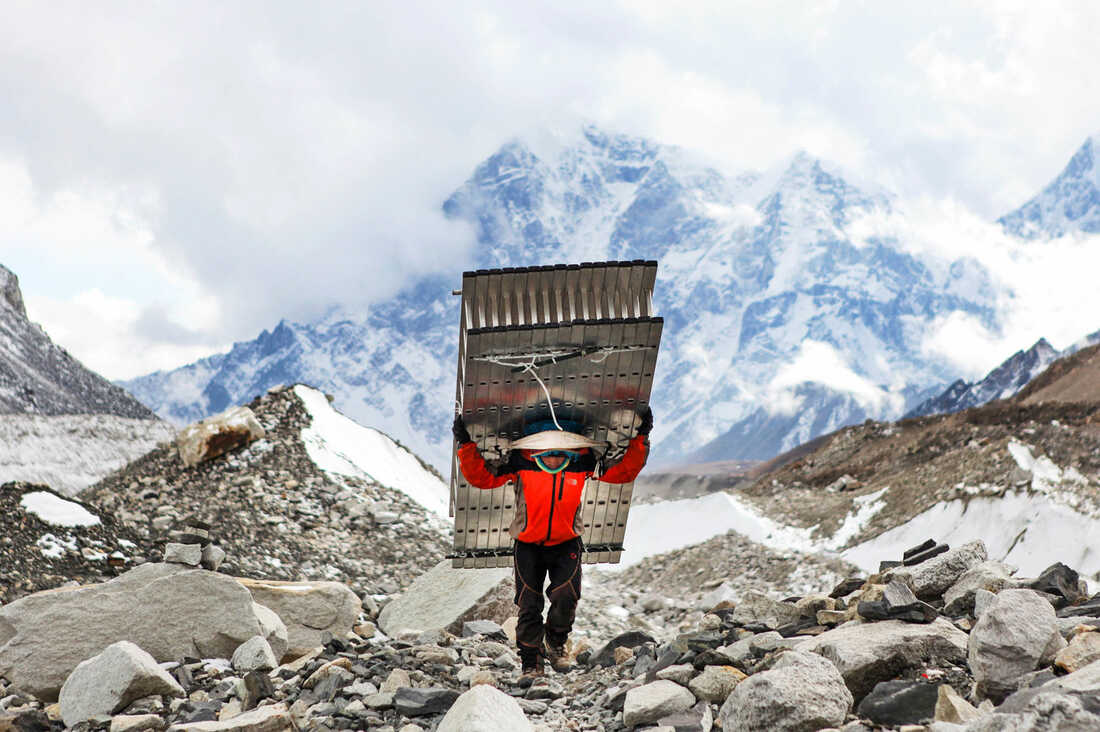
Sherpa endurance is not something they “learn”; it’s woven into their lifestyle from childhood.
Daily life involves:
- Walking long distances between villages
- Carrying goods across steep valley trails
- Maintaining livestock at high altitude
- Living lightly but actively in the mountains
The body becomes conditioned naturally, but the secret ingredient remains their mindset calm, respectful, and deeply connected with nature.
How Sherpa Walking Teaches Us About Life
Every Sherpa footstep offers a lesson far beyond trekking.
-Slow down to preserve energy
Rushing wastes more than it saves in the mountains and in life.
-Listen to your body
Fatigue is a signal, not a weakness.
-Be present with every movement
Mindful walking develops focus and harmony.
-Respect the path ahead
Challenges are conquered with consistency, not speed.
The Science Behind Sherpa Efficiency
Research supports what Sherpas have always known intuitively:
- Their muscle composition is more oxygen-efficient.
- Their pace naturally synchronizes with optimal energy output.
- Their walking style reduces lactic acid buildup.
- Their breathing patterns increase endurance at altitude.
Modern physiology finally confirms the wisdom of ancient Himalayan practice.
Why Trekkers and Climbers Should Learn the Sherpa Way
Whether you’re trekking to Everest Base Camp, attempting a high pass, or walking trails in your local hills, applying Sherpa techniques can:
- Increase stamina
- Reduce injury risk
- Enhance altitude adaptation
- Make trekking more enjoyable
- Improve long-term endurance
You don’t need to be in the Himalaya to walk like a Sherpa the principles work anywhere.
Final Thoughts: Walking as a Teacher
The Sherpas teach us that endurance is not about overpowering the mountain it’s about understanding it.
Their mindful walking is a reminder that strength grows from awareness, rhythm, and respect.
In their steady footsteps lies a simple truth:
Every step is a lesson.
Every breath is wisdom.
Every journey is sacred.
