
The True Cost of Everest Base Camp: Show the Math and Erase the Fear
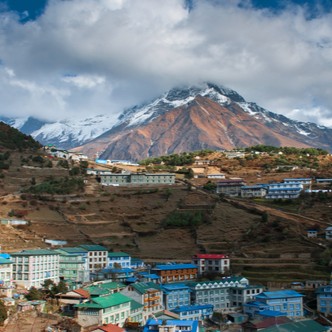
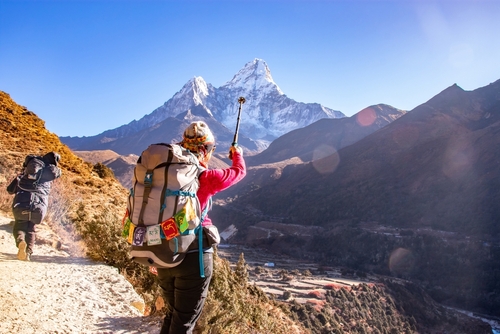
Everest Base Camp (EBC) is a dream destination for adventurers worldwide, a journey through the heart of the Himalaya, past ancient monasteries, rugged trails, and iconic peaks. But for many trekkers, the real question isn’t whether you can make the trek, it's whether you can afford it.
The cost of EBC is more than just the flight to Kathmandu or a guide’s fee. Hidden expenses, teahouse charges, and mismanaged planning can inflate your budget and create unnecessary stress. Here’s a transparent breakdown to help you plan smarter, avoid surprises, and experience EBC with peace of mind.
1. The Transparent Costs: What You Expect to Pay
When budgeting for Everest Base Camp, there are predictable, essential costs:
Total Estimated Base Cost: $1,200–$2,000 per person for a standard 12–14 day trek, excluding international flights.
These are fixed and transparent costs. Planning around them ensures no surprises until you hit the trail.
2. The Hidden Teahouse Fees: What Many Trekkers Overlook
Once you’re on the trail, subtle expenses can quietly add up:
- Hot Water: $1–3 per bucket for washing or tea
- Charging Electronics: $1–3 per device per charge
- Wi-Fi / Internet: $2–5 per hour in higher teahouses
- Shower Fees: $3–5 per shower
- Alcoholic Beverages: $5–10 per bottle or local brew
- Special Meals: Western dishes like pasta or pizza may cost 2–3x local meals
While these costs seem small individually, over 12–14 days, they can add $100–$200 to your budget.
3. Value vs. Practicality: Understanding Where Your Money Goes
It’s tempting to see teahouse costs as “hidden” or unnecessary. But in reality:
- Local Economy Support: Paying fair teahouse fees sustains communities along the trail.
- Essential Comforts: Hot water, charging stations, and meals help prevent altitude sickness and fatigue.
- Safety & Convenience: Reliable accommodation means emergency readiness and clean facilities.
The key is awareness and planning. Knowing the costs ahead of time transforms them from surprises into practical budgeting items.
4. Authenticity Without Overspending
Trekking Everest doesn’t mean breaking the bank or sacrificing authenticity. Smart planning lets you:
- Choose mid-range teahouses with included breakfast
- Bring essential electronics and gear to minimize extra charges
- Budget for hot water and Wi-Fi in advance
- Opt for shared rooms at lower elevations to cut costs
This approach keeps your trek genuine, comfortable, and affordable.
5. Show the Math: Sample Daily Budget for EBC Trek
Adding permits, flights, guide fees, and gear, a full trek budget can range from $1,400 to $2,500, fully inclusive.
6. How to Erase the Fear of Hidden Costs
- Plan in Advance: List all potential expenses, food, accommodation, extras.
- Ask Before Paying: Confirm teahouse prices for hot water, showers, Wi-Fi, and meals.
- Budget for Contingency: Set aside 10–15% extra for unpredictable costs.
- Travel with Trusted Operators: Companies like Mountain Tiger Nepal provide transparent packages without hidden surprises.
- Pack Smart: Bring a portable power bank, warm water bottles, and essential snacks.
Final Thoughts: Transparency is the True Summit
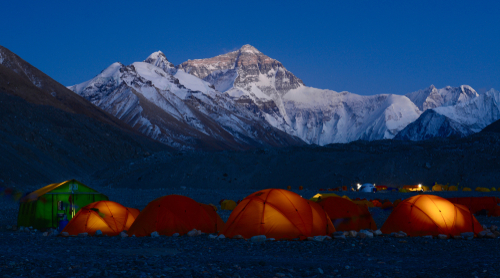
Everest Base Camp is a once-in-a-lifetime journey. The fear of hidden costs should never overshadow the adventure. By understanding what you pay for, why it matters, and how to budget, you can enjoy the trek fully with confidence, clarity, and no financial stress.
Show the math. Plan the budget. Erase the fear.
That’s the key to trekking Everest like a pro.
