
The Ultimate Everest Base Camp Packing List (What Everyone Forgets)
Trekking to Everest Base Camp is not just a Himalayan walk; it is a high-altitude expedition that tests your preparation as much as your endurance. Many trekkers arrive confident with standard packing lists, only to discover above 4,000 meters that small oversights create big problems.
This comprehensive Everest Base Camp packing guide is designed for serious trekkers, travel planners, and expedition companies. It focuses on often-forgotten essentials, weight optimization, altitude comfort, and real trail condition.
Why Smart Packing Is Critical for the Everest Base Camp Trek
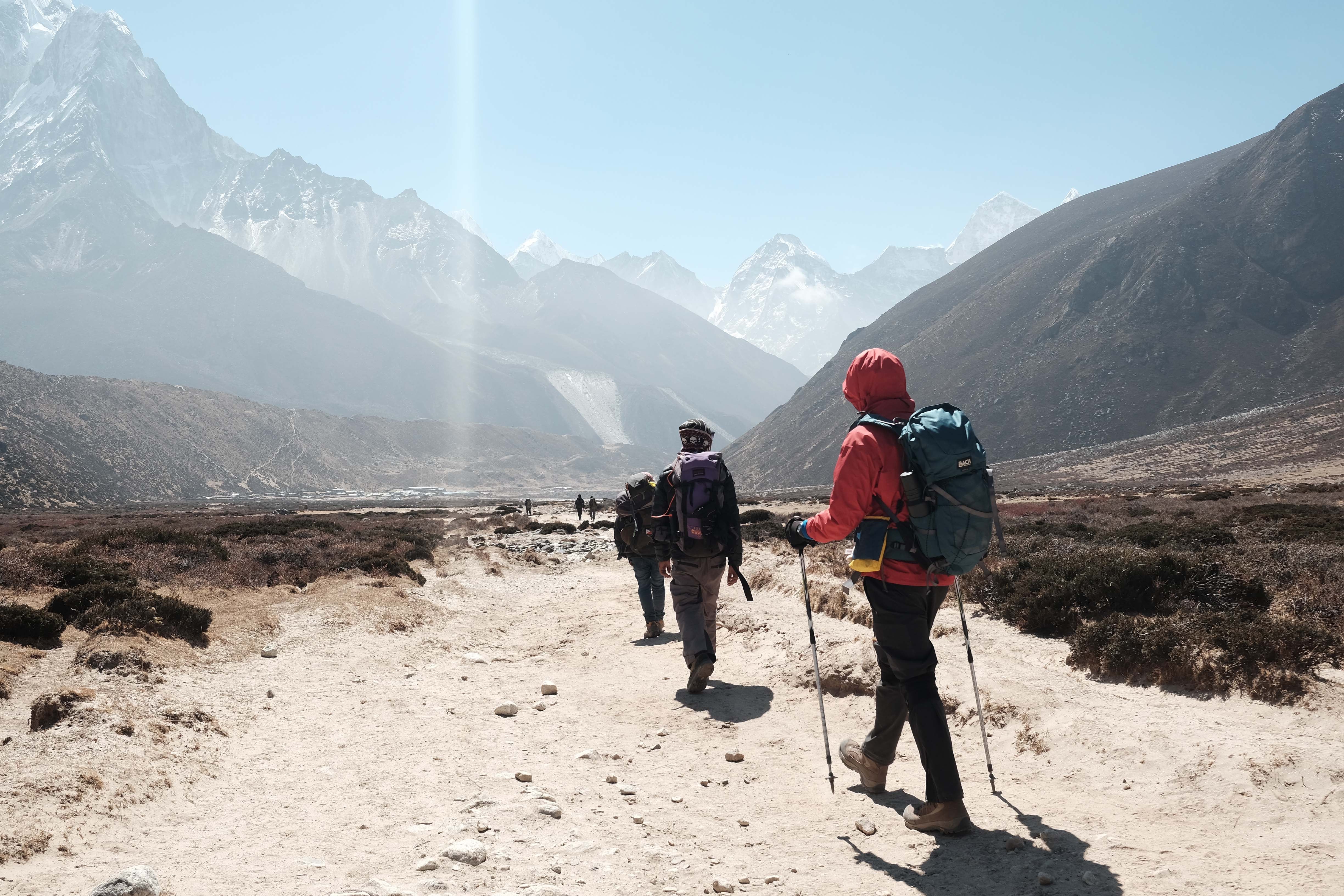
The Everest Base Camp Trek climbs from approximately 1,400 meters in Lukla to 5,364 meters at Base Camp within a relatively short timeframe. Along the way, trekkers face:
- Rapid temperature fluctuations
- Strong alpine winds
- Dry air and increased dehydration
- Limited access to quality gear replacements
Poor packing decisions can result in altitude illness, injuries, poor sleep, or forced evacuation. A smart packing strategy prioritizes layering, warmth, mobility, and recovery.
Clothing Layers: Where Most Trekkers Go Wrong
Base Layers (Your First Line of Defense)
Essential items:
- Moisture-wicking thermal tops (2–3 pairs)
- Thermal leggings (2 pairs minimum)
Commonly forgotten:
- One dedicated sleeping base layer used only inside teahouses
- Merino wool, which performs better than synthetics at altitude due to warmth and odor resistance
Insulation Layer (Down Jackets Matter More Than You Think)
Essential items:
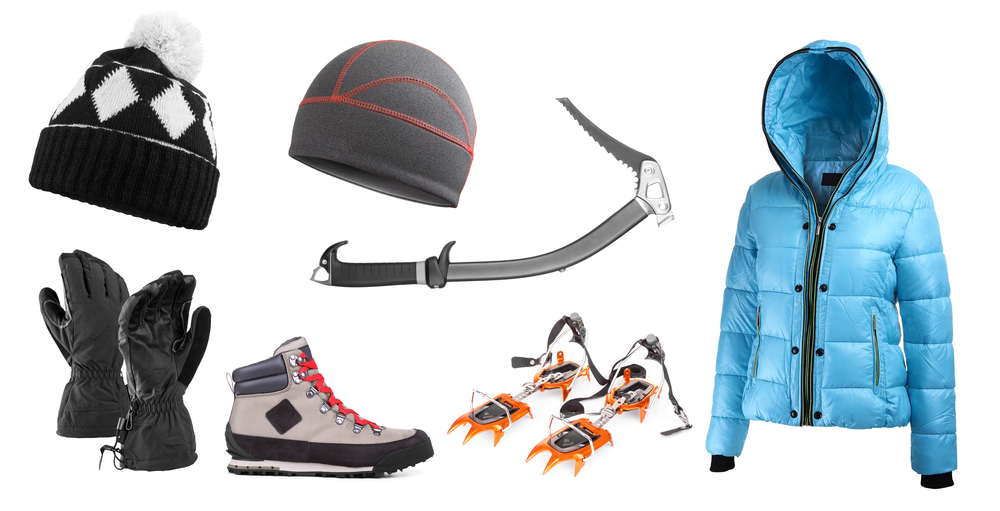
- Lightweight down jacket rated for –10°C to –15°C
- Fleece or synthetic mid-layer for daytime trekking
Frequent mistake:
- Bringing a casual winter jacket instead of a high-altitude-rated down jacket
Your down jacket functions as evening wear, insulation during breaks, and emergency warmth.
Outer Shell (Wind Protection Is Non-Negotiable)
Essential items:
- Windproof and waterproof shell jacket
- Waterproof trekking pants
Often overlooked:
- Wind resistance is more important than rain protection above Namche Bazaar
- Low-quality shells fail quickly in sustained Himalayan wind
Footwear: The Biggest Comfort Divider on the Trail
Trekking Boots
Essential items:
- Well broken-in trekking boots with ankle support
- Waterproof lining and aggressive sole grip
What trekkers forget:
- Spare boot laces
- Slightly larger sizing to accommodate swelling at altitude
Sock System (Not Just Extra Pairs)
Essential items:
- 3–4 trekking socks
- 2 thick thermal or wool socks
- Thin sock liners to reduce friction
Many evacuations begin with untreated blisters caused by poor sock systems.
Backpack & Carry System
Daypack (25–30 Liters)
Essential items:
- Comfortable hip belt
- Rain cover
Often forgotten:
- Internal waterproof liner, which is more reliable than external covers
Duffel Bag (For Porter-Carried Gear)
Essential items:
- 60–80 liter soft duffel bag
Hard suitcases are unsuitable for porter transport.
Altitude Essentials That Most Packing Lists Ignore
Health and Safety
Essential items:
- Altitude medication as prescribed by a doctor
- Pulse oximeter
- Electrolyte or rehydration salts
- High-SPF sunscreen (minimum SPF 50)
- Lip balm with sun protection
Common oversight:
- Electrolytes are essential; water alone does not prevent dehydration at altitude
- Nasal spray helps prevent nosebleeds caused by dry air
Sleep System (Comfort Equals Recovery)
Essential items:
- Sleeping bag rated to –10°C or colder
- Silk or thermal sleeping bag liner
Teahouse blankets are inconsistent and often insufficient during cold nights.
Electronics and Power Management
Essential items:
- High-capacity power bank (20,000 mAh recommended)
- Headlamp with spare batteries
- Insulated pouch for electronics
Critical reminder:
- Battery performance drops sharply in cold conditions
- Charging costs increase significantly with altitude
Trekking Accessories That Are Frequently Forgotten
Essential items:
- Trekking poles to protect knees on long descents
- High-quality sunglasses to protect against intense UV exposure
- Buff or neck gaiter for warmth and dust protection
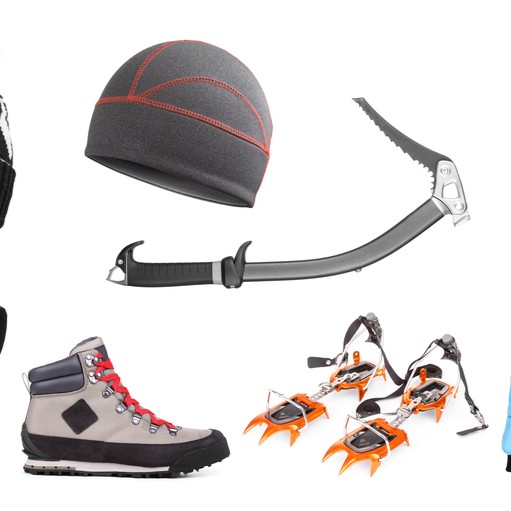
- Lightweight traction devices for winter and early spring treks
Toiletries and Hygiene Essentials
Essential items:
- Biodegradable wet wipes
- Hand sanitizer
- Toilet paper carried from lower elevations
- Compact microfiber towel
Hot showers are limited and often unavailable at higher altitudes.
Documents and Money
Essential items:
- Passport and trekking permits stored in a waterproof pouch
- Comprehensive travel insurance covering high-altitude trekking
- Cash in small denominations
ATM access becomes unreliable beyond Namche Bazaar.
What Not to Pack for Everest Base Camp
Avoid bringing:
- Heavy jeans
- Multiple bulky sweaters
- Hard suitcases
- Unbroken-in footwear
- Excessive electronic devices
Final Packing Philosophy for Everest Base Camp
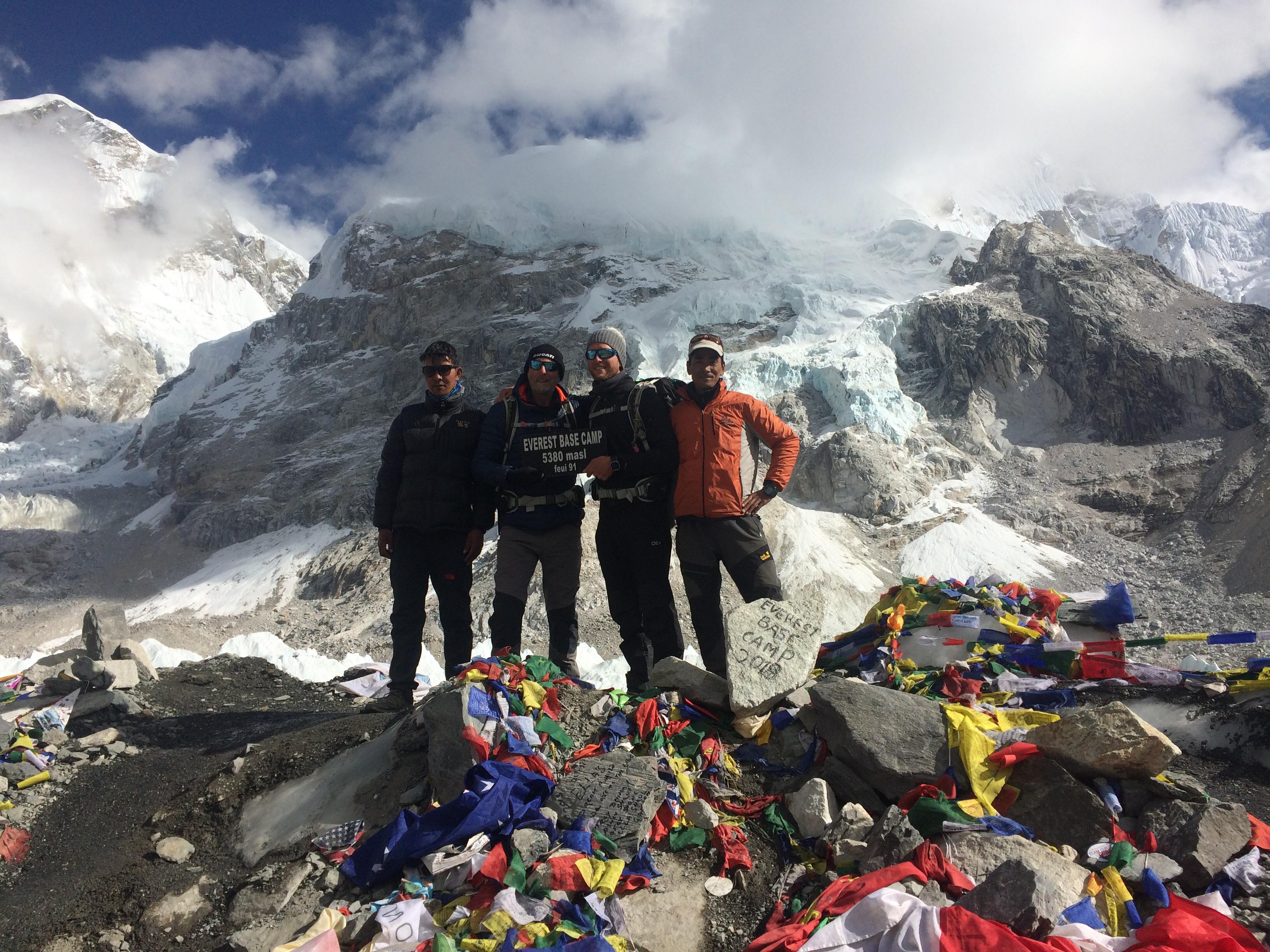
The correct Everest Base Camp packing list is not about quantity. It is about function, layering, and adaptability. If your gear keeps you warm before sunrise in Gorak Shep, protects you from wind on Kala Patthar, and allows restful sleep at altitude, then your preparation is complete.
