
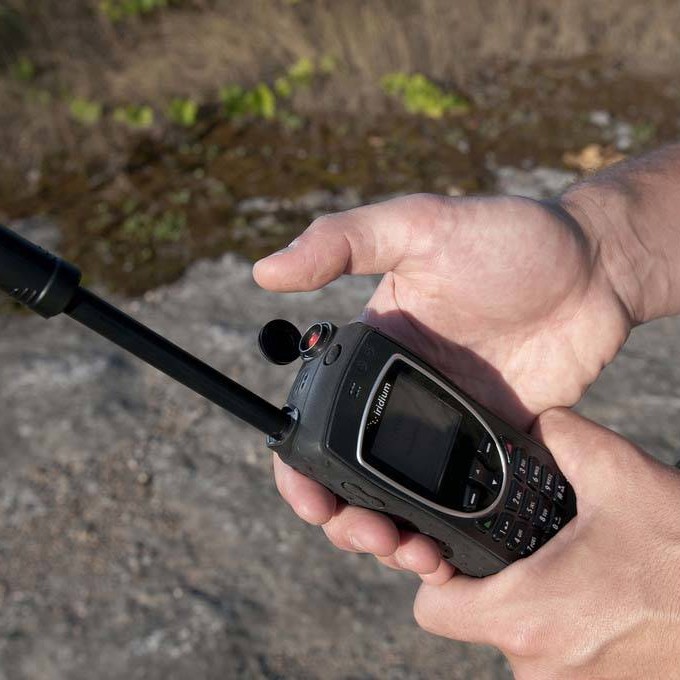
The Ultimate Safety Gear: Satellite Phones for Solo Trekkers in Nepal
Trekking solo in Nepal is a dream for many adventurers. The freedom of moving at your own pace, exploring hidden valleys, and immersing yourself in the Himalayas is unmatched. But solo trekking comes with its own set of risks: unpredictable weather, remote trails, altitude sickness, and limited access to emergency help.
In these conditions, satellite phones are no longer optional; they are the ultimate safety gear for solo trekkers.
Why Solo Trekkers Need Satellite Phones
Unlike group treks, solo trekkers face greater vulnerability because:
- There is no immediate support in case of accidents or illness.
- Trail information and emergency services are often limited in remote regions.
- Mobile network coverage disappears in most high-altitude areas.
A satellite phone ensures you stay connected no matter how isolated your route, providing peace of mind and a lifeline in emergencies.
Key Advantages for Solo Adventurers
1. Global Connectivity Anywhere
Satellite phones work independently of cell towers, allowing communication even in the most remote areas of the Himalayas, including:
- Everest Base Camp and surrounding high passes
- Mustang’s hidden valleys
- Dolpo and Kanchenjunga trails
2. Emergency SOS Features
Many satellite phones include dedicated SOS buttons that instantly alert rescue services with your exact GPS coordinates crucial for solo trekkers far from medical facilities.
3. Weather-Resistant and Durable
High-altitude conditions can be harsh, with freezing temperatures, snow, and rugged terrain. Satellite phones are designed to withstand extreme environments, unlike standard mobile phones.
4. Communication With Guides and Base Camps
Even solo trekkers often hire guides or support teams. A satellite phone allows real-time coordination, ensuring safety updates, route confirmations, and emergency messages are always possible.
Real-Life Examples: Life-Saving Technology
Numerous accounts from Nepal’s trekking community highlight the critical role of satellite phones:
- A solo trekker in the Langtang region used a satellite phone to request a helicopter evacuation after severe altitude sickness.
- In Mustang, a solo hiker rerouted safely after landslides thanks to guidance relayed via satellite communication.
- Everest climbers stranded in snowstorms relied on satellite phones to alert base camps and coordinate rescue.
These incidents emphasize that for solo adventurers, a satellite phone is more than a convenience—it is a survival tool.
Choosing the Right Satellite Phone for Solo Treks
When selecting a device, consider:
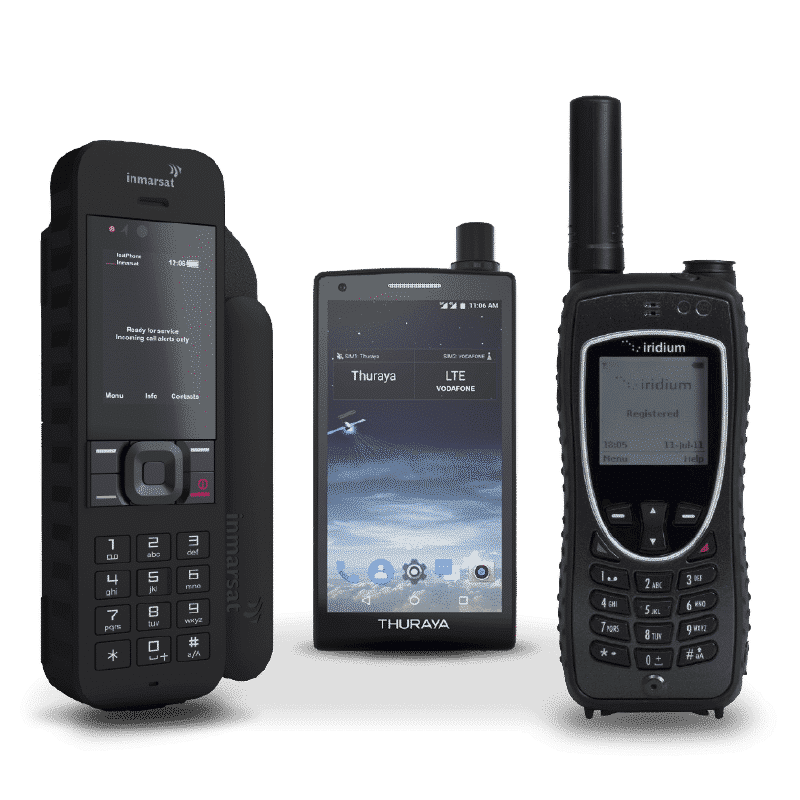
- Network coverage: Iridium offers 100% global coverage, while Inmarsat may have gaps in deep valleys.
- Battery life: Cold temperatures reduce efficiency; bring spare batteries or portable chargers.
- Portability: Compact and lightweight models are best for long treks.
- Emergency features: SOS buttons, GPS tracking, and weatherproofing are essential.
Many trekking companies in Nepal, including Mountain Tiger Nepal, offer satellite phone rentals for solo trekkers, ensuring safety without the need for permanent ownership.
Complementary Safety Measures
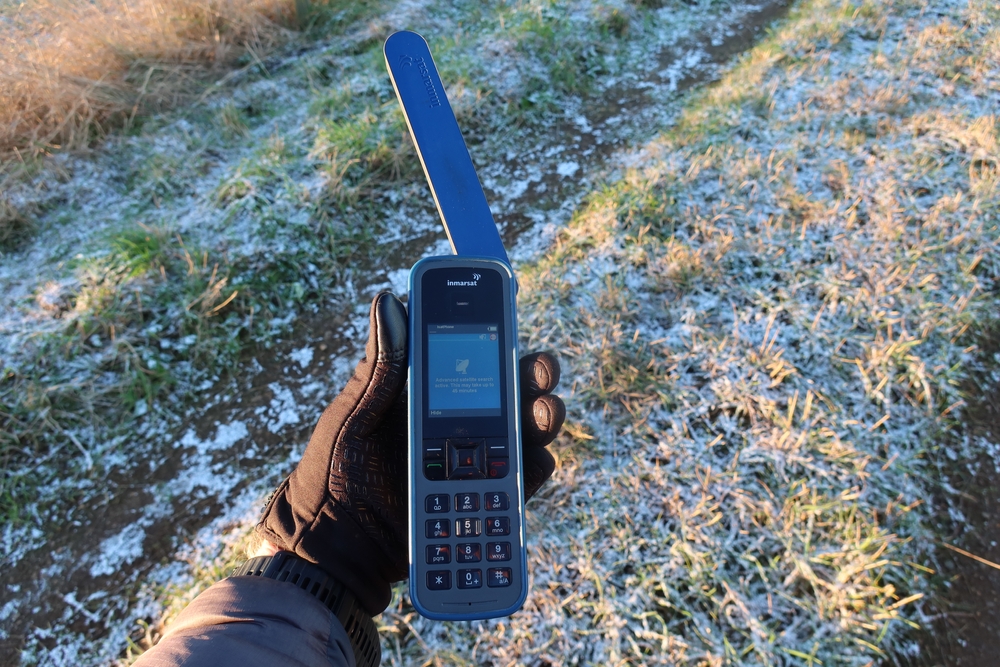
While satellite phones are critical, they work best when combined with other precautions:
- Proper acclimatization schedules to prevent Acute Mountain Sickness (AMS)
- Travel insurance covering high-altitude emergencies
- Local guide assistance for navigation and local expertise
- Monitoring weather forecasts to avoid sudden hazards
Together, these strategies provide comprehensive safety for solo Himalayan adventures.
Conclusion: Your Lifeline in the Himalayas
For solo trekkers in Nepal, a satellite phone is the ultimate safety gear. It ensures reliable communication, rapid emergency response, and peace of mind while exploring some of the world’s most remote and beautiful trails.
When preparing for your next solo trek in the Himalayas, don’t just pack tents, boots, and trekking poles pack a lifeline that could save your life.
