
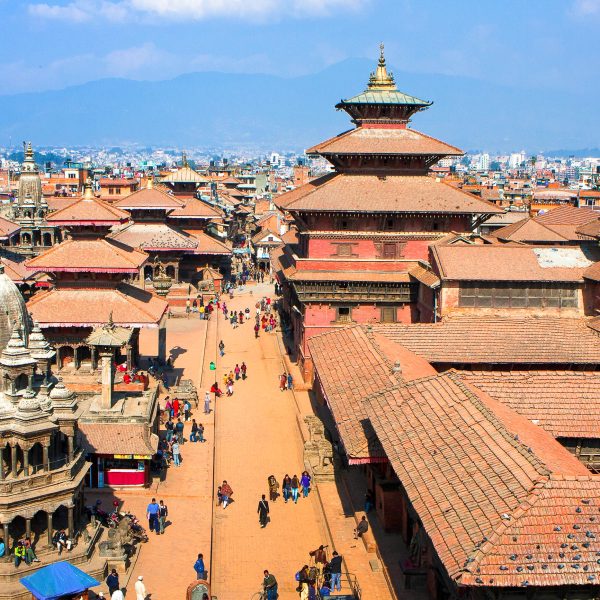
The UNESCO World Heritage Sites of Nepal
A source of national pride, these sites of significance listed on the UNESCO World Heritage Site are the treasures to be taken care of. In this beautiful small Himalayan nation of Nepal, there lie four UNESCO World Heritage Sites. These sites offer a glimpse into Nepal’s deep-rooted history, religious significance, and artistic achievements, attracting travelers, historians, and spiritual seekers from around the globe. This blog delves into the UNESCO World Heritage Sites of Nepal, and their significance for the country.
Kathmandu Valley: A Treasure Trove of History and Culture
The Kathmandu Valley, home to seven UNESCO World Heritage Sites, is often referred to as an open museum. It is a melting pot of ancient temples, palaces, and monuments that represent the artistic and architectural genius of the Newar civilization. The valley comprises three historic cities: Kathmandu, Bhaktapur, and Patan, each of which hosts an array of awe-inspiring heritage sites.
1. Kathmandu Durbar Square
Located in the heart of Nepal's capital, Kathmandu Durbar Square is a historical ensemble of courtyards, temples, and palaces. Once a residence of the Malla kings, the square is renowned for its intricate woodwork, stone sculptures, and centuries-old structures. Key attractions in Kathmandu Durbar Square are the Hanuman Dhoka Palace, Kumari Ghar (the residence of the living goddess), and the Taleju Temple. Despite the damage caused by the 2015 earthquake, the square remains a symbol of Nepal’s royal history and religious devotion.
2. Patan Durbar Square
Situated in Lalitpur, Patan Durbar Square is a masterpiece of Newari architecture. The square is a vibrant display of exquisite temples, courtyards, and statues, including the famous Krishna Mandir, a temple dedicated to Lord Krishna, built entirely of stone. The Patan Museum, housed within a palace, offers insights into Nepal’s rich history, art, and culture. The square is also known for its festivals and rituals, which provide a glimpse into the spiritual life of the local people. On the outskirts of Patan Durbar Square we can spend some time in a Tibetan refugee camp indulging ourselves in a little workshop where we could participate hands-on making Tibetan crafts.
3. Bhaktapur Durbar Square
Bhaktapur Durbar Square, located in the city of Bhaktapur, is often described as a living museum. The square is a showcase of medieval Nepalese art and architecture, with the 55-Window Palace, Vatsala Temple, Nyatapola Temple, and Bhairavnath Temple the iconic landmarks of its peripheries. Bhaktapur is also known for its traditional pottery and weaving industries which are rooted in Bhaktapur’s culture, adding a layer of cultural richness to the area. The city’s well-preserved architecture and slower pace of life make it a favorite destination for those seeking to experience ancient Nepal.
4. Swayambhunath (The Monkey Temple)
Perched atop a hill overlooking Kathmandu, Swayambhunath is one of Nepal’s oldest and most revered religious sites. It was listed as a UNESCO World Heritage Site in 1979. The stupa's name, Swayambhunath, means "self-existent one" in Sanskrit, indicating its ancient origins.
This stupa, adorned with the eyes of Buddha, is a symbol of enlightenment. The site is a harmonious blend of Hindu and Buddhist elements, with numerous statues, shrines, temples, and prayer wheels surrounding the main stupa. Swayambhunath’s serene ambiance and spiritual significance attract both pilgrims and tourists.
5. Boudhanath Stupa
Boudhanath Stupa, one of the largest in the world, is the focal point of Tibetan Buddhism in Nepal. Bouddhanath Stupa is believed to have been built in the 5th century, making it one of the oldest and holiest Buddhist sites in Kathmandu Valley. The massive mandala-shaped stupa is surrounded by prayer flags, monasteries, and shops selling religious artifacts. Pilgrims walk clockwise around the stupa, spinning prayer wheels and chanting mantras, creating an atmosphere of devotion and peace. The stupa is especially vibrant during festivals like Losar, the Tibetan New Year when monks and devotees gather for rituals and celebrations.
6. Pashupatinath Temple
Pashupatinath Temple, located on the banks of the Bagmati River, is Nepal’s most sacred Hindu temple. Dedicated to Lord Shiva, this sprawling temple complex is a significant pilgrimage site for Hindus, particularly during the Maha Shivaratri festival. The temple’s architecture is intricately carved brass and copper structure on its base and its roof is completely covered in gold, a true testament to Nepal’s religious and artistic heritage. The ghats along the Bagmati River are also used for cremation ceremonies, adding to the spiritual atmosphere of the site. Daily in the evening an “Aarati” is held at around 6 pm where primarily Hindus and people of many religions come together to seek blessings near the Bagmati river.
7. Changu Narayan Temple
Changu Narayan Temple, perched on a hilltop in Bhaktapur, is one of the oldest Hindu temples in Nepal. Dedicated to Lord Vishnu, the temple is an architectural gem, with stone sculptures and carvings that date back to the 4th century. The temple is surrounded by traditional Newari houses and offers stunning views of the surrounding countryside. Changu Narayan’s rich history and artistry make it a must-visit destination for those interested in Nepalese culture and religion.
Lumbini: The Birthplace of Buddha
Lumbini, located in the southwestern region of Nepal, is a UNESCO World Heritage Site of immense religious significance. It is the birthplace of Siddhartha Gautama, who later became known as Buddha, the founder of Buddhism. The sacred garden of Lumbini is home to several important landmarks, including the Maya Devi Temple, which marks the exact spot where Buddha was born. The Ashoka Pillar, erected by Emperor Ashoka in 249 BCE, and the ancient ruins of monasteries add historical depth to the site.
Lumbini is also a hub of international Buddhist activity, with monasteries and meditation centers built by Buddhist communities from around the world. The serene environment of Lumbini offers a perfect setting for reflection and spiritual growth. Pilgrims and visitors alike are drawn to the sacred Bodhi tree, under which Buddha is said to have attained enlightenment, and the tranquil ponds where he took his first bath.
Natural Heritage
Chitwan National Park: A Sub-Tropical Heaven for Wildlife
Moving away from the cultural and religious heritage, Chitwan National Park represents Nepal’s natural heritage as a UNESCO World Heritage Site. Located in the Terai region, this park is a haven for wildlife enthusiasts and conservationists. Covering an area of 932 square kilometers, Chitwan is home to a diverse range of flora and fauna, including endangered species like the one-horned rhinoceros, Bengal tiger, and gharial crocodile.
The park offers a variety of activities, such as jungle safaris, bird watching, and canoeing, allowing visitors to experience the beauty of Nepal’s wilderness. Chitwan’s conservation efforts have played a crucial role in protecting endangered species and preserving the park’s ecological balance.
Sagarmatha National Park: Home to Everest
Sagarmatha National Park, located in the Khumbu region, is another UNESCO World Heritage Site that highlights Nepal’s natural beauty. The park is home to Mount Everest, the world’s highest peak, as well as other towering mountains, glaciers, and deep valleys. Sagarmatha National Park is not only a destination for trekkers and mountaineers but also a sanctuary for rare wildlife, including the snow leopard and red panda.
Nepal’s UNESCO World Heritage Sites offer a diverse and enriching experience, from the cultural and religious landmarks of the Kathmandu Valley and Lumbini to the natural wonders of Chitwan and Sagarmatha. Each site tells a story of Nepal’s history, spirituality, and dedication to preserving its heritage. Whether you are a history buff, a spiritual seeker, or a nature enthusiast, these sites provide a unique opportunity to explore the many facets of Nepal’s identity. As you journey through these heritage sites, you will not only witness the beauty and significance of Nepal’s past but also gain a deeper understanding of the country’s enduring legacy.
