
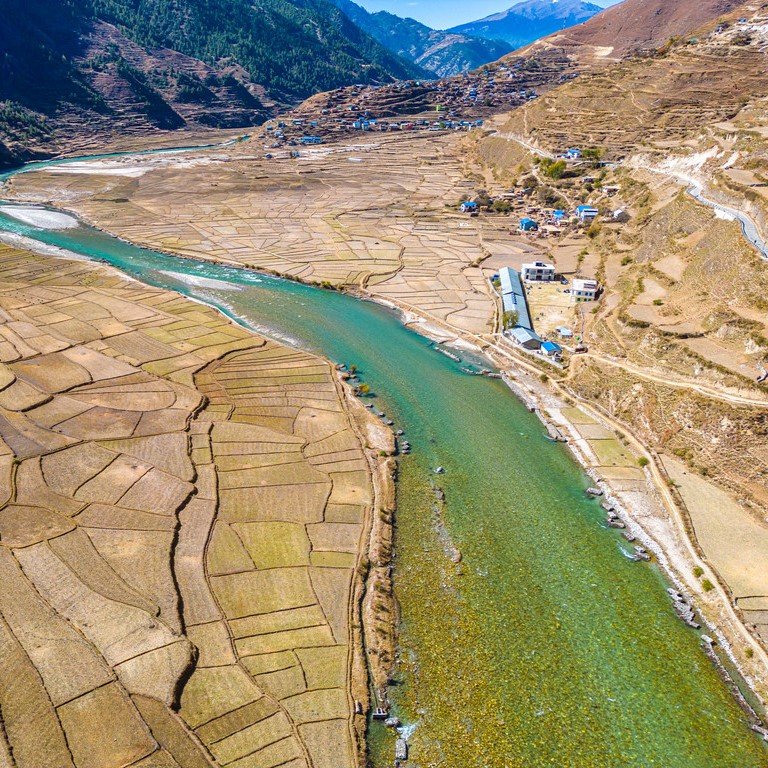
Tila Valley, Jumla – A Timeless Land of Terraces and Malla Ruins
Hidden in the shadow of western Nepal’s mid-Himalayan ranges, Tila Valley in Jumla is a captivating landscape where history, culture, and natural beauty come together in quiet harmony. This lesser-known valley, carved by the ancient Tila River, is renowned for its stone-walled terraced farms, apple orchards, and the forgotten ruins of the medieval Khas Malla Kingdom, which once ruled much of the western Himalayas.
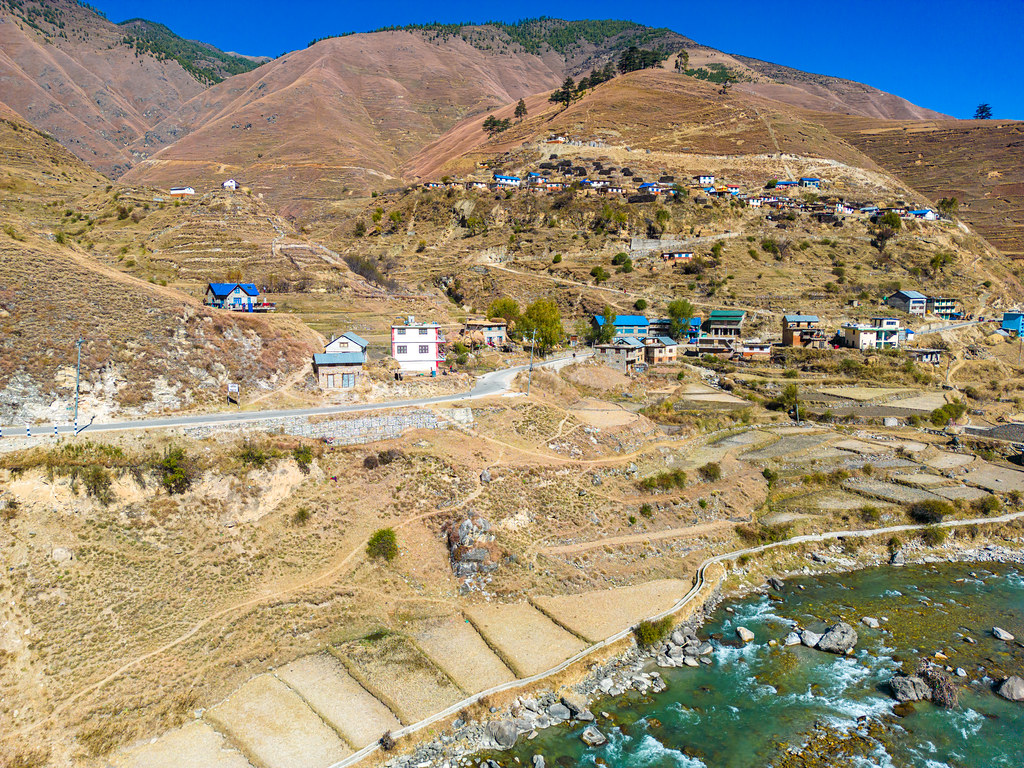
A Valley Etched in Layers
The Tila Valley is not just scenic, it's symbolic. Rising from the riverbanks to steep hillsides, its layered terraces have been cultivated for centuries, producing barley, millet, and Jumla’s famous organic red rice. The traditional Chhetri, Thakuri, and Dalit communities who inhabit the valley have preserved ancient farming techniques, religious traditions, and architectural heritage, offering visitors a rare chance to step into a living cultural landscape.
Remnants of a Lost Kingdom
At first glance, the Tila Valley may appear pastoral, but scattered across its slopes are the silent remains of the Khas Malla Dynasty, which flourished from the 12th to 14th centuries. The Malla kings established Jumla as one of their capitals, and the Tila Valley holds ruins of old forts, stone shrines, temple foundations, and inscriptions in ancient Devanagari script carved into rocks and walls. These relics speak of a time when this valley was a center of Himalayan power, art, and Sanskrit learning.
Cultural Richness & Biodiversity
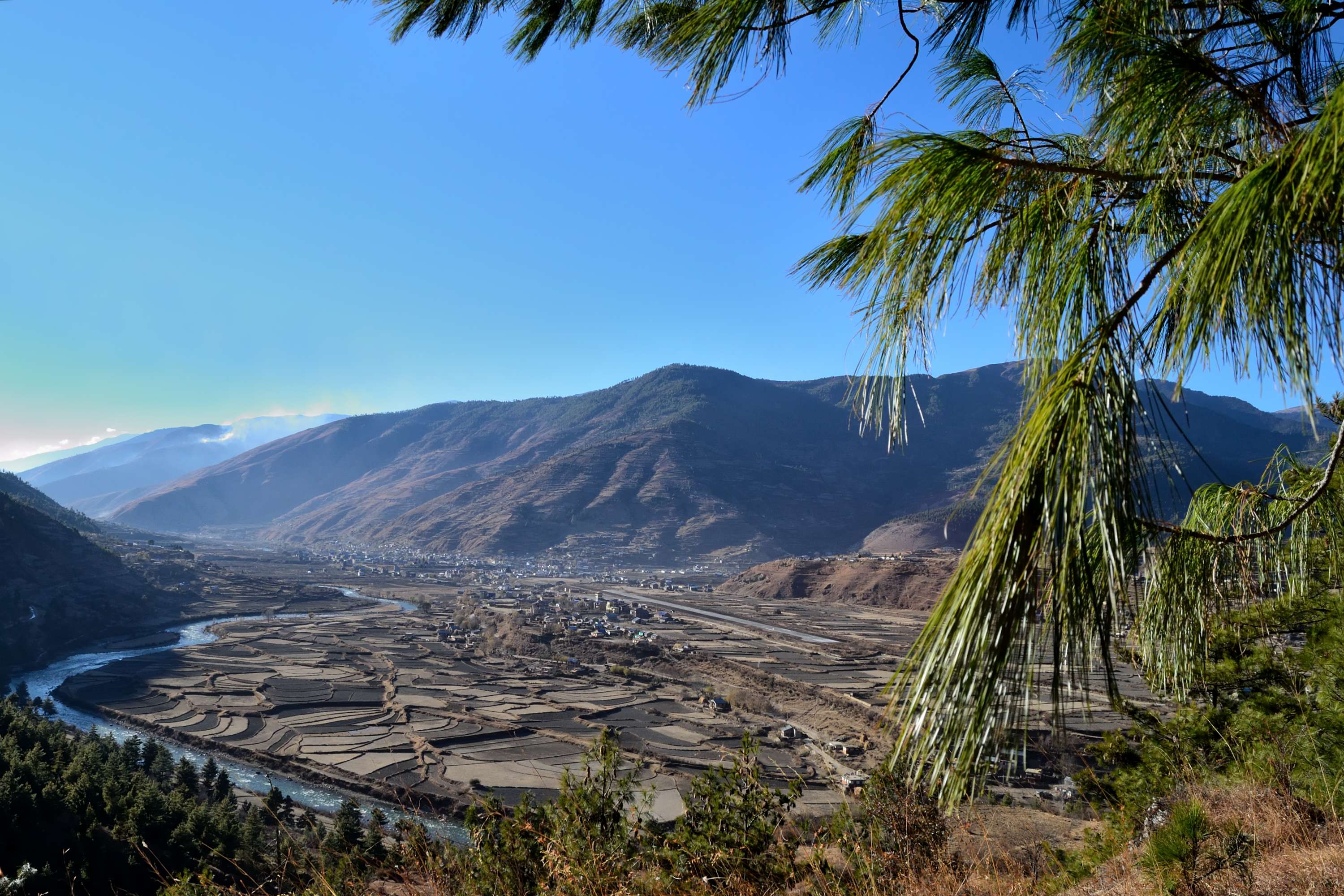
Tila Valley sits within one of Nepal’s most biodiverse mid-hill zones, home to medicinal herbs, pine forests, and highland pastures. In spring and summer, the valley bursts into color with wildflowers and blossoms, while autumn brings a golden hue over the ripening terraces.
The locals observe festivals like Chhewar, Dashain, and Bhume Puja with traditional dances, music, and rituals. Religious syncretism is strong here where Shaiva shrines blend with Bon and animist practices, and daily life is tied closely to the rhythms of the land.
Getting There
- Access: From Nepalgunj, take a flight to Jumla Bazaar, then travel by jeep or hike along local trails to reach the Tila Valley.
- Best time to visit: March to June (for green fields and wildflowers) or September to November (for cultural festivals and harvest scenes).
- Stay: Community homestays and teahouses offer simple yet hospitable accommodations.
Why Visit Tila Valley?
If you’re seeking a destination that combines archaeological intrigue, agricultural heritage, and Himalayan village life untouched by mass tourism, Tila Valley is a rewarding stop. Whether you’re a historian tracing the Malla era, a trekker drawn to serene trails, or a traveler chasing authenticity.Tila holds timeless stories in every stone and terrace.
