Tinje Village: The Forgotten Tibetan Valley of Upper Dolpo
Tucked away in the windswept Himalayan wilds of northwestern Nepal lies Tinje, a hidden village in the Dolpa District that remains one of the least visited yet most fascinating places in the country. Located in the Karnali Zone of Upper Dolpo, Tinje is more than just a remote dot on the map it’s a living cultural relic, a Tibetan valley untouched by time, and a quiet outpost of Buddhist devotion, hospitality, and resilience.A Place Few Have Reached
At the time of the 1991 Nepal census, Tinje had a population of just over 1,000 people living in 215 households. Despite the passage of decades, life here still flows at the pace of the mountain slow, grounded, and deeply in tune with nature.
Reaching Tinje requires days of rugged trekking through high-altitude passes, desert-like valleys, and ancient trade routes. But those who dare to come are rewarded with an authentic experience of Tibetan Buddhist culture, stunning scenery, and a rare sense of human connection.
Geography and Significance
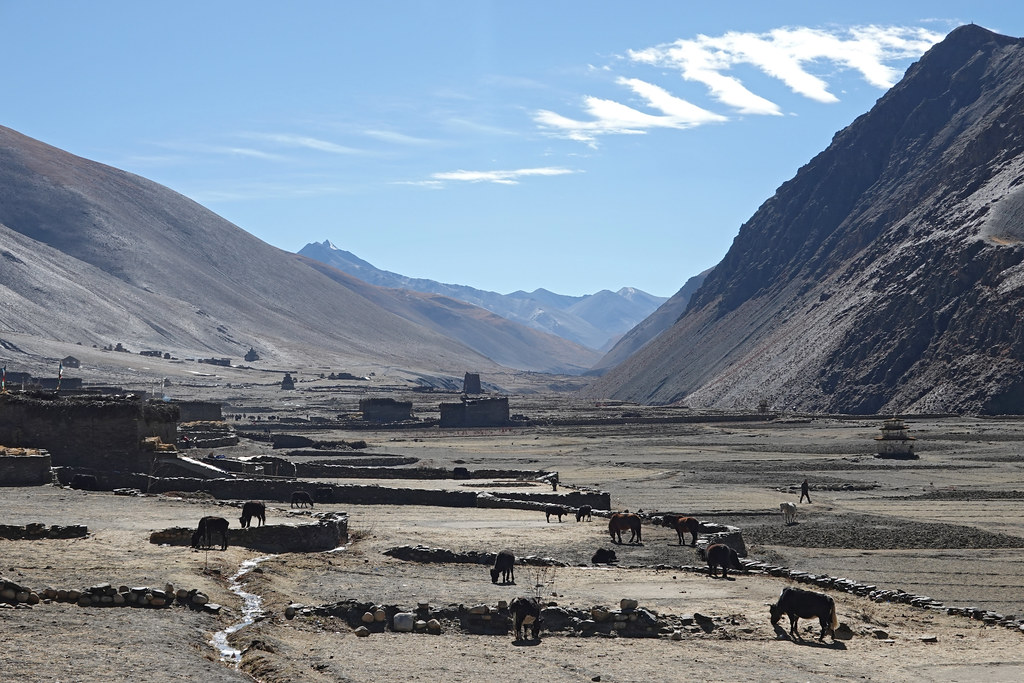
Tinje lies along an ancient salt and wool trade route that once connected Dolpo with Tibet. The broad valley in which it sits is one of the few relatively fertile areas in Upper Dolpo, allowing for limited farming alongside yak and sheep herding.
With no roads, no phone towers, and no electricity in most homes, the village has remained insulated from the pressures of the modern world. It is this very isolation that makes Tinje so special—a last bastion of Himalayan life untouched by tourism.
Culture, Belief, and Monastic Life
Tinje is home to a small population of ethnic Tibetans, who practice Nyingma and Kagyu schools of Tibetan Buddhism. The local monastery, though modest, plays a central role in village life hosting seasonal pujas, teachings, and rites of passage. Monks from the village often study in larger monasteries in Shey or Namgung and return to continue the tradition.
Stone houses with flat roofs line the slopes, and colorful prayer flags flutter across wooden poles, infusing the valley with spiritual symbolism. Travelers often describe Tinje as a place where rituals and community remain interwoven, and where every gesture from offering butter tea to sharing stories around a yak-dung fire—is filled with meaning.
A Trekker’s Dream of Solitude
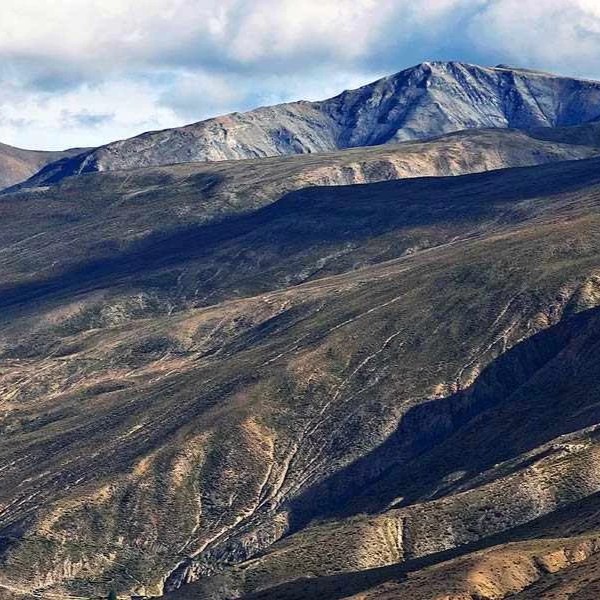
Though overshadowed by more popular destinations like Phoksundo Lake or Shey Gompa, Tinje has quietly become a sacred grail for off-the-beaten-path trekkers and cultural explorers. Most routes to Tinje pass through Shey Phoksundo National Park and take trekkers across Nengla Pass or Chharka Bhot, into a landscape of ochre cliffs, barren ridgelines, and Himalayan silence.
Camping is essential, and accommodation is limited to basic homestays or tents, but the remoteness is exactly what makes the journey worthwhile. Every interaction feels genuine. Every view feels earned. And every step is a rediscovery of peace.
Why Few People Visit Tinje
Unlike mainstream trekking destinations:
- There are no lodges or tea housestrekkers must be self-supported.
- The trail is long and remote, typically requiring over two weeks of high-altitude trekking.
- Special permits (Upper Dolpo Restricted Area) are required and logistics can be challenging.
- Very little information is available, keeping Tinje under the radar of most travelers.
But for seasoned trekkers, researchers, and spiritual seekers, Tinje is one of the last untouched gems of the Himalayas.
Tinje: Where Mountains Guard Silence and Culture Thrives
In a world where travel is often about ticking boxes, Tinje offers something far deeper a sense of place. A connection to land, people, and heritage that cannot be packaged, photographed, or commercialized.
If you're seeking the pure essence of the Himalayas, where tradition breathes through every stone and silence sings louder than any city, Tinje is calling.