
Tinkar Pass & Tinkar Valley: Nepal’s Remote Himalayan Gateway to Tibet
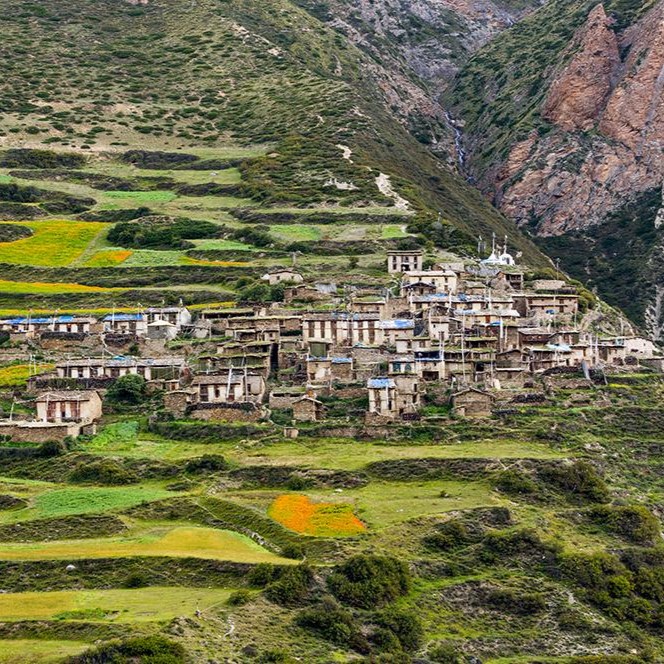
Nestled deep within the far-western folds of Nepal’s Sudurpashchim Province, Tinkar Pass (5,258m) is one of the most fascinating, yet least explored, Himalayan frontiers. It lies at the northern end of Tinkar Valley, a rugged, high-altitude gorge bordering both Tibet (China) to the north and Uttarakhand, India to the west. With snow-draped ridges, ancient Byansi villages, and deep-rooted trans-Himalayan trade traditions, Tinkar is both a geopolitical hotspot and a pristine trekking destination that few have witnessed.
Where is Tinkar Pass?
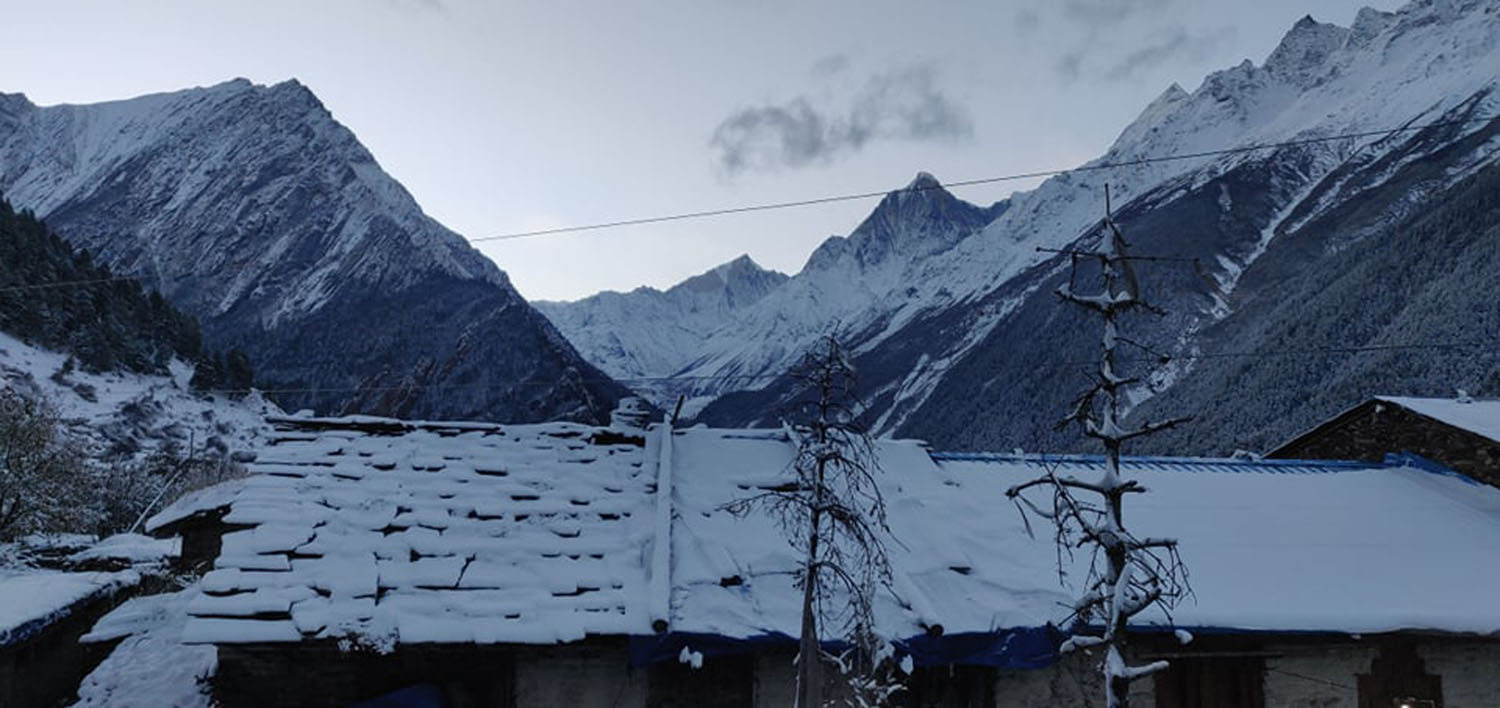
Tinkar Pass (locally known as Tinkar Lipu) sits at the very top of the Tinkar Khola Valley in Darchula District, linking Nepal with Tibet’s Burang County. At 5,258 meters above sea level, it’s not just a dramatic mountain pass it also serves as the first border pillar (No. 1) of the officially demarcated China–Nepal border, as per the 1961 boundary treaty.
To the west lies the controversial Lipulekh Pass, claimed by Nepal but controlled by India. The Tinkar Pass, however, remains Nepal's official northern gateway to Tibet in this region.
Tinkar Valley: Where Borders, Cultures, and Rivers Meet
At an elevation of about 3,650 meters, Tinkar Valley is the principal highland settlement of Nepal's northwestern edge. The Tinkar Khola, a glacial river flowing from the pass, drains into the Mahakali River—which forms Nepal’s western border with India.
The valley is home to three key villages:
- Tinkar: A quiet, resilient village of 80 households.
- Chhangru: Slightly larger, with about 100 households and a winter transhumance destination.
- Ghaga: Located near the confluence of the Tinkar and Nampa Rivers.
The people of the region are primarily Byansi, an ethnic group speaking the Byangsi language, sharing strong kinship and cultural ties with communities in both Indian Kumaon and Tibetan territories.
Trekking to Tinkar Pass: A Hidden Himalayan Trail
While not part of mainstream trekking routes like the Annapurna or Everest region, the trail to Tinkar Pass offers extraordinary rewards for seasoned hikers seeking solitude, culture, and raw wilderness.
What makes this route unique:
- Remote isolation — You’ll trek for days without seeing modern infrastructure.
- Cultural immersion — Meet the Byansi people, whose lifestyle blends ancient Tibetan, Nepali, and Indian traditions.
- Cross-border perspectives — Trek along a route where Nepal, India, and China converge geopolitically.
- High-mountain challenge — Crossing the 5,258m pass is physically demanding but offers epic Himalayan views.
Note: Because this is a restricted border zone, special permits are required for travelers, and the region is best accessed via Simkot or Khalanga Darchula, followed by multiple days of trekking or off-road driving.
Tinkar Pass & Trade Revival: Post-Pandemic Border Movement
The Tinkar border checkpoint reopened recently after being closed since the COVID-19 pandemic. With it, traditional cross-border trade has resumed. According to local authorities:
- Over 180 traders have been issued permits to cross into the Tibet Autonomous Region via Tinkar.
- Goods include local produce, salt, consumer goods, and Tibetan imports.
- The District Administration Office in Darchula monitors permit issuance and trade facilitation.
This has revived age-old trans-Himalayan trade routes once thriving centuries ago, now offering economic lifelines to remote villages.
Must-See Attractions Near Tinkar Pass
While the Tinkar trail is rugged, it’s surrounded by natural and cultural landmarks that are worth every step:
1. Tinkar & Chhangru Villages
Rich in Byansi architecture, Tibetan prayer flags, and centuries-old traditions.
2. Tinkar Khola River Valley
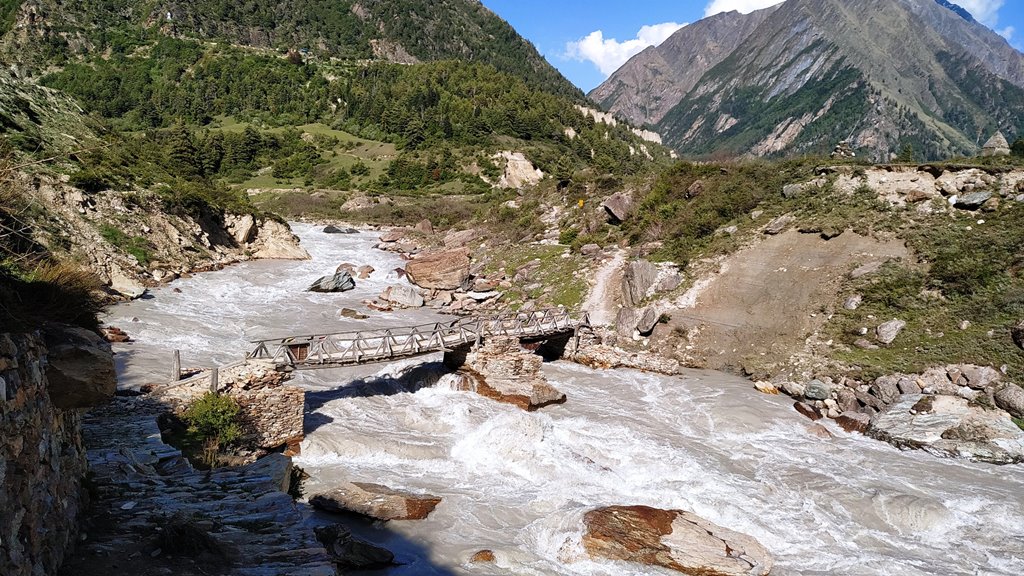
A stunning alpine gorge with crystal rivers, glacial views, and rich biodiversity.
3. Om Parvat (5,590m)
A revered peak near the India-Nepal border, with snow patterns believed to resemble ‘Om’—sacred to both Hindus and Buddhists.
4. Lama Daha and Selma Lakes
Remote, high-altitude lakes with mythological significance and untouched beauty.
5. Leh Buddhist Monastery
A spiritual and cultural outpost in the Byansi region, bridging the spiritual worlds of Tibet and India.
Best Time to Visit Tinkar Valley & Pass
Permit Requirements
Due to its proximity to international borders and restricted areas, you must obtain:
- Restricted Area Permit (issued by Nepal’s Department of Immigration)
- Trekking permit through a registered trekking agency
- Tinkar Border Pass (for traders and residents, issued by DAO Darchula)
How to Reach Tinkar Valley
There is no direct road to Tinkar village from central Nepal. However, options include:
- Fly to Dhangadhi, drive to Khalanga (Darchula HQ), then trek or off-road via Sitapul-Chhangru-Tinkar route.
- Alternate route via Simkot in Humla, then trek through the upper valleys if combining with a Limi Valley or Kailash route.
Due to military and border sensitivity, foreigners may require special security clearance to enter Tinkar Valley. Check with your local agency or contact district officials in Darchula.
Tinkar Pass and Tinkar Valley are more than just borderlands; they are the heart of a shared Himalayan legacy where Nepali, Indian, and Tibetan cultures intersect. Whether you're a historian, a hardcore trekker, or a cultural explorer, this forgotten corner of Nepal offers an unmatched window into ancient trans-Himalayan trade, geo-strategic drama, and resilient borderland life.
In a time of changing borders and reconnecting communities, Tinkar is both past and future, preserved in the high Himalayas.
