
Tsum Valley: Nepal’s Hidden Himalayan Sanctuary of Spirituality and Solitude
Where Is Tsum Valley?
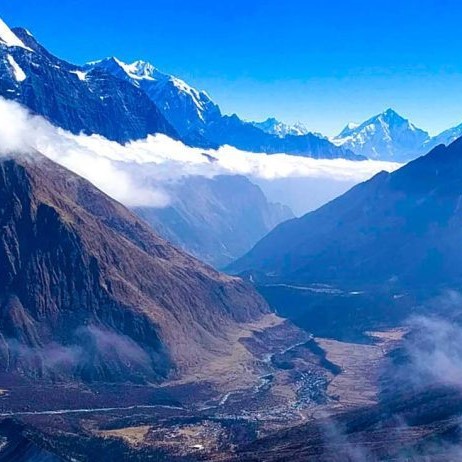
Tsum Valley stretches along the upper reaches of the Budhi Gandaki River, northeast of the main Manaslu trekking route. It’s surrounded by high Himalayan peaks such as Ganesh Himal, Shingri Himal, and Baudha Himal, and shares a remote frontier with Tibet. The entrance to the valley begins near Lokpa, branching off from the Manaslu trail, and continues through deep gorges and ancient pine forests until it opens into a wide, spiritual basin.
Who Are the Tsumbas?
The valley is home to around 1,810 people living across 33 villages in about 529 households. The indigenous inhabitants, known as the Tsumbas, are of Tibetan origin and speak a dialect known as Tsumke or Tsumba, which stems from classical Tibetan.
The Tsumbas are deeply spiritual and follow Tibetan Buddhism with traces of Bon, the ancient pre-Buddhist faith of Tibet. Their day-to-day life revolves around religious devotion, yak herding, and subsistence agriculture primarily growing potatoes, barley, and millet at high altitudes. Their villages are characterized by traditional stone houses, communal pastures, and prayer flag-covered trails leading to hillside monasteries.
A Spiritual Time Capsule
Tsum Valley is often referred to as a "hidden valley of meditation". It’s said that the revered Buddhist saint Milarepa once meditated in caves here, making it a sacred site for Tibetan pilgrims. The valley is adorned with monasteries, chortens (stupas), mani walls (stone slabs with prayer carvings), and ancient cave hermitages that continue to be used today.
Monasteries such as Mu Gompa (the largest and most remote in the valley), Rachen Gompa, and Gumba Lungdang are still centers of active worship, monastic education, and meditation practice.
Every home in the valley contains a small altar, and the sound of prayer wheels and chanting mantras fills the air making every moment feel like a step inside a living spiritual mandala.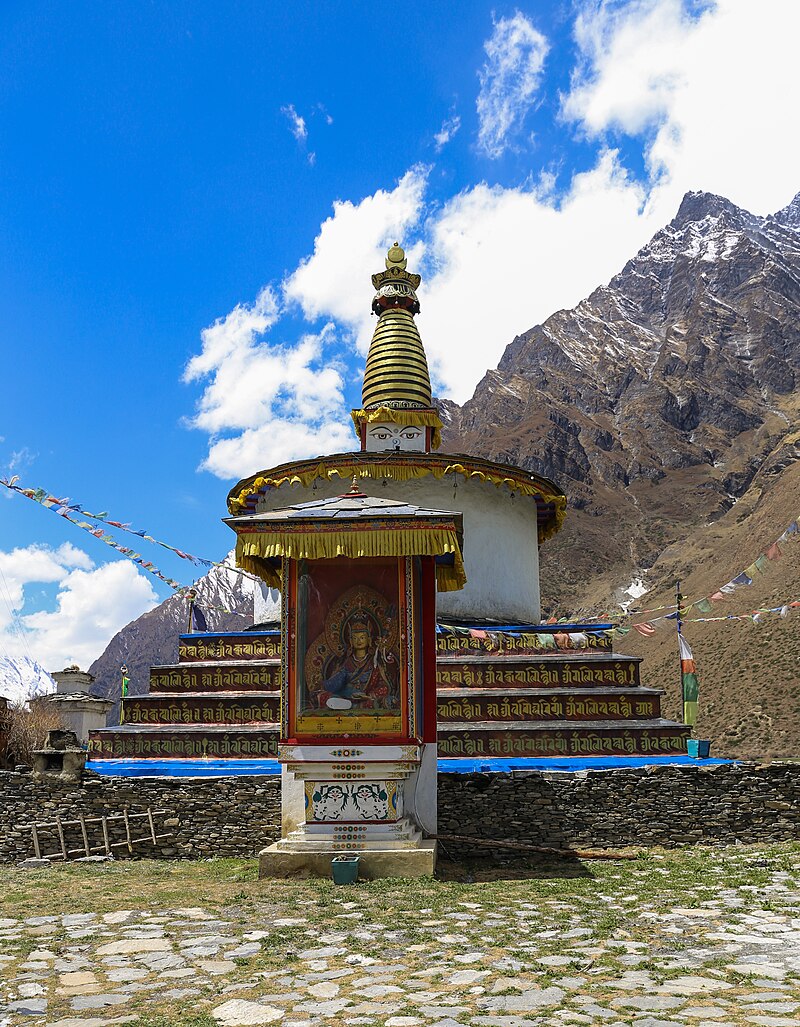
Untouched Natural Beauty
Tsum Valley’s natural landscape is just as breathtaking as its culture. As you trek along narrow trails and wooden bridges, you pass through thick forests of pine and rhododendron, terraced farmland, waterfalls, and high alpine pastures. Prayer flags flutter in the wind across cliffside chortens while the snow-covered peaks of Ganesh Himal, Shingri Himal, and Baudha Himal tower above.
The Shiar Khola river flows serenely through the valley floor, while side trails lead to glacial lakes and sacred caves used by hermits. With no roads and no commercialization, the entire region feels like a Himalayan realm frozen in time.
Trekking to Tsum Valley
Access
- Start from Arughat or Machha Khola (Gorkha District)
- Trek follows the Manaslu route until Lokpa, then diverges northeast into the Tsum Valley
- Duration: 12–14 days (Tsum-only) or 18–21 days (with Manaslu Circuit)
Trek Facts
- Trek Grade: Moderate
- Max Altitude: ~3,700 m (Mu Gompa)
- Accommodation: Basic teahouses and homestays
- Permit: Restricted Area Permit (via government-registered trekking agency only)
- Best Seasons: March–May & September–November
Culture, Rituals, and Festivals
The Tsumbas follow a lunar calendar, and the rhythm of their year is marked by colorful religious festivals. One of the most important events is Losar (Tibetan New Year), celebrated with rituals, mask dances, and community gatherings. Monks play a central role in every ceremony — from house blessings to major rituals.
Key Monasteries to Visit:
- Mu Gompa: Sacred, remote, and perched at the northern edge of the valley
- Rachen Gompa: A major nunnery with stunning murals and serene surroundings
- Gumba Lungdang: Requires a steep hike but offers panoramic views and deep spiritual ambiance
Why Trek Tsum Valley?
Tsum Valley offers more than a trek it offers a transformational journey through a spiritual corridor few have witnessed. It's perfect for:
- Trekkers seeking quiet trails and raw beauty
- Cultural travelers wanting to experience authentic Tibetan Buddhist life
- Spiritual seekers drawn to monasteries and sacred landscapes
- Photography lovers seeking ancient villages and mountain vistas without crowds
