
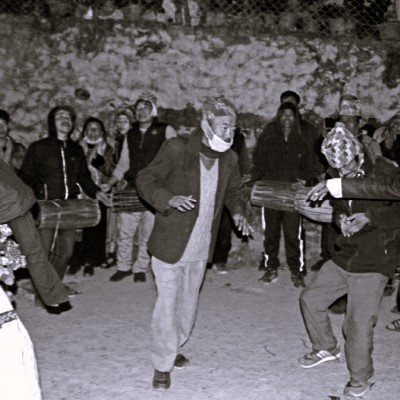
Wadangmet (Papani / Wadangmi) Festival Guide to the Tradition
Wadangmet — sometimes written Wadangmi or known locally as Papani — is a communal festival celebrated mainly by the Aathpahariya and Rai groups in the eastern hills of Nepal (especially around Dhankuta and Khalsa). It is both solemn and joyful: a time to honour ancestors and deceased relatives while also rejoicing in births, harvests and social renewal. Celebrations typically take place in the Nepali month of Mangsir (roughly November–December) and can last several days with continuous music, ritual and dance. myRepublica+1
Historical & cultural background
Wadangmet has deep roots in the Mundhum oral tradition and the social life of the Kirati (Rai) communities. It blends ancestor veneration with seasonal rituals tied to agricultural cycles and social rites (for example, the welcoming of newborns and the formal recognition of new household members). Over generations, the festival has been a focal point for communal identity — preserving songs, ritual specialists (e.g. Bijuwas who chant Mundhum), and collective dances that narrate local history and cosmology. ichlinks.com
When & where it’s celebrated
When: Most commonly observed in Mangsir (November–December), often beginning after Tihar and aligning with local lunar-solar calendars used by Rai groups. The festival’s timing and length vary by locality (some places celebrate for a week or more). lib.icimod.org+1
Where: Strongest presence in Dhankuta district and adjacent eastern hill areas — villages such as Khalsa, Hile and multiple wards of Sahidbhumi Rural Municipality host major events. Municipal authorities sometimes formally recognize the festival period (e.g., public holidays have been declared for Wadangmet celebrations). myRepublica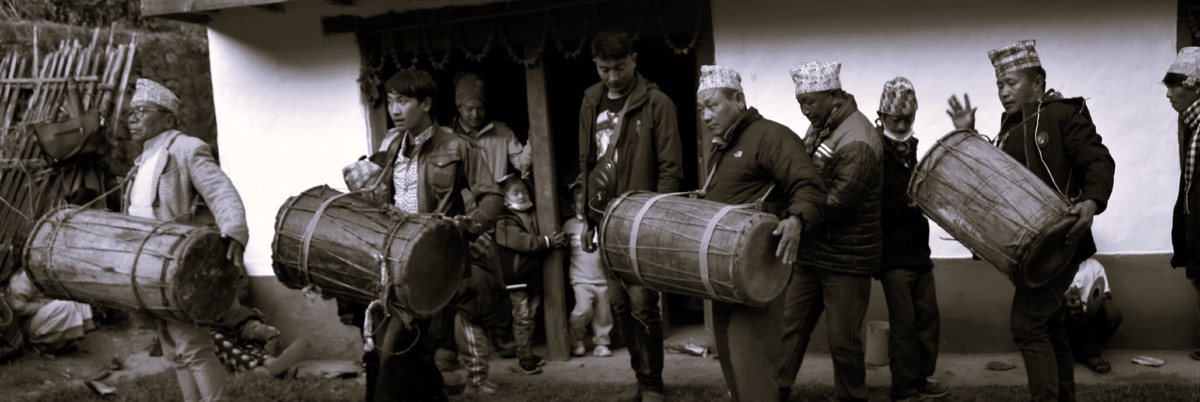
Core rituals & what you’ll see
Wadangmet is richly performative and multi-layered. Key elements include:
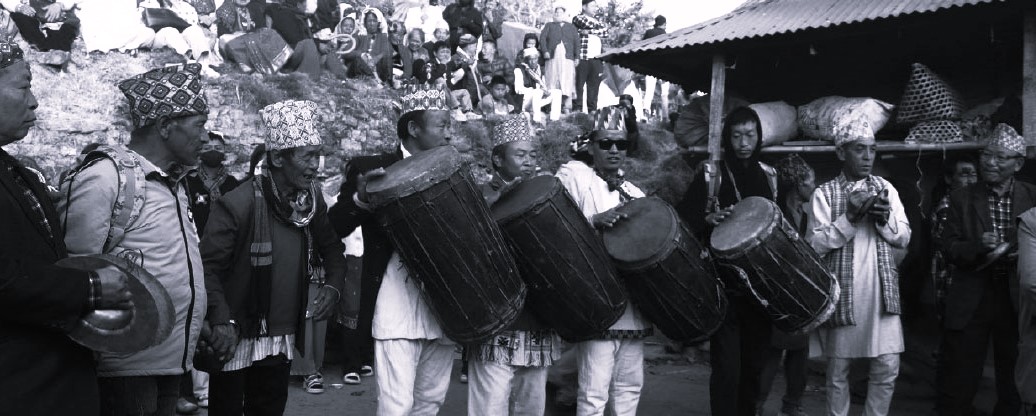
Dhol and Jhyamta music: Hidden during the year, the community brings out drums and cymbals to play continuously during the festival — a sonic marker of communal joy. ichlinks.com
Papani / Wadangmi dance forms: Line or circle dances where participants step in unison — often described as stepping “three forward, three back” while singing songs of love, community and devotion. These dances create strong visual cohesion and are a hallmark of the celebration. Wikipedia
Maruni and other folk dances: In some localities Maruni-style performances and other regional folk dances form part of the entertainment and ritual expression. facebook.com
Ancestral rites & offerings: Ritual specialists conduct ceremonies to honour progenitors and spirits (Mundhum chanting, offerings such as rice or releasing doves in some places), balancing remembrance with renewal. ichlinks.com
Social customs: Historically the festival was also a socially important time for matchmaking, joking, and, in some places, for bridegroom/bride customs that reinforced community bonds. ichlinks.com
Why it matters to locals — and why it’s compelling for visitors
For local communities, Wadangmet is a concentrated expression of identity — it safeguards ritual specialists, traditional songs, and village-level solidarity. For visitors, the festival offers an authentic, living-cultural experience: prolonged communal dances, vibrant costumes, and an inside view of how ritual renews social ties after the harvest season. Because the festival entwines solemn ancestor rites with exuberant public festivities, it provides a rare ethnographic glimpse into how communities simultaneously mourn, celebrate, and reaffirm belonging. ichlinks.com
Practical information for respectful visitors
If you plan to visit Wadangmet or to document it:
Timing matters: Plan for Mangsir (Nov–Dec) and consult local calendars — celebrations can shift by village. lib.icimod.org
Ask permission: Always obtain local permission before photographing rituals, ritual specialists, or private ceremonies. Many rites are sensitive and meant primarily for community participants. ichlinks.com
Dress & behavior: Modest dress and restrained behaviour are expected during ancestor-ritual segments; during public dances you may be invited to join — but only after invitation.
Gifts & offerings: If you are invited into a ritual context, follow the lead of your hosts regarding offerings; bringing small gifts for children or local hosts is appreciated but not required.
Support local economy: Hire local guides, musicians, or homestays rather than large commercial operations — it returns value directly to the community custodians of the festival.
Tourism, ethics & conservation concerns
Wadangmet is an invaluable cultural resource. Increased tourism can create income but also risks commodifying sacred practices or accelerating youth out-migration (which can weaken ritual continuity). Ethical cultural tourism should be community-led — festival schedules, visitor limits, and revenue-sharing should be set by local committees. Organizations and tour operators should prioritize long-term cultural safeguarding over short-term profit. lib.icimod.org
How Mountain Tiger Nepal can help (why contact MTN)
Mountain Tiger Nepal (MTN) can help you plan a culturally sensitive Wadangmet visit by:
Coordinating local guides and translators who are accepted by host communities.
Arranging homestays and community-based experiences so your visit supports local livelihoods.
Handling logistics (transport, permits, staying options in Dhankuta/Hile, and respectful photography arrangements).
Preparing pre-visit cultural briefings for groups so visitors understand rituals, taboos, and appropriate conduct.
If you’d like a tailored Wadangmet cultural trip, MTN can design an itinerary that pairs festival attendance with nearby cultural and natural attractions — ensuring your visit is immersive, respectful, and beneficial to host communities. Contact: sales@mountaintigernepal.com or visit www.mountaintigernepal.com.
References (sources cited)
Republica — Public holiday declared in Dhankuta district for Wadangmet festival. myRepublica
ICIMOD / HI-GIRD report — Wadangmet (Mangsir) festival notes & regional context. lib.icimod.org
ICHLinks — Wadangmet: The Dancing festival of Chhilings / Papani descriptions. ichlinks.com+1
The Rising Nepal / RisingNepalDaily — Rais in Khalsa, Dhankuta, busy marking Papani festival (reporting rituals, Mundhum, and local practice).
Ekantipur / Kantipur — The grand festival of Athapaharia, Wadangmet, begins (local coverage).
Bibliography & further reading / multimedia
YouTube — Exploring Dhankuta / Wadangmet episodes and local documentaries (visual context and on-the-ground footage). YouTube
Royal Mountain Travel — Experience the hidden festival of Mangshire (Wadangmet) — tourism perspective and community experiences. royalmt.com.np
RisingNepalDaily — photo-features and local event coverage about Papani and Wadangmet. Rising Nepal
