

Walking for the Himalayas: How Community Walkathons Are Funding Local Schools
In Nepal’s remote mountain villages, education is a daily challenge. With schools often miles away, children trek for hours across steep trails to reach a classroom. In response to this reality, a growing movement has begun to turn those same trails into powerful fundraising platforms. Community walkathons, long-distance group walks organized to raise awareness and support, become an effective way to fund education in some of Nepal’s most isolated regions.
This blog highlights real-world examples of educational walkathons, shares the voices of those involved in organizing them, and explores the measurable impacts of such initiatives. It concludes with how Mountain Tiger Nepal can contribute to this movement by designing and managing community walkathons across the Himalayas.
Real Examples of Walkathons Supporting Education in Remote Areas
1. Saipal Footsteps Challenge – Bajhang District (2024)
Organized by a local youth group in collaboration with community schools, the “Footsteps Challenge” encouraged villagers to collectively walk 50 kilometers over one week to raise funds for educational materials. The initiative provided solar lamps, notebooks, and school bags to hundreds of students in Bajhang and Darchula.
Source: Local Education Group Report, 2024
2. Annapurna Education Loop (2023, Pilot Program)
A 10-day walkathon between Ghandruk and Chhomrong brought together Nepali educators and international trekkers to raise awareness about girls’ education. The funds collected were used to offer scholarships and reopen a village library.
Source: Field note from Annapurna Trek Alliance, 2023
3. Langtang Literacy Walk – Planned for 2025
A proposed community walkathon in Langtang Valley intends to raise resources for establishing mobile libraries and supporting digital access to learning tools. The route will trace spiritual heritage trails while highlighting the importance of education after the 2015 earthquake recovery.
Source: Langtang School Committee Proposal, 2025
Impact Stats from Completed and Proposed Walkathons
Though walkathons for education are still relatively new in Nepal, available data from past events and proposals suggest strong potential for impact.
Note: The above statistics reflect data from partner organizations and grassroots-led initiatives between 2023–2025.
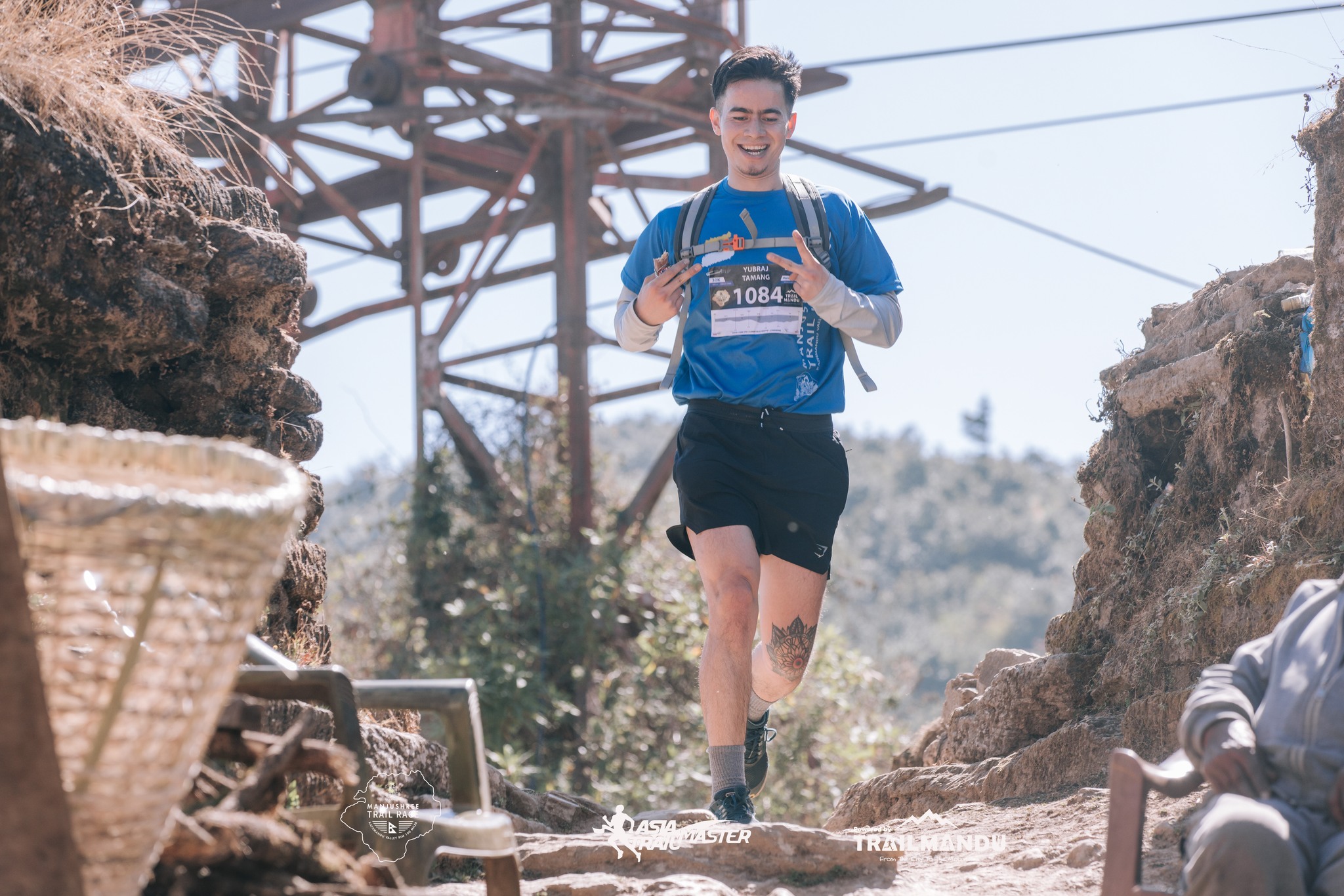
How Mountain Tiger Nepal Can Plan and Manage Walkathon Logistics
As a company with deep roots in Himalayan travel and local logistics, Mountain Tiger Nepal is well-positioned to support, coordinate, and scale walkathon-based initiatives for educational impact. Here's how the planning and execution can work:
1. Route Design and Trail Mapping
- Identify safe, meaningful routes near villages with educational needs
- Prioritize culturally significant and scenic trails to enhance participation
- Include checkpoints for rest, hydration, and storytelling stations
2. Local Coordination and School Engagement
- Collaborate with village school committees and local youth clubs
- Involve teachers and students in pre-event awareness drives
- Set clear goals: e.g., library restoration, tech kits, or infrastructure
3. Registration and Participant Management
- Offer both local and international registration via online platforms
- Include optional fundraising targets per participant or per km walked
- Design merchandise and tokens to build identity and motivation
4. Logistics and Safety Management
- Provide trail signage, medical support, volunteer marshals, and refreshments
- Hire local guides and homestay partners for economic benefit
- Ensure waste-free operations with eco-friendly event policies
5. Storytelling, Media, and Reporting
- Document the walk through video, photography, and local interviews
- Share stories from students and participants
- Maintain transparent post-event reporting to all supporters and sponsors
6. Hybrid & Virtual Participation Options
- Enable diaspora and international supporters to walk in solidarity from their home countries
- Use virtual apps or step trackers to connect global participants with local causes
- Include social media challenges or awareness campaigns
By integrating walkathons into its social impact model, Mountain Tiger Nepal can connect its adventure tourism expertise with long-term community development. Each event will not only promote responsible travel but also create measurable improvements in Nepal’s education sector especially in regions where access remains a challenge.
Conclusion
Walkathons across the Himalayas are proving to be more than symbolic walks; they are strategic, community-based actions with the power to uplift generations. They turn hardship into hope and trails into tools of transformation. For children walking hours to reach school, every kilometer matters. And for those walking alongside them in solidarity, every step is an opportunity to make a difference.
As Mountain Tiger Nepal, we stand ready to organize, facilitate, and amplify these efforts ensuring that every purposeful walk leaves a footprint that leads to change.
