
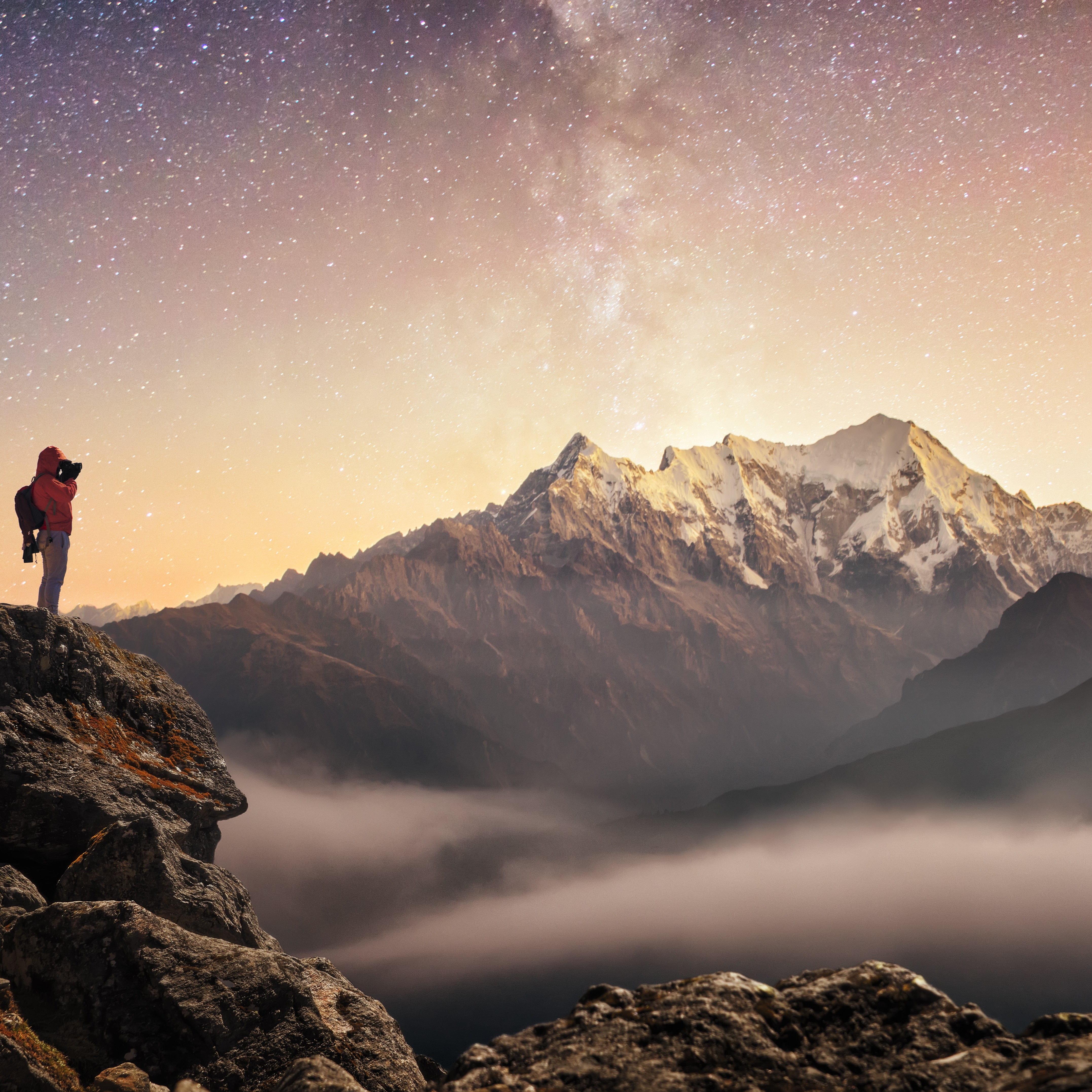
Walking the Valley of Glaciers: Why Langtang is Nepal’s Most Underrated Trek
Nepal is a land of iconic trekking routes Everest Base Camp and the Annapurna Circuit often steal the spotlight. Yet tucked away just north of Kathmandu, hugging the Tibetan border, lies a gem that many travelers overlook: the Langtang Valley Trek.
Known as the “Valley of Glaciers”, Langtang offers everything trekkers dream of: breathtaking Himalayan views, encounters with rare wildlife, authentic Tamang culture, and the chance to hike to high viewpoints like Kyanjin Ri (4,773m) and Tsergo Ri (4,984m). Add to that the region’s remarkable comeback from the 2015 earthquake, and trekking Langtang is not just an adventure it’s a journey of connection and purpose.
Where is the Langtang Valley?
Langtang Valley lies about 30 kilometers north of Kathmandu, within Langtang National Park, Nepal’s first Himalayan national park established in 1976. Despite being so close to the capital, the valley feels like another world, a narrow gorge that opens into expansive glacial basins, dotted with yak pastures, monasteries, and traditional stone houses. The trek begins in Syabrubesi, a small settlement accessible by a scenic drive from Kathmandu. From there, the trail climbs gradually through lush rhododendron and oak forests before entering high alpine meadows and ultimately reaching the spiritual hub of Kyanjin Gompa (3,830m).
Why the Langtang Trek is Nepal’s Best-Kept Secret
While Everest and Annapurna see tens of thousands of trekkers each year, Langtang remains blissfully quieter. Here’s why it deserves more attention:
-Himalayan Giants Without the Crowds
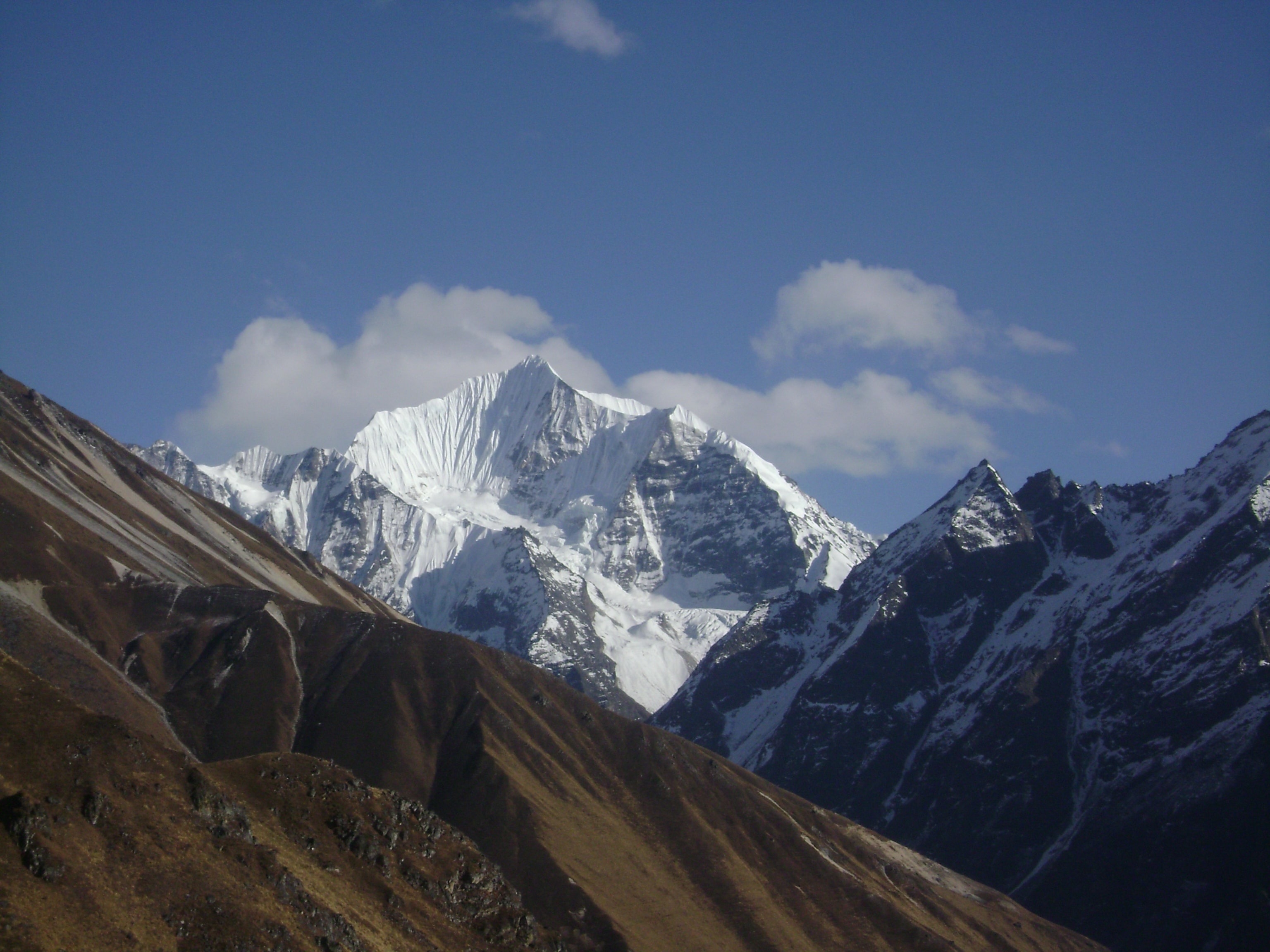
Stand in awe of towering peaks like Langtang Lirung (7,234m), Langtang Ri (7,205m), and Dorje Lakpa (6,966m). On clear days, the entire skyline glitters with ice and rock, yet without the congestion of busier routes.
-Tamang & Tibetan Culture
The Langtang region is home to the Tamang people, one of Nepal’s oldest ethnic groups, with strong Tibetan roots. Monasteries, prayer flags, mani walls, and yak caravans enrich the journey with cultural depth.
-Yak Cheese & Local Delights
At Kyanjin Gompa, trekkers can visit a decades-old cheese factory that produces yak cheese — a tangy, smoky delicacy you’ll only find here. It’s the perfect snack after a long day of trekking.
-Wildlife Encounters in Langtang National Park
The park is a sanctuary for rare species: red pandas, Himalayan black bears, snow leopards, musk deer, and more than 250 bird species. Even if you don’t spot them, knowing you’re trekking through their habitat adds magic to the journey.
-A Region Rebuilt with Resilience
The 2015 earthquake devastated Langtang, wiping out entire villages. Today, rebuilt teahouses, restored monasteries, and smiling locals symbolize a valley rising again. Trekking here directly supports families who depend on tourism for their livelihood.
Day-by-Day Langtang Trek Itinerary (10 Days)
This itinerary blends steady acclimatization with cultural immersion and scenic highlights.
Day 1: Arrival in Kathmandu (1,400m)
- Explore the bustling city and prepare for your trek.
Day 2: Drive from Kathmandu to Syabrubesi (1,503m) – 7 to 8 hours
- Scenic journey through terraced hills, rivers, and villages.
Day 3: Trek to Lama Hotel (2,480m) – 5 to 6 hours
- Walk through dense forests alive with monkeys and birds.
Day 4: Trek to Langtang Village (3,430m) – 5 to 6 hours
- Arrive at a village that beautifully blends culture and mountain views.
Day 5: Trek to Kyanjin Gompa (3,830m) – 4 to 5 hours
- Visit the famous cheese factory and explore the monastery.
Day 6: Acclimatization Day – Hike to Kyanjin Ri (4,773m) or Tsergo Ri (4,984m)
- Experience unforgettable Himalayan panoramas.
Day 7: Trek back to Lama Hotel (2,480m) – 5 to 6 hours
Day 8: Trek back to Syabrubesi (1,503m) – 4 to 5 hours
Day 9: Drive back to Kathmandu (1,400m) – 7 to 8 hours
Day 10: Departure
Optional: Shorten to 6 trekking days if pressed for time.
Practical Trekking Information
Fitness & Difficulty
- Moderate trek suitable for beginners with preparation.
- Expect 5–7 hours of walking per day.
- Highest point: Tsergo Ri (4,984m).
- Prepare with cardio, hiking practice, and basic strength training.
Altitude Sickness Awareness
- Symptoms: headache, nausea, dizziness.
- Acclimatize with slow ascent and a rest day at Kyanjin Gompa.
Hydrate well and descend if symptoms worsen.
Accommodation
- Teahouses: cozy, family-run lodges offering hot meals and shared rooms.
- Food: Dal Bhat (rice & lentils), noodles, soups, momos, and yak cheese specialties.
Connectivity
- Patchy mobile service.
- Wi-Fi available in some teahouses (extra charge).
- Embrace the digital detox.
Permits Required
- Langtang National Park Permit: USD 30 (foreigners), USD 15 (SAARC).
- TIMS Card: Required for all trekkers.
Best Seasons
- Spring (March–May): Wildflowers and clear skies.
- Autumn (September–November): Crisp air, best visibility.
- Winter (Dec–Feb): Cold but peaceful.
- Monsoon (Jun–Aug): Trails slippery, leeches, and poor visibility.
Sustainable Trekking in Langtang
To protect this fragile ecosystem and support local communities:
- Carry a reusable bottle + water purification tablets.
- Avoid plastic waste; refill at lodges.
- Stay in locally owned teahouses.
- Respect monasteries and local customs.
- Leave no trace, take back everything you bring.
Final Thoughts: Why Langtang Should Be Your Next Trek
The Langtang Valley Trek is the perfect balance of accessibility, adventure, and cultural immersion. You don’t need weeks off or a domestic flight within just a few days of leaving Kathmandu, you’re standing beneath Himalayan giants, sipping yak butter tea, and watching prayer flags flutter in the mountain wind.
It’s a trek that heals, both for the traveler seeking peace and for a valley that continues to rebuild with courage. If you’re searching for Nepal’s best underrated trek, Langtang is waiting.

