
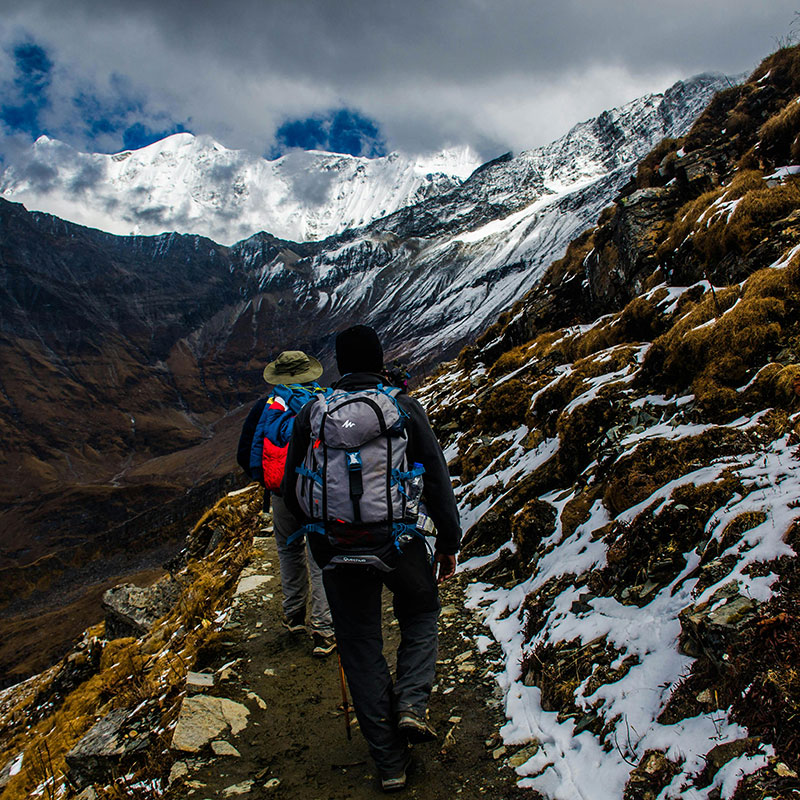
What First-Time Trekkers in Nepal Wish They Knew: 10 Insider Tips
Planning your first trek in Nepal? It's an adventure that will stay with you forever. The himalayas, quaint villages, and friendly locals create memories you'll cherish for years to come. But many new trekkers wish someone had given them straight advice before they started. After helping many first-timers navigate these beautiful trails, we Mountain Tiger Nepal have gathered the most important things they wish they'd known. These ten valuable tips will help you avoid common mistakes and fully enjoy your Himalayan journey. Whether you're 18 or 80, proper preparation makes all the difference between a challenging experience and a truly rewarding one.
Choose the Right Trek for Your Fitness Level
Nepal offers treks ranging from easy (Ghorepani Poon Hill) to strenuous (Everest Base Camp). Research the daily elevation gain, distance, and terrain. If you’re not an avid hiker, start with a shorter, less demanding trek. Train with cardio, strength exercises, and practice hikes with a loaded backpack at least 2-3 months prior.
Pack Light but Smart
Overpacking is a common mistake. Aim for a 7-10 kg backpack (excluding what porters carry). Essentials include layered clothing (moisture-wicking base, fleece, waterproof jacket), sturdy trekking boots, a good sleeping bag (rated for -10°C for high-altitude treks), and a reusable water bottle. Don’t forget a basic first-aid kit and water purification tablets.
Acclimatize Properly to Avoid Altitude Sickness
Altitude sickness can hit above 2,500 meters. Follow itineraries with built-in acclimatization days (e.g., at Namche Bazaar for EBC). Stay hydrated, ascend gradually, and learn symptoms (headache, nausea). Diamox can help, but consult a doctor first. Descend immediately if symptoms worsen.
Hire a Local Guide or Porter
A licensed guide ensures safety, navigation, and cultural insights, while porters ease your load. They’re affordable ($20-30/day) and support local communities. Book through reputable agencies to ensure fair wages. Solo trekking is discouraged in remote areas due to risks.
Budget for Hidden Costs
Beyond the trek package ($500-$2,000 depending on the route), factor in permits (e.g., TIMS card, national park fees: $20-50), tips for guides/porters ($5-10/day each), extra food/drinks (tea houses charge $2-5/item), and Wi-Fi/charging ($2-5 each at higher altitudes).
Respect Local Culture and Etiquette
Nepal’s trails pass through diverse communities (Sherpa, Tamang, etc.). Dress modestly (cover shoulders and knees), ask before photographing people, and greet with “Namaste.” Avoid public displays of affection and respect sacred sites by walking clockwise around stupas.
Prepare for Basic Facilities
Tea houses offer simple lodging (shared rooms, basic toilets), but don’t expect hot showers or reliable electricity above 3,500 meters. Carry a headlamp, power bank, and biodegradable toiletries. Food is hearty (dal-bhat-tarkari) but repetitive, so pack energy bars for variety.
Get the Right Insurance
Standard travel insurance often excludes high-altitude trekking. Get coverage for altitudes up to 6,000 meters and emergency helicopter evacuation (common for altitude sickness). Get yourself a reputed travel agency to plan your complete trip so you can stay hassle free throughout.
Time Your Trek for Weather and Crowds
Peak seasons (March-May, September-November) offer clear skies but crowded trails. Shoulder seasons (late February, early December) can be quieter with decent weather. Monsoon (June-August) brings rain and leeches, while winter (December-February) is very cold but serene.
Learn Basic Nepali Phrases
Locals appreciate efforts to speak Nepali. Learn greetings (“Namaste”), “Thank you” (“Dhanyabad”), and trail terms like “Bistarai” (slowly). It builds rapport with tea house owners and guides, enhancing your cultural experience.
Trekking Equipments
For trekking in Nepal, you'll need a variety of equipment, clothing, and materials to ensure your comfort, safety, and success on the journey. Here's a comprehensive list:
Please note: if you make us your travel partner we will provide a Sleeping Bag containing sleeping bag liners which are graded to be used up to -10°C. We additionally provide a 75 liters Duffle Bag and Trekking Poles to use for the trek.
Clothing
- Moisture-wicking base layers (Top and Bottom)
- Insulating layers (Fleece or Down Jacket)
- Waterproof and windproof outer shell jacket and pants
- Trekking pants and shorts
- Long-sleeve shirts and T-shirts
- Thermal gloves and waterproof gloves
- Beanies and Sun Hat
- Hiking socks and liner socks
- Gaiters (Neck/Leg)
- Scarfs and Balaclavas
Footwear
- Well fItted Hiking Boots with Ankle support
- Ice Cleats (For Winter Months)
- Casual Shoes and Sandals
Equipment
- Backpack (40-50 liters) with rain cover.
- Sleeping bag suitable for cold temperatures
- Trekking poles
- Headlamp with extra batteries
- Sunglasses with UV protection
- Water bottles or hydration system
- Hydration bladder
- Toiletries (toothbrush, toothpaste, biodegradable soap, etc.)
Creams and Medications
- Tinted Sunscreen SPF 50 and above.
- Moisturizer
- Lip Balm
- Healing Ointment
- Mosquito Repellent Cream
- Cough Syrup
- Medication for your Allergies
- Blister Kit
Miscellaneous
- Waterproof cover for your backpack
- Energy Bars and Trial Mix
- Quick-dry towel
- Personal identification and necessary permits
- Money (cash) in small denominations
- Passport-size photos for permits
- Power bank or extra batteries
- Wet Wipes
- Pee bottle / Pee funnel for women
- Pillow Case
Remember, this list may vary based on personal preferences and the time of year you undertake the trek. This list is a generalization of varying trekking routes available in Nepal. Ensure that your gear is of good quality and suits the specific conditions of your trekking region.
