
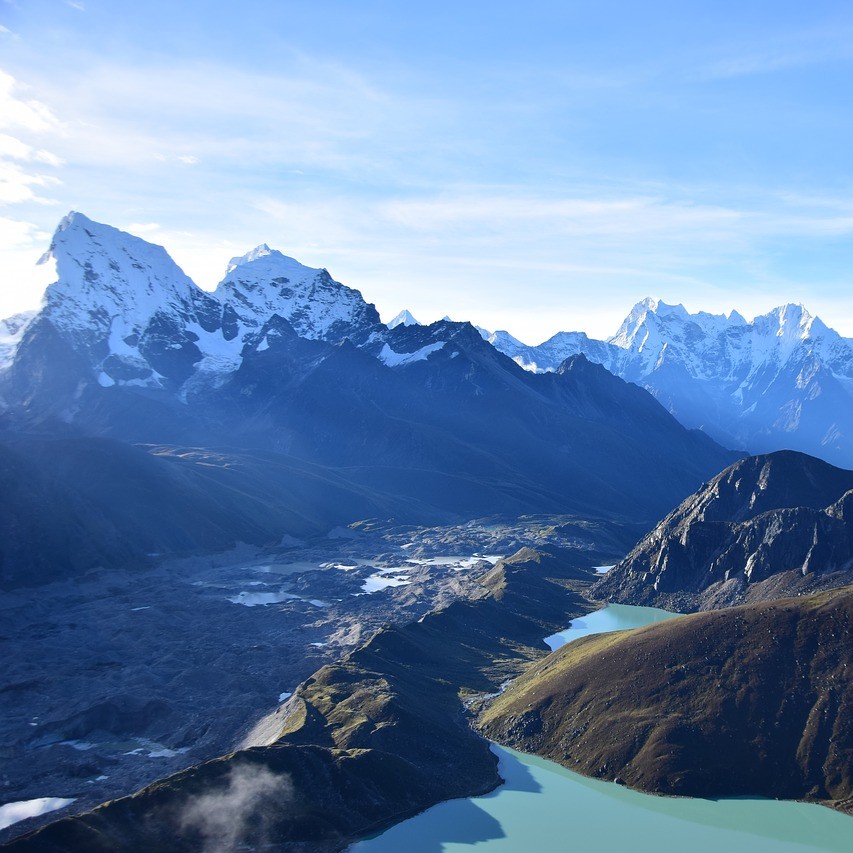
What the Villages on the EBC Trek Teach Us About Resilience
Trekking to Everest Base Camp (EBC) is often described in terms of altitude, breathtaking peaks, and challenging trails. But for those who slow down and look beyond the snow-capped horizon, it is the villages along the trail that leave the deepest mark, each telling a story of resilience, community, and survival against the odds.
Namche Bazaar: The Heartbeat of the Khumbu
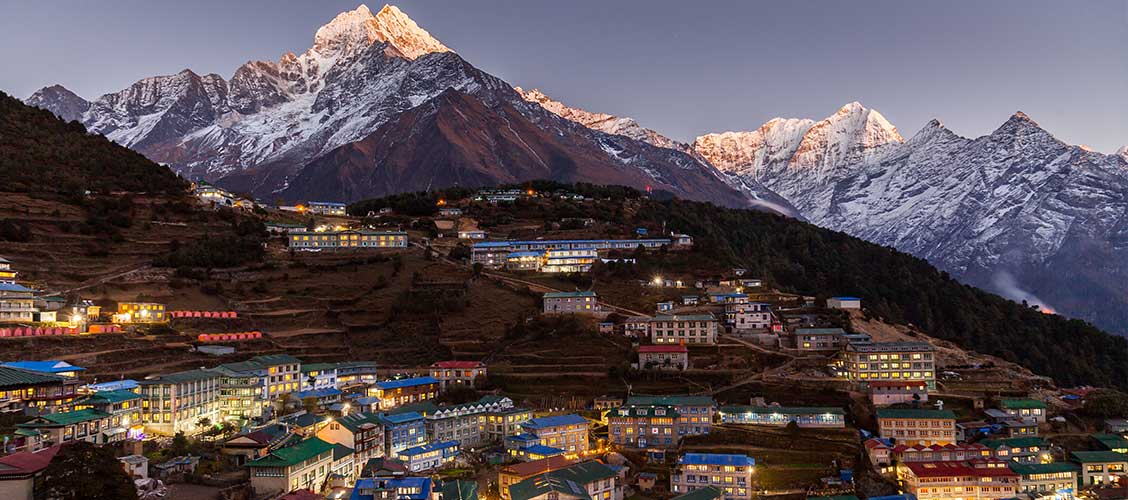
At 3,440 meters, Namche Bazaar is not just a stopover it’s a hub of adaptation and survival. The bustling market, teeming with trekkers and locals, reflects how the Sherpa community has thrived in one of the harshest environments on Earth.
Families here run tea houses, small shops, and trekking services, often braving heavy snowfall and landslides. Every structure is a testament to ingenuity: stone-built houses with slate roofs that endure Himalayan winters. First-time trekkers may marvel at the architecture, but a closer look reveals resilience woven into everyday life.
Khumjung and Khunde: Traditions That Withstand Time
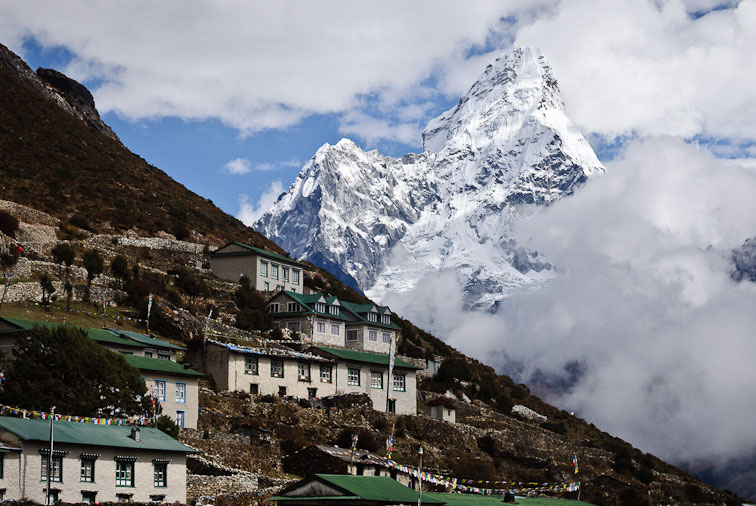
Further along, villages like Khumjung and Khunde show how culture itself becomes a form of resilience. These communities, largely inhabited by Sherpas, have preserved centuries-old traditions, even as tourism changes their economy.
- The Khumjung Monastery stands as both spiritual and social anchor, helping villagers navigate challenges like harsh winters or the aftermath of earthquakes.
- Local schools and healthcare posts, often set up with international aid, demonstrate a commitment to collective survival and growth.
Trekking past these villages, you realize that resilience isn’t only about enduring nature—it’s about safeguarding culture, knowledge, and community spirit.
Pangboche and Dingboche: Living with the Elements
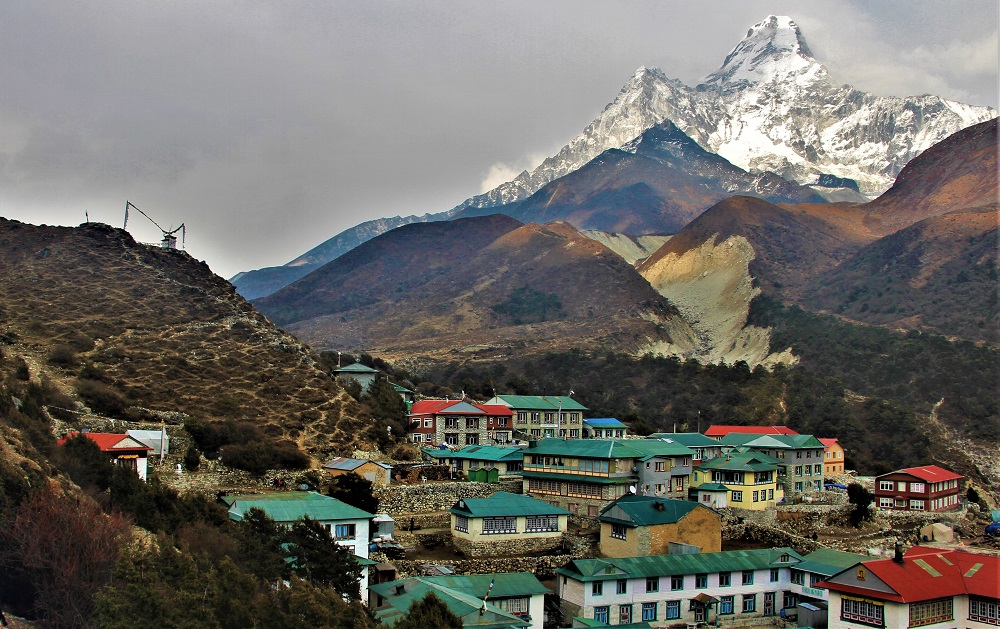
At higher altitudes, villages like Pangboche and Dingboche highlight human fortitude in the face of extreme weather. Residents cultivate crops on terraced fields, despite rocky soil and short growing seasons. Livestock yaks, goats, and sheep provide sustenance, fuel, and trade goods.
During harsh winters, paths are often blocked by snow, yet life continues. Every home, every rooftop, every prayer flag signals adaptation, endurance, and faith. For trekkers, these villages are a lesson in persistence: thriving where survival seems almost impossible.
Lessons for Trekkers
Walking from village to village, trekkers pick up subtle lessons in resilience:
- Community Matters: Cooperation and shared responsibilities ensure survival at high altitudes.
- Adaptation is Key: Homes, lifestyles, and even festivals evolve with the environment.
- Cultural Heritage is Strength: Maintaining language, traditions, and rituals helps anchor identity amid change.
- Optimism in Hardship: Despite natural disasters, economic challenges, and climate unpredictability, villagers greet each day with hope and hospitality.
Beyond Peaks: Humanity at EBC
While Everest dominates the skyline, the real awe comes from the people who call this region home. The Sherpa, Tamang, and other ethnic communities along the EBC trail teach a subtle but profound lesson: resilience is not just surviving; it’s thriving, adapting, and preserving identity in the face of adversity.
For trekkers, each village is more than a stop; it's a living classroom. Beyond photographs and selfies, it’s the stories, smiles, and struggles of local people that remain etched in memory long after descending from the Himalayas.
