
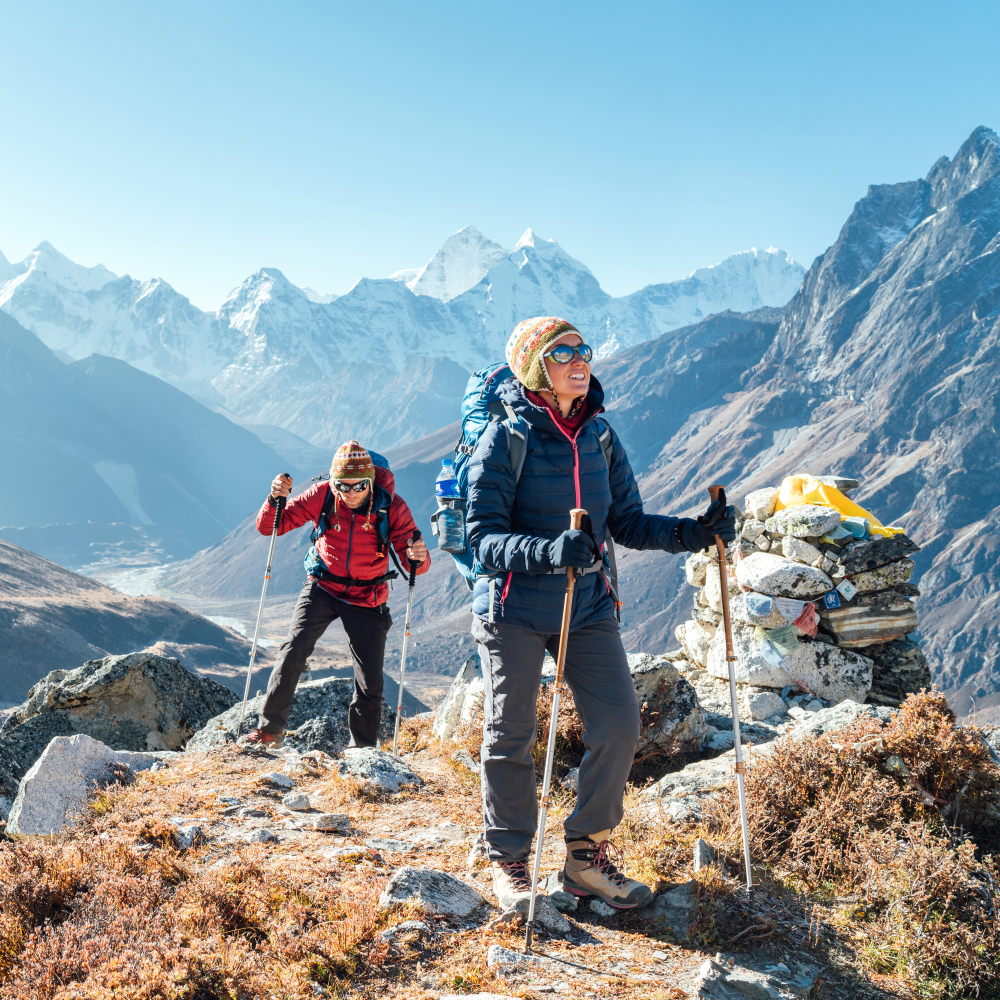
What to Expect on a Trek in Nepal?
Nepal sits right in the heart of the Himalayas and has earned its reputation as one of the world's premier trekking destinations. From the famous Everest Base Camp Trek to the less-traveled Upper Mustang Trek, Nepal offers something for every adventure seeker.
If you've been researching trekking destinations, you've likely noticed how Nepal dominates search results. You might wonder: is it truly worth all the attention it receives?
Let me walk you through everything you should know about trekking in Nepal. From the types of treks available to what a typical day looks like, where you'll stay, what you'll eat, and what challenges you might face along the way.
Types of Trekking Routes in Nepal
What makes Nepal so special are its panoramic landscapes, diverse ecosystems, unique villages, and rich cultural heritage. These elements combine to create an unforgettable experience for trekkers from around the world.
Nepal offers various trekking routes ranging from moderate to strenuous, catering to different preferences and abilities. These routes are generally categorized based on:
- Weather conditions
- How commercialized they are
- Their popularity
- Whether they're off the beaten path
- Type of accommodation available
You'll find both teahouse treks and camping treks in Nepal. Teahouse treks are more comfortable, providing traditional meals and lodging along the route which is ideal for beginners. In contrast, camping treks like the Upper Dolpo and Dhaulagiri Circuit require more experience as your group must carry everything: tents, cooking equipment, food, and other essentials.
While camping treks are physically more demanding and logistically challenging, they offer serious adventure enthusiasts unparalleled solitude and pristine wilderness experiences.
A Typical Day on a Trek
If you are planning to visit Nepal for your next trekking experience, you might want to know what a typical day on a trek in Nepal looks like. You will usually have a thrilling day which can vary slightly based on the type of trek and your experience.
The trek usually starts early in the morning as you wake up to the stunning views of sunrise, if the weather is clear, followed by a filling breakfast at the teahouse, after which you prepare for the day’s hike.
Making your way through the diverse landscapes and breathtaking views of the trekking route, you head towards your destination for the day. On the way, you will also encounter many friendly locals.
As you stop for reenergizing lunch during the afternoon, a brisk hike, you will get the chance to soak in the breathtaking scenery and learn more about your trekking route and the time remaining ahead.
Then, after a couple more hours of trekking, you will reach your destination.
The trek every day is usually completed by late afternoon or evening after which trekkers can get a chance to explore the destination village and even rest and prepare for the trek of the following day.
This schedule differs from your regular trekking days on an acclimatization day, where you rest at a designated stop and explore the surrounding areas to help your body adjust to the altitude.
For instance, in the Everest region, Namche Bazaar is a common acclimatization stop where trekkers can hike to Everest View Hotel or Khumjung village while enjoying the bustling atmosphere of the Sherpa town.
On the Manaslu Circuit, Samagaun offers acclimatization opportunities with hikes to Birendra Lake or the Manaslu Base Camp viewpoint.
Similarly, in the Annapurna Circuit, trekkers usually take a rest day in Manang, where side trips to places like Gangapurna Lake help with acclimatization while offering stunning views of the Himalayas.
Accommodation and Food
When it comes to accommodation, most of the trekking routes in Nepal feature teahouses with all the basic facilities, including basic rooms as the altitude increases, usually with shared bathrooms and a common dining area.
Depending on your budget and availability, you can opt for guesthouses and lodges that offer rooms with attached bathrooms, hot showers, and slightly better facilities.
On popular treks such as the Everest Base Camp, Annapurna Base Camp, and Annapurna Circuit, such comforts are usually available during the initial days in the lower sections of the trail.
In the Everest region, you can even find luxury lodges with premium services up to Dingboche. Interestingly, on the Langtang Valley Trek, the quality of accommodation tends to improve as you gain altitude, especially in Langtang and Kyanjin Gompa, where many guesthouses offer rooms with attached bathrooms.
On the other hand, in remote treks like the Kanchenjunga region, expect to stay in basic teahouses with limited facilities throughout the route.
Regardless, it is best to expect simple yet comfortable rooms with basic twin beds and minimal furnishing. But they are a big part of the entire essence and authenticity of the trek.
As far as the food is concerned, you will mostly have a run-in with the local staple food of Nepal, which is dal bhat tarkari (rice, lentils, and a side of vegetables and pickles).
Based on the region where you will be trekking, you can also expect other local delicacies, including a warm Thakali meal, Thukpa, Dhindo, noodles, and other varieties.
You can choose to eat meat, but it is usually advised to stick to vegetarian options, as you might get food poisoning due to the meat, which might not be as fresh in remote areas.
Physical Preparation and Fitness Requirements
The difficulty level of trekking in Nepal depends on the trek you choose, your physical stamina, and your trekking experience.
For example, the Everest Base Camp Trek is moderately challenging, suitable for trekkers with good fitness levels and some experience with high-altitude treks.
The Khumbu region, the Three Passes Trek is more demanding, requiring strong physical endurance and experience due to the high passes and rugged terrain. The Manaslu Circuit offers a tough, off-the-beaten-path experience, with long days of trekking and varying altitudes that challenge even experienced trekkers.
The Annapurna Circuit has sections with varying difficulty – while the Thorong La Pass is challenging, there are also easier routes with stunning views and diverse landscapes.
Regardless of your choice, it’s important to select a trek that matches your fitness and trekking background to ensure both enjoyment and safety.
However, one can say that many trekking routes in Nepal don’t require an athletic level of physical fitness, but they do require a moderate level of fitness to overcome the challenges.
This is because you will be walking for around 6 to 7 hours every day over varied terrain, diverse landscapes, and many times you will cover taxing ascents and knee jarring descents, that too on rocky paths.
Therefore, it is strongly recommended to train well a few months in advance as it can make your overall trekking experience much more comfortable as well as enjoyable.
Establish a suitable workout regime and include exercises like cardio, dancing, cycling, running, skipping, swimming, weight training, and stamina-building exercises.
Focus on your calf muscles, core, and your lower back as these are the areas that experience the most stress during trekking. Exercising regularly can also help strengthen your lungs and heart which is important during trekking.
The challenging altitudes and terrains of Nepal require proper preparation both physically as well as mentally. So, it is best to engage in meditation as well as breathing exercises well in advance.
Health and Safety Precautions
High altitudes can affect anyone regardless of fitness level, age, or experience. Preventing acute mountain sickness should be a top priority. Learn to recognize the symptoms and follow these guidelines:
- Ascend gradually
- Limit altitude gain each day
- Stay hydrated
- Maintain a balanced diet
- Take acclimatization days seriously
Beyond the risk of altitude sickness, trekkers face risks of slips and injuries. Carry a comprehensive first aid kit including bandages, ointments, blister treatments, antibiotics, and other essential medications.
Always stay hydrated and bring a reusable water bottle with purification tablets. Eating balanced meals helps maintain your energy throughout the trek.
Weather Conditions and Seasonal Variation
Weather greatly influences your trekking experience in Nepal. The best seasons for most routes are autumn (September to November) and spring (March to May).
Spring offers moderate temperatures, clear skies, and landscapes covered with diverse flora and fauna. Autumn, the peak trekking season, features snow-capped mountains with manageable temperatures and active wildlife.
Some routes, like the Upper Mustang Trek, are excellent during monsoon season as they lie in rain shadow areas with minimal rainfall. Winter trekking (December to February) is possible but presents additional challenges requiring careful preparation.
Cultural Etiquette and Interaction with Locals
What sets Nepal apart from other trekking destinations is its rich cultural tapestry. Each region introduces you to unique ethnic communities and their warm hospitality.
In the Everest region, you'll experience Sherpa culture with its deep roots in Tibetan Buddhism and visit spiritual sites like Tengboche Monastery. The Annapurna Base Camp Trek introduces you to Gurung and Magar communities known for their bravery and vibrant traditions.
The Annapurna Circuit offers diverse cultural encounters with Gurung, Thakali, and Manangi people, plus the sacred Muktinath Temple that is revered by both Hindus and Buddhists.
Upper Mustang feels frozen in time with centuries-old monasteries, cliff-carved caves, and preserved Tibetan Buddhist culture, especially in remote villages like Lo Manthang. The Thakali community in lower Mustang shares its unique customs and culinary heritage.
Staying in teahouses provides excellent opportunities to interact with locals and learn about their traditions and festivals. These regions have deep spiritual roots where you can connect with nature and the divine.
With this privilege comes responsibility. Please respect local customs, dress modestly, and learn proper ways to participate in rituals if invited. Learning basic phrases like "Namaste" helps establish genuine connections with the locals.
Expected Cost
Trekking costs vary based on your chosen route, desired experience level, and season. For a basic teahouse trek with comfortable amenities, budget approximately:
Permits: $20-70, higher for restricted areas and longer treks
Accommodation: $3-30 per night, increasing in popular areas and peak seasons
Food: $5-12 per meal, with prices rising at higher altitudes
Luxury experiences like the Everest Base Camp Trek with hotel stays will cost considerably more. Your budget will also depend on whether you trek solo or with a guide, and whether you join a group (generally less expensive) or trek independently. Want to learn more about budgeting your trip to Nepal? Our blog helps you with a complete guide to treks in Nepal and their costs.
Common Challenges and Insider Tips
- While trekking in Nepal is indeed an experience of a lifetime, it is more often than not as simple and beautiful as it is displayed all over the internet. So, don’t be mistaken.
- Trekking in Nepal comes with its own set of challenges. Some of them are given below:
- Trekking is physically demanding, especially at high altitudes, which can cause altitude sickness. Pace yourself, stay hydrated, and plan for acclimatization days to adapt gradually.
- The weather in the Himalayas is often unpredictable. Weather can shift quickly, so be prepared with layered clothing, waterproof gear, and extra dry essentials to stay comfortable.
- Trails can be confusing, and cell or internet coverage may be sparse. Consider hiring a guide, carrying a reliable map, and preparing to disconnect.
- Long hours on rough terrain can lead to foot discomfort and strain from carrying a heavy pack. Wear well-fitted boots, carry blister pads, and pack light or consider hiring a porter.
- Food options can be restricted and more costly at higher altitudes. Prepare by budgeting extra and packing snacks to supplement meals.
- Trekking can be mentally challenging, especially with physical strain and changing conditions. Stay positive, focus on the natural beauty, and remember the rewarding experience at the end.
