
Why Everyone is Getting Sick in ABC (And How to Prevent It)
The Annapurna Base Camp (ABC) trek is one of the most iconic trekking experiences in Nepal, attracting thousands of adventurers each year. With towering peaks, lush rhododendron forests, and the unforgettable sight of Annapurna I looming above, it’s a dream for many. Yet, despite its beauty, a common challenge affects a surprising number of trekkers: getting sick on the trail. From stomach issues to altitude-related problems, illnesses can turn a life-changing adventure into a tough ordeal. Here’s why it happens and, more importantly, how you can prevent it.
1. Altitude Sickness: The Most Common Culprit
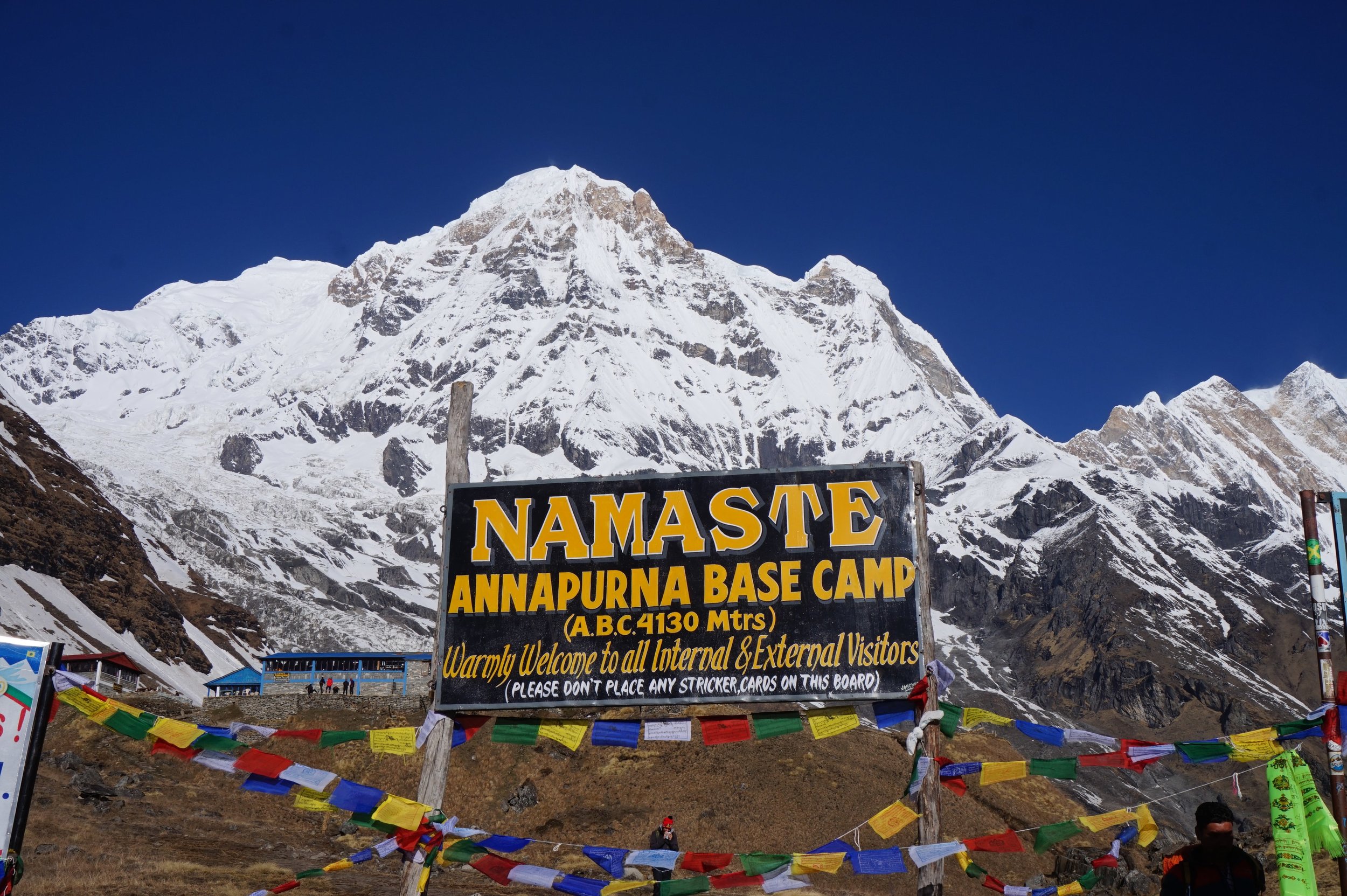
Many trekkers underestimate the impact of high altitude. Annapurna Base Camp sits at 4,130 meters (13,550 ft), which is high enough to trigger Acute Mountain Sickness (AMS) if proper precautions aren’t taken. Symptoms include:
- Headache and dizziness
- Nausea and vomiting
- Fatigue and shortness of breath
- Insomnia
Prevention Tips:
- Acclimatize properly: Follow a gradual ascent. Include rest days in Ghorepani, Chomrong, or Annapurna Base Camp approach.
- Hydrate continuously: Water helps your body adjust to high altitude. Aim for 3–4 liters per day.
- Avoid alcohol and smoking: Both can exacerbate altitude sickness.
- Consider medication: Consult a doctor about acetazolamide (Diamox) if you are prone to AMS.
2. Stomach and Food-Related Illnesses
ABC’s tea houses are cozy, but hygiene standards vary. Many trekkers experience diarrhea, stomach cramps, or vomiting due to:
- Contaminated water or ice
- Unwashed fruits and vegetables
- Street food or undercooked meals
Prevention Tips:
- Drink boiled or filtered water only; avoid tap water.
- Carry water purification tablets or a portable filter.
- Eat freshly cooked meals and peel fruits before consumption.
- Maintain personal hygiene, especially hand washing before meals.
3. Cold, Flu, and Respiratory Issues
Temperatures can drop dramatically at higher altitudes, particularly at night. Coupled with crowded lodges and limited ventilation, this creates an environment where colds and flu spread easily.
Prevention Tips:
- Layer up with thermal clothing, down jackets, and windproof shells.
- Keep a personal hand sanitizer and disinfect frequently touched items.
- Avoid sleeping near open windows in very cold conditions without insulation.
4. Fatigue and Overexertion
Trekkers often push too hard, trying to reach Annapurna Base Camp quickly. Long days without adequate rest weaken the immune system, making illness more likely.
Prevention Tips:
- Stick to moderate daily distances, typically 4–7 hours of trekking.
- Take short breaks every 1–2 hours.
- Eat enough calories to sustain energy; high-altitude trekking burns significantly more.
5. Common Preventive Measures
To minimize the risk of illness, consider these universal tips:
- Travel insurance with medical coverage for trekking above 3,000 meters.
- First-aid kit: Include medications for AMS, diarrhea, headache, and cold.
- Consult a doctor pre-trek: Get vaccines and personalized health advice.
- Choose reputable trekking agencies like Mountain Tiger Nepal, who ensure safe routes, proper acclimatization, and hygienic tea houses.
Conclusion
Getting sick on the Annapurna Base Camp trek is common but preventable. Most issues arise from altitude adjustment, hygiene, exposure to cold, or overexertion. With proper preparation, pacing, and awareness, you can enjoy the epic views of Machapuchare, Annapurna South, and Hiunchuli without being sidelined by illness.
Remember: your health is as important as the views. Respect your body, acclimatize wisely, and follow these precautions—then ABC can remain the unforgettable adventure it’s meant to be.
