
Why I’ll Never Trek Everest in May Again (The Monsoon Truth)
Everest Base Camp (EBC) trekking is often marketed as a once-in-a-lifetime adventure. For many, May seems like the perfect month for spring blooms, moderate temperatures, and ideal summit conditions. But after trekking in May, I’ve realized there’s a hidden truth about the monsoon season that most guides don’t warn you about.
Here’s why I’ll never trek Everest in May again, and what every 2027 adventurer should know before planning their EBC journey.
The Allure of May Trekking
May is traditionally considered peak trekking season, and for good reason:
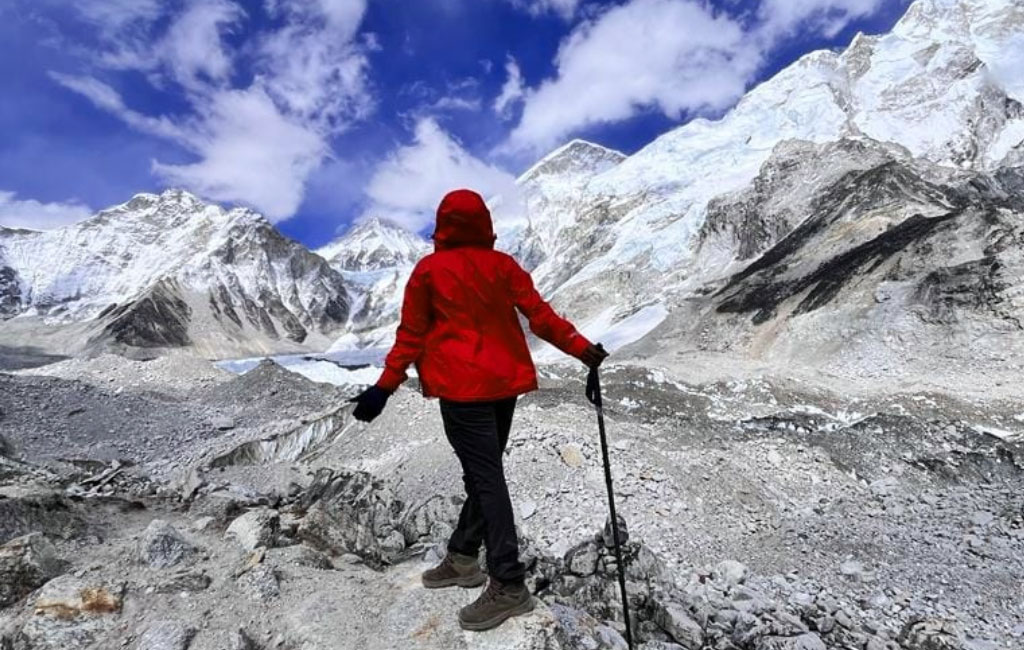
- Clear skies and warm temperatures in lower Khumbu villages
- Spring flowers blooming along the trail
- Summit attempts for climbers at Everest are most active
- Longer daylight hours
For photographers, adventure seekers, and first-time trekkers, it seems ideal. But the reality is more complicated.
The Monsoon Truth: May Isn’t All Clear Skies
While June–September is the full monsoon, May is often deceptive:
- Unpredictable weather: Sudden snowstorms, rain at lower altitudes, and strong winds at high camps
- Mudslides and slippery trails: Snow melting in higher altitudes often triggers dangerous conditions
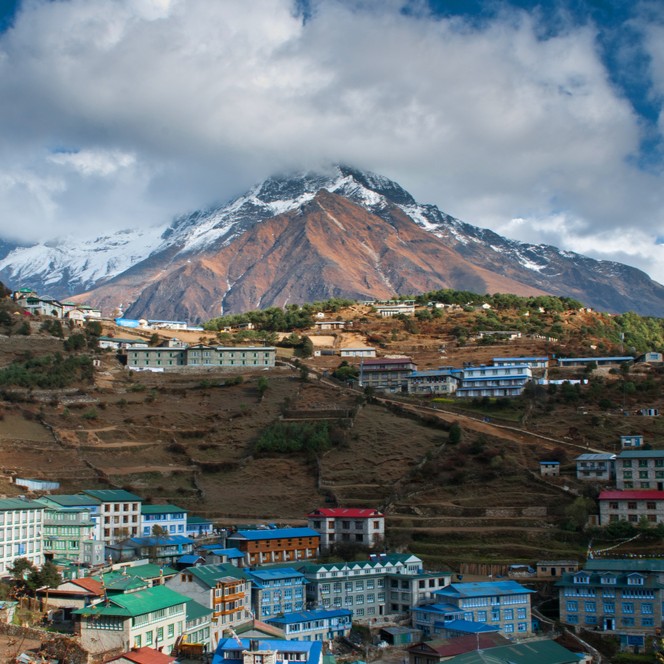
- Reduced visibility: Views of Everest and surrounding peaks can be obscured for days
- Crowds & congestion: May is peak season, which means teahouses are overcrowded and popular viewpoints packed
Many trekkers assume May guarantees perfect trekking weather. In reality, the trail can be treacherous, crowded, and wet.
Physical & Safety Challenges
- Trail Conditions: Snowmelt creates slippery trails, increased risk of falls, and occasional blocked paths.
- Altitude & Acclimatization: Slower trekking may be required due to weather delays, affecting acclimatization schedules.
- Avalanche Risk: Higher elevations, particularly around Lobuche and the Khumbu Glacier, become more dangerous as snow melts.
Even experienced trekkers and guides need to stay vigilant during May
Alternative Months That Beat May
If your goal is good weather, fewer crowds, and safer trails, consider:
- March–April: Early spring; fewer trekkers, clear skies, and lower teahouse congestion
- Late September–October: Post-monsoon clarity; spectacular views, stable weather, and warm days
Both periods provide better visibility and safer trekking conditions compared to May.
The Emotional Reality of May Trekking
Even if you make it safely:
- Crowds can diminish the sense of wilderness
- Cloudy or rainy days reduce the “epic Everest panorama” experience
- Constant vigilance on muddy or slippery paths can increase fatigue
The combination of weather, risk, and crowding means May trekking can feel more stressful than exhilarating.
Final Verdict: Why I’ll Avoid May Again
For 2027 trekkers planning Everest Base Camp:
- May may look appealing on paper, but the risks and challenges outweigh the benefits.
- If your priority is safety, scenic views, and solitude, plan for March-April or late September-October.
- The mountains remain awe-inspiring any time of year but the experience is far better outside the chaotic May peak.
