
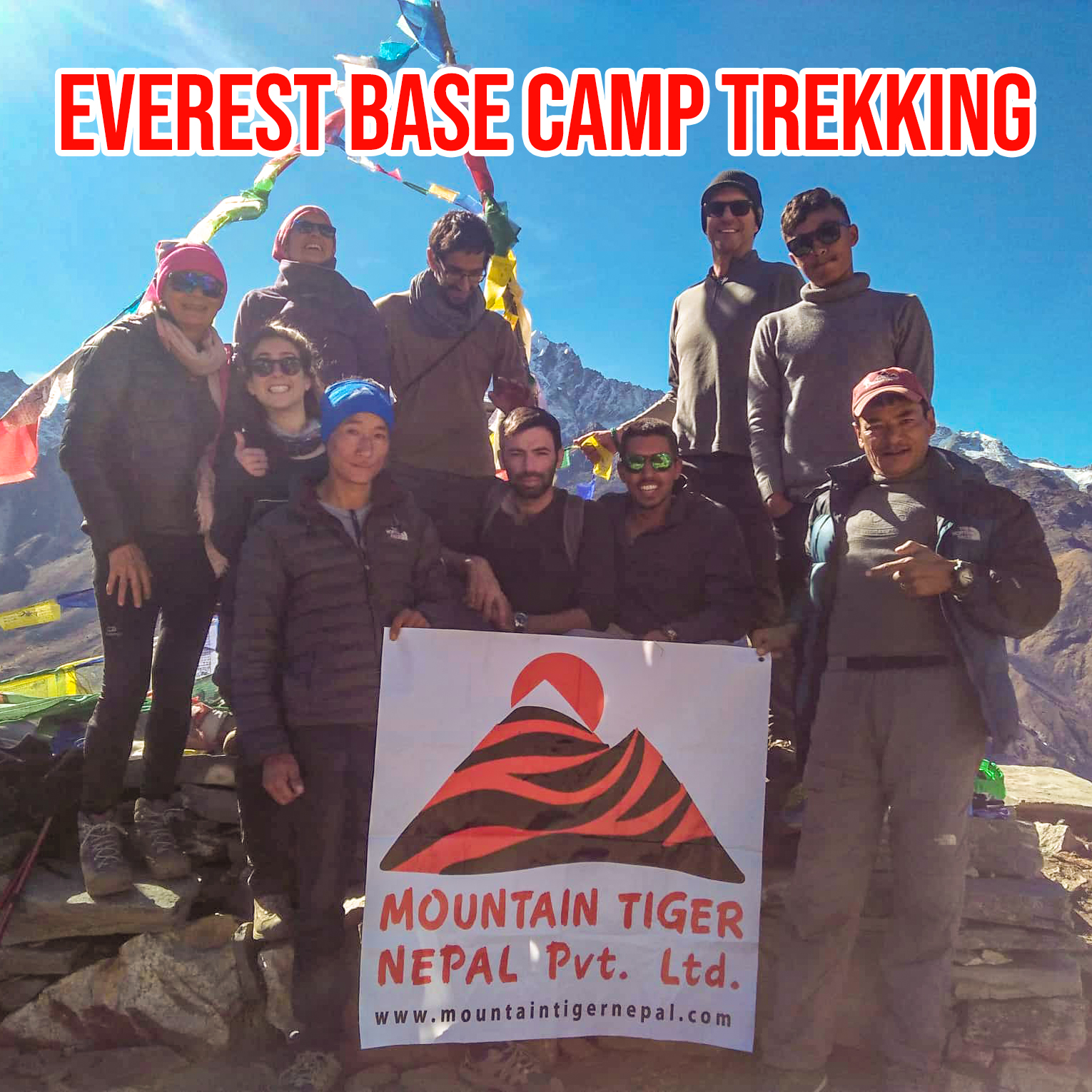
Why Nepal Is Still the World's Best Trekking Destination in 2026
For decades, Nepal has remained synonymous with trekking. When travelers dream of walking beneath towering Himalayan peaks, crossing suspension bridges above deep river gorges, exploring ancient mountain villages, and experiencing cultures untouched by modernity, Nepal is often the first destination that comes to mind.
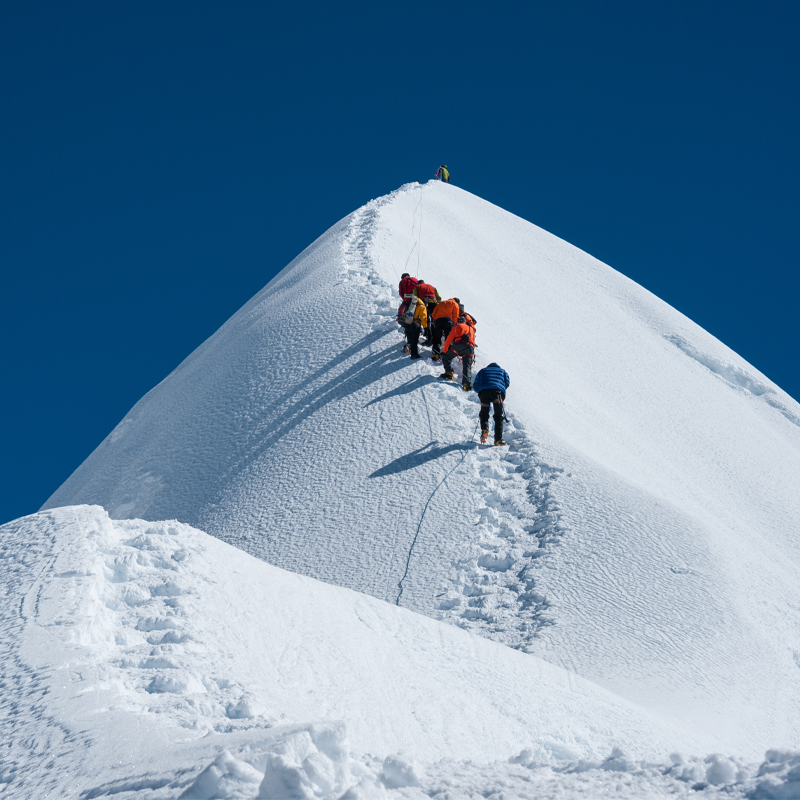
In 2026, despite growing competition from destinations such as Peru, Patagonia, New Zealand, and the European Alps, Nepal continues to stand firmly as the world's leading trekking destination. The country offers something few places on Earth can match: a unique combination of the highest mountains on the planet, extraordinary cultural diversity, affordable trekking experiences, and an unmatched variety of trails suitable for everyone—from first-time hikers to seasoned mountaineers.
With more than one million international visitors annually and hundreds of thousands of trekkers exploring its mountain regions, Nepal's trekking industry continues to thrive and evolve. The country's adventure tourism sector has recovered strongly post-pandemic, reaffirming Nepal's position as the global capital of trekking.
The Origins of Trekking in Nepal: Unofficial vs Official History
The Unofficial Beginning
Long before trekking became a tourism activity, Nepal's mountain trails were lifelines connecting remote villages. Traders, pilgrims, monks, shepherds, and local communities used these paths for centuries.
Modern trekking in Nepal unofficially began during the 1950s after the first successful ascent of Mount Everest in 1953 by Sir Edmund Hillary and Tenzing Norgay. Their achievement attracted worldwide attention to the Himalayas and inspired adventurers from across the globe to explore Nepal's mountains.
During the 1950s and 1960s, small groups of explorers and mountaineers began walking through regions such as Everest, Annapurna, and Langtang, creating the foundations of what would later become commercial trekking.
The Official Beginning
Nepal officially opened itself to organized international tourism after the political changes of the early 1950s. The establishment of government tourism institutions and the gradual opening of trekking permits during the 1960s and 1970s transformed trekking into a recognized tourism industry.
The Annapurna Circuit and Everest regions soon became internationally renowned, attracting thousands of trekkers annually. Today, Nepal offers some of the most iconic trekking routes in the world, ranging from short scenic hikes to multi-week high-altitude expeditions.
The MTN Experience: Live From The Trails
See the rugged trails, spectacular altitudes, and the vibrant reality of Himalayan exploration through recent tracking reels captured live by our adventure teams:
Why Trekkers Continue Choosing Nepal in 2026
1. Home to the World's Highest Mountains
Nepal contains eight of the fourteen mountains exceeding 8,000 meters. No other country offers such concentration of high Himalayan peaks. For trekkers, this means unforgettable mountain panoramas accessible without requiring technical climbing skills.
| Himalayan Peak Name | Official Elevation (Meters) |
|---|---|
| Mount Everest | 8,848.86m |
| Kanchenjunga | 8,586m |
| Lhotse | 8,516m |
| Makalu | 8,485m |
| Cho Oyu | 8,188m |
| Dhaulagiri | 8,167m |
| Manaslu | 8,163m |
| Annapurna | 8,091m |
2. Incredible Diversity of Trekking Experiences
One of Nepal's greatest strengths is diversity. Within a single country, trekkers can experience tropical forests, alpine meadows, glacial valleys, high mountain deserts, ancient monasteries, traditional ethnic villages, sacred lakes, and high-altitude mountain passes exceeding 5,000 meters.
Whether someone has five days or five weeks available, Nepal offers a trek perfectly suited to their schedule and fitness level.
3. Culture Beyond the Mountains
Many travelers arrive expecting mountains and leave talking about the people. Nepal is home to dozens of ethnic groups including Sherpa, Gurung, Tamang, Thakali, Rai, Limbu, and Tibetan communities.
Trekking in Nepal is not merely a physical adventure; it is a cultural journey through living traditions, Buddhist monasteries, Hindu temples, local festivals, and mountain hospitality. According to the Nepal Tourism Board, cultural interaction is a major reason why trekking remains one of Nepal's most popular tourism activities.
Foreign Trekkers in Nepal: Growing Numbers and Global Appeal
International visitor arrivals to Nepal surpassed 1.15 million in 2025, demonstrating the country's strong tourism recovery and continued appeal among adventure travelers. Major source markets include India, the United States, China, the United Kingdom, Australia, Germany, France, and other European countries.
According to the Nepal Tourism Board, approximately one in four international visitors participates in trekking activities during their stay.
Today's trekkers come from diverse backgrounds: solo adventurers, couples, families, corporate groups, photographers, nature enthusiasts, cultural travelers, and retirees seeking bucket-list experiences.
The growing popularity of trekking on social media, combined with improved trail infrastructure and digital permit systems, continues attracting new generations of trekkers to Nepal.
Mountain Tiger Nepal: Pioneering Himalayan Adventures Since 2005
Among Nepal's established trekking companies, Mountain Tiger Nepal has built a reputation for delivering authentic Himalayan experiences since 2005.
Founded by tourism entrepreneur Binod Raj Paudyal, Mountain Tiger Nepal began with a vision of providing personalized, high-quality trekking and adventure experiences throughout Nepal, Tibet, Bhutan, and India. Over two decades, the company has guided travelers from around the world through some of the Himalayas' most remarkable destinations.
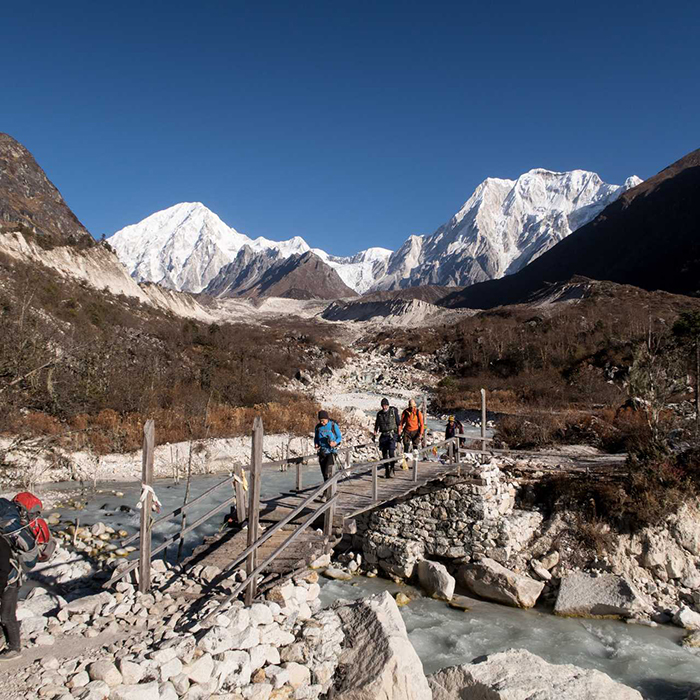
Mountain Tiger Nepal's success has been built on experienced local guides, responsible tourism practices, customized itineraries, strong operational support, and a deep knowledge of Himalayan culture and geography.
Most Demanded Trekking Destinations Organized by Mountain Tiger Nepal
Everest Base Camp Trek
The most iconic trek in the world.
Highlights:- Kala Patthar viewpoint
- Namche Bazaar & Sherpa culture
- Tengboche Monastery & Base Camp
Manaslu Circuit Trek
Increasingly recognized as Nepal's best alternative to Everest and Annapurna.
Highlights:- Larkya La Pass (5,106m)
- Traditional Tibetan villages
- Remote wilderness & fewer crowds
Annapurna Base Camp Trek
A classic Himalayan journey suitable for a wide range of trekkers.
Highlights:- Annapurna Sanctuary amphitheater
- Gurung villages & Rhododendron forests
Langtang Valley Trek
Perfect for travelers seeking a shorter Himalayan adventure.
Highlights:- Kyanjin Gompa & Langtang National Park
- Spectacular glacier views & Tamang culture
Upper Mustang Trek
A journey into Nepal's hidden Himalayan kingdom.
Highlights:- Ancient cave monasteries & Tibetan culture
- Unique desert landscapes
Gokyo Lakes Trek
A premium alternative to the traditional Everest Base Camp route.
Highlights:- Turquoise glacial lakes & Gokyo Ri view
- Ngozumpa Glacier & Everest panorama

Why Nepal Will Continue Leading Global Trekking Tourism
Expanding Adventure Tourism: Nepal continues developing new trekking routes, conservation areas, and adventure products to diversify tourism offerings. Recent initiatives also aim to encourage travel to lesser-visited regions beyond the traditional Everest and Annapurna corridors.
Improved Safety and Management: Permit digitization, enhanced trekking management systems, and evolving regulations are helping improve safety and sustainability across trekking regions.
Authentic Experiences: Unlike many heavily commercialized destinations, Nepal still offers genuine cultural interactions and remote wilderness experiences that modern travelers increasingly seek.
