
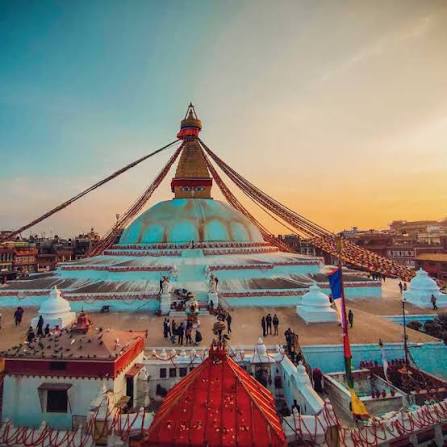

The travel industry has reached a pivotal juncture in 2026. For decades, the dominant metric of a successful trip was the number of destinations collected and passport pages stamped. Today, a new mindset has emerged: the “Why Now?” traveller. This discerning demographic is no longer asking simply where to go, but rather why they are going, how they are getting there, and, most importantly, what their presence actually contributes.
This evolution marks a shift from consumptive tourism to purpose-driven travel, creating a mandate for Destination Management Companies (DMCs) to rethink how experiences are designed, delivered, and measured.
The modern traveller recognizes that travel is an exchange, not merely a transaction. They are actively interrogating the supply chain of their holidays. Rather than extracting value from a destination, they seek to leave a net-positive footprint. This mindset shift is fundamentally rewriting the operational playbooks for global tourism.
Moving Beyond "Destination Collection"
To understand this new landscape, we must look at the specific demands shaping itineraries today. Travellers are actively seeking ways to avoid contributing to the strain on overcrowded hotspots. This translates into a surge of interest in off-season travel and a willingness to explore secondary, lesser-known regions that actually need the economic injection.
The demand has shifted toward directly supporting local communities, small businesses, and grassroots enterprises. Travellers want assurance that their spending stays within the local economy.
There is also a strong rejection of commodified, performative culture. Modern itineraries must respect and actively contribute to the preservation of indigenous heritage. Furthermore, ethical boundaries have tightened regarding wildlife tourism, and the standard for sustainable accommodation has moved beyond superficial "greenwashing."
The Nepal Context: High-Altitude Impact
Nowhere is the impact of purpose-driven travel more visceral than in Nepal. In the Himalayas, tourism is not just a sector of the economy; it is a vital lifeline that sustains remote mountain communities.
When executed responsibly, tourism in Nepal creates a powerful ripple effect. It generates local employment—not just for guides and porters, but for teahouse operators, farmers, and artisans. It provides the financial incentive required for heritage conservation, funding the restoration of ancient monasteries and the maintenance of historic trekking routes.
By dispersing travellers into varied regions, tourism can stabilize regional economies, preventing the urban migration that often drains mountain villages of their youth and vitality. However, this delicate ecosystem requires meticulous management. Without a conscious approach, the very trails and cultures that draw visitors risk being degraded.


