World on Foot: Could Global Walk Day Become the Next Earth Hour?
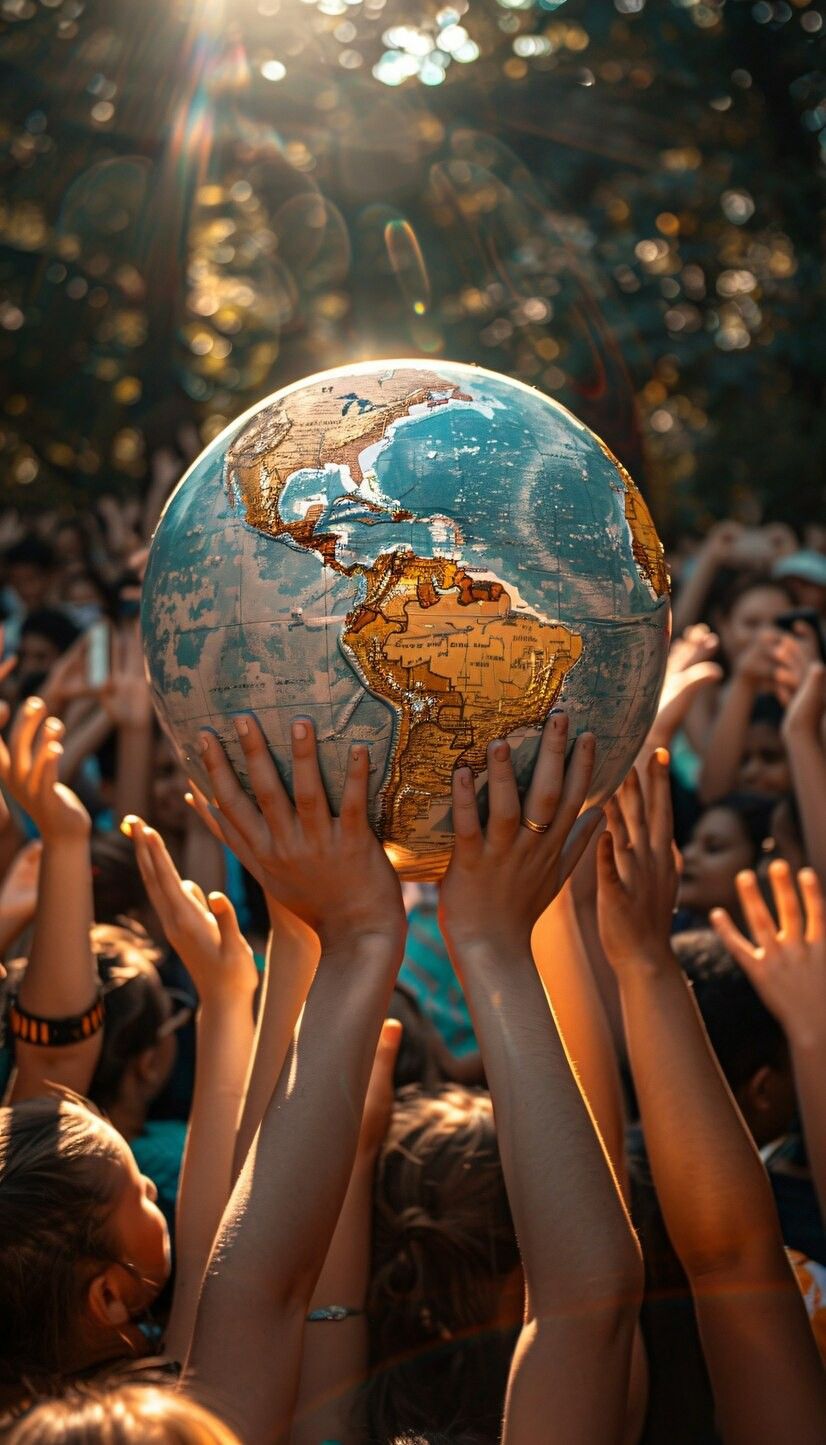
As the world confronts the urgency of climate change, a new idea is quietly gaining traction: Global Walk Day. A day where people across continents walk together not just for their health, but for the health of the planet. Like Earth Hour, where we turn off lights to symbolize energy conservation, Global Walk Day could become a simple, unifying, and symbolic movement toward sustainable living.
But could it really go global?
A Proposal for a Planet in Motion
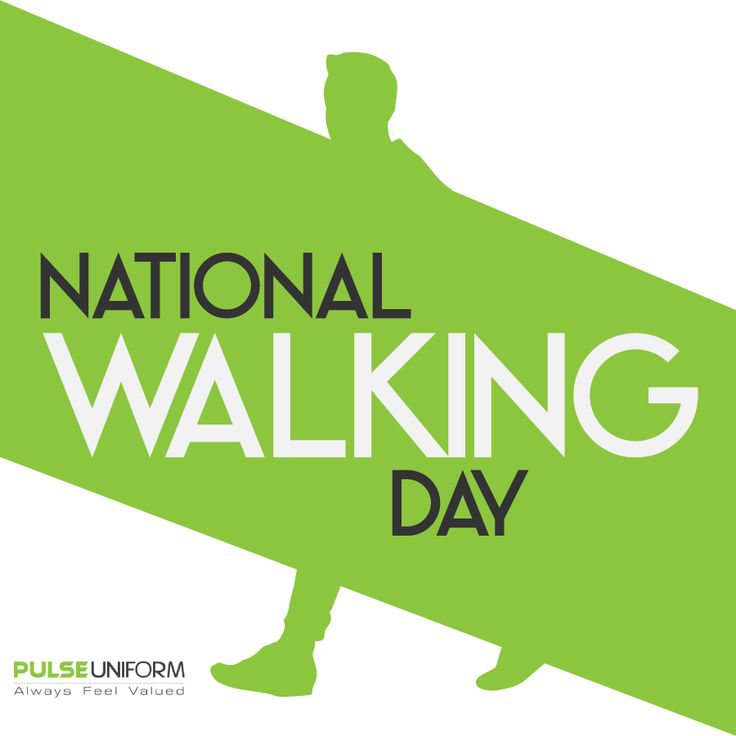
The premise is straightforward: On one dedicated day each year, people worldwide walk instead of drive, cycle instead of fly short distances, and participate in walkathons, nature walks, or even community cleanups on foot.
This would not just reduce short-term emissions, it would send a powerful message. That behavioral change at scale is possible, and that people are willing to act physically for environmental well-being.
Such an event could be timed during critical climate awareness moments, like ahead of World Environment Day (June 5) or UN Climate Week. It would blend climate action, collective behavior, and community health in one global stride.
UN-Level Momentum and Precedent
The idea of a Global Walk Day is not without precedent. In fact, UNESCO has long supported international days that raise awareness through action like World Water Day, World Bicycle Day, or International Day of Forests.
Likewise, the United Nations Framework Convention on Climate Change (UNFCCC) has supported public engagement campaigns tied to the SDGs. A walking-based global event low-cost, inclusive, non-political—could align naturally with:
- SDG 13: Climate Action
- SDG 11: Sustainable Cities and Communities
- SDG 3: Good Health and Well-being
Moreover, walking promotes carbon-light mobility and reminds participants of their connection to the local environment, something often lost in urban, sedentary lives.
“Behavioral change is the greatest untapped resource in our climate response,” said a 2022 UNEP report.
Social Media Challenge Ideas
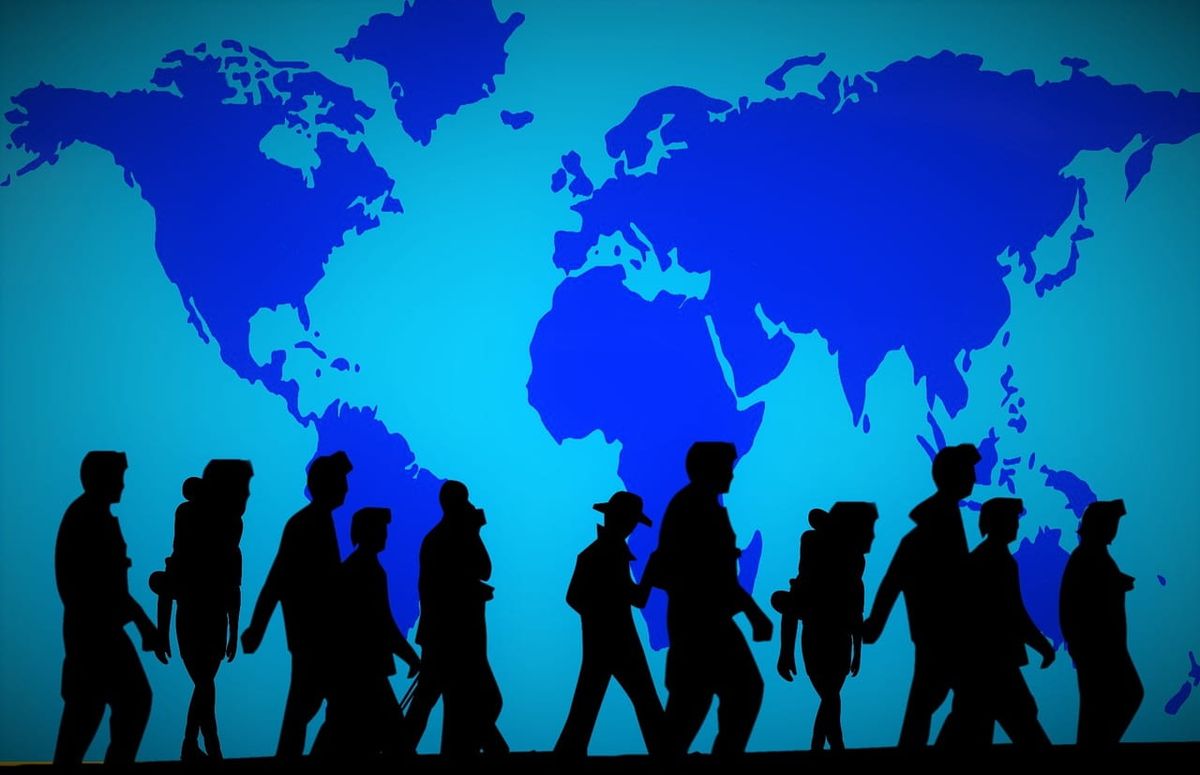
For a movement like this to go viral, it must be visible. Just as #EarthHour blacked out skylines on Instagram and #TrashTag challenged users to clean their communities, Global Walk Day could leverage platforms like TikTok, Instagram, and Threads with:
- #WalkForEarth – Share your favorite walking route instead of driving.
- #OneMilePledge – Challenge 5 friends to walk a mile for the planet.
- #FootprintForward – Visualize the carbon you saved by walking.
Gamification and digital counters like step trackers can add a layer of measurable progress. Partnerships with brands that promote ethical travel, urban walkability, or fitness could amplify reach.
Why Walking Works
Walking is one of the most universally accessible forms of movement:
- Zero carbon cost
- No special gear needed
- Inclusive of all age groups and fitness levels
- Mentally and physically beneficial
According to a Lancet Public Health study, active commuting reduces premature death by up to 30% and benefits air quality in urban zones significantly.
In terms of collective symbolism, walking together locally or globally builds emotional resonance. It transforms data into experience.
Conclusion: From Symbol to Systemic Change
A single walk won’t stop climate change. But like Earth Hour, Global Walk Day could act as a visible moment of unity and a nudge toward deeper systemic and behavioral transformation.
The power of this movement lies not just in reducing emissions for one day, but in reminding millions that every step we take literally can move us closer to a cleaner, more connected world.
Are you ready to walk the talk?