
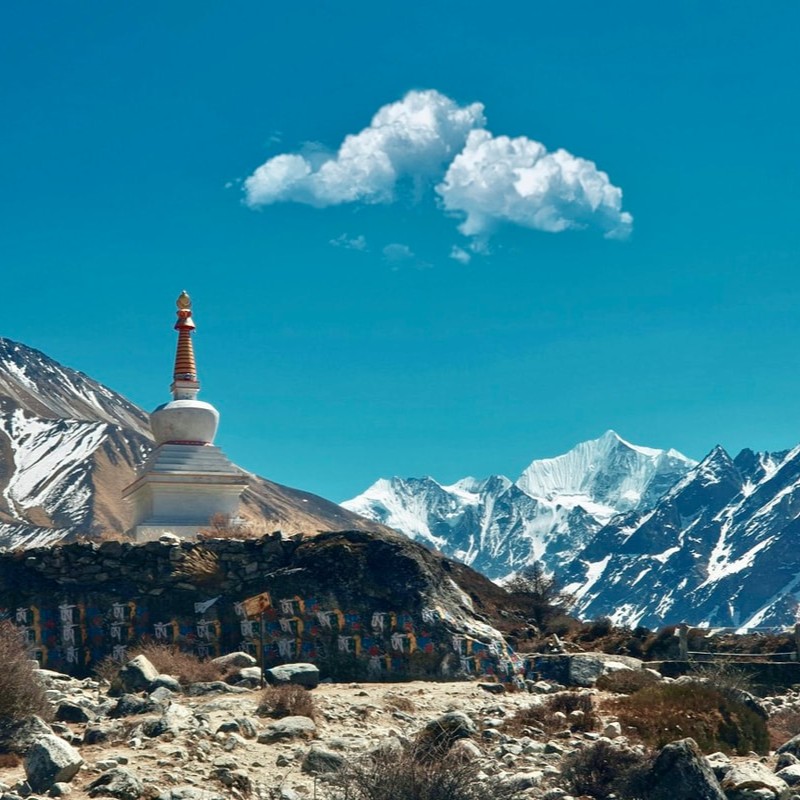
Yak Cheese, Tamang Hospitality, and Hidden Peaks: A Different Side of Langtang
When most people think of trekking in Nepal, the spotlight often falls on Everest and Annapurna. Yet, tucked away just north of Kathmandu lies the Langtang Valley, a region where food heritage, mountain culture, and breathtaking landscapes intersect. Here, high in the village of Kyanjin Gompa (3,870m), lies one of Nepal’s most surprising treasures: the oldest yak cheese factory in the country. Combined with the legendary hospitality of the Tamang people and views of hidden Himalayan giants, Langtang offers a trekking experience unlike anywhere else in Nepal.
The Story Behind Langtang Yak Cheese
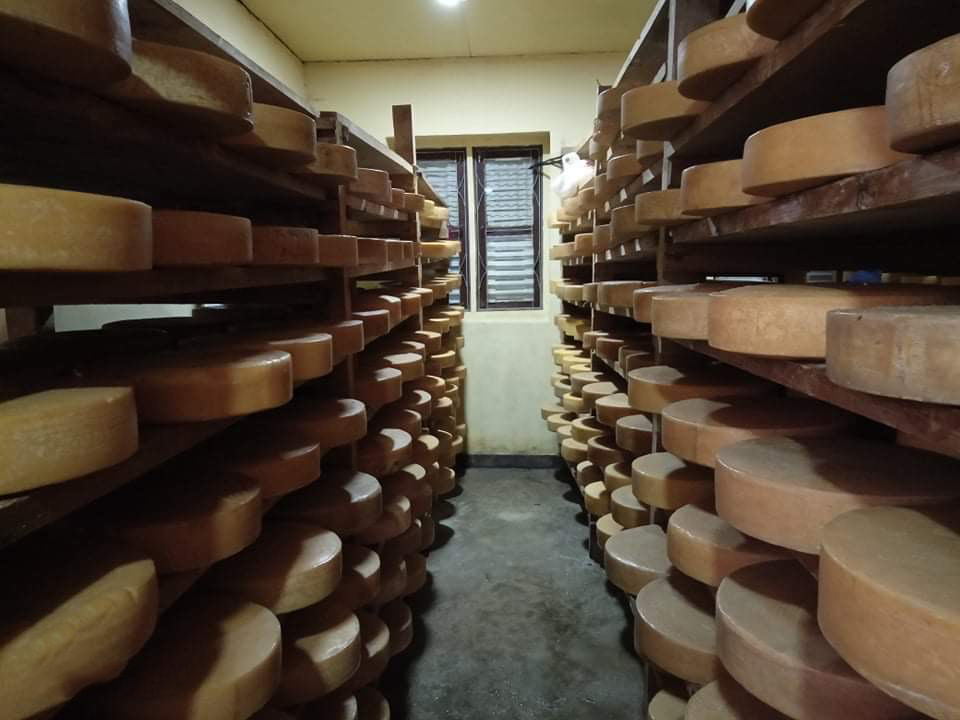
The Kyanjin Gompa Cheese Factory has been producing yak cheese since the 1950s, a rare delicacy born out of collaboration between Swiss dairy experts and Nepalese pastoral communities. Supported by the Dairy Development Corporation (DDC) in the 1960s, the initiative transformed high-altitude milk production into a sustainable livelihood for locals.What makes this cheese unique isn’t only its nutty, tangy flavor somewhere between parmesan and gruyere but also its environment. The purity of yak and chauri (yak-cow hybrid) milk, the alpine grasses of Langtang, and the slow, traditional Swiss-inspired process create a flavor profile that can’t be replicated elsewhere.
Every morning, locals hike down from their homes carrying heavy milk containers, delivering them to the modest stone factory. There, the milk is boiled, curdled, pressed, and aged in naturally cool cellars. Weeks later, the firm golden wheels of cheese are transported out of the valley by mule, jeep, or even helicopter making them one of the Himalayas’ most prized exports.
A Taste That Sustains a Valley
For locals, cheese is more than food, it's survival. In a region with limited agricultural options and harsh winters, the factory provides stable income and keeps families rooted in the valley despite growing challenges of climate change and migration.Even after the 2015 Nepal earthquake, which devastated Langtang village, the cheese factory stood as a symbol of resilience. Within a year, operations resumed, reminding trekkers and villagers alike that cultural heritage can endure even after disaster. Today, sampling a slice of fresh yak cheese in Kyanjin Gompa is more than a culinary delight—it’s a way of supporting the valley’s recovery and sustainable economy.
Tamang Hospitality: A Culture That Welcomes You Home
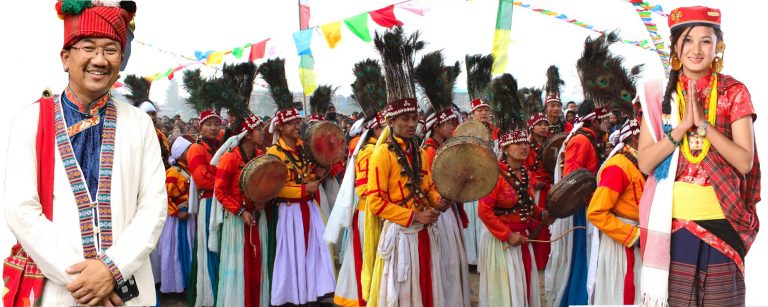
The Langtang Valley is also the heartland of the Tamang people, an ethnic group with strong Tibetan roots. Their Buddhist traditions, stone-built houses, and terraced fields offer a cultural experience that complements the trek’s natural beauty.
Tamang hospitality is legendary. A homestay in Briddim village lets visitors share in daily life whether it’s cooking traditional meals, joining seasonal festivals, or listening to age-old folk songs by the hearth. Guests are often treated like family, reflecting the Tamang belief that “a guest is a god.”
Peaks Beyond the Cheese and Villages
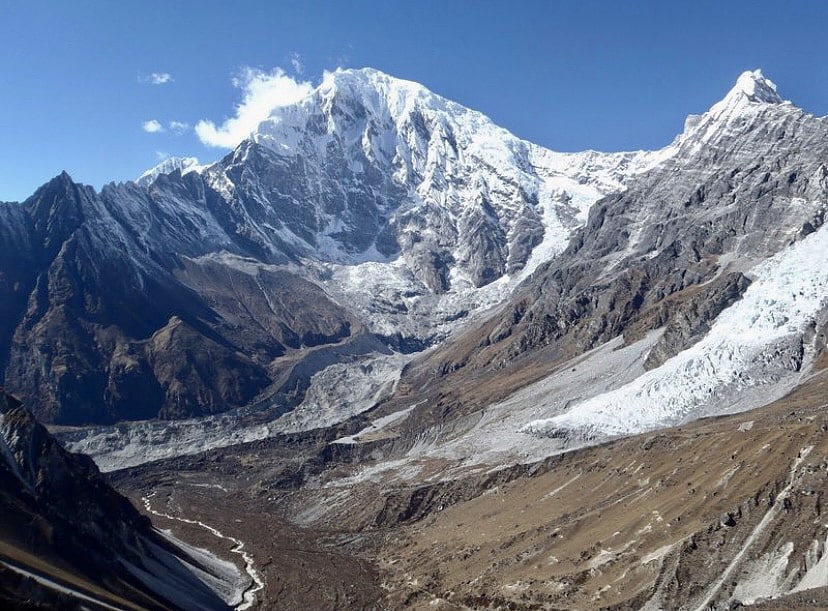
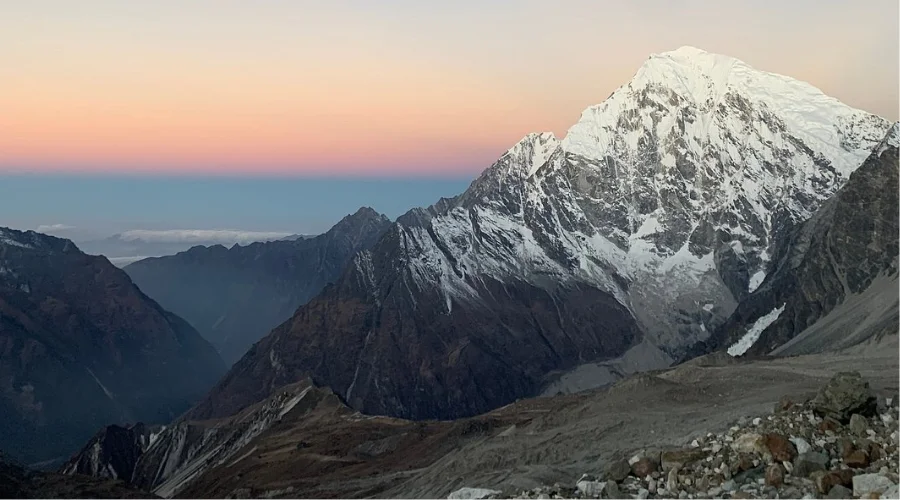
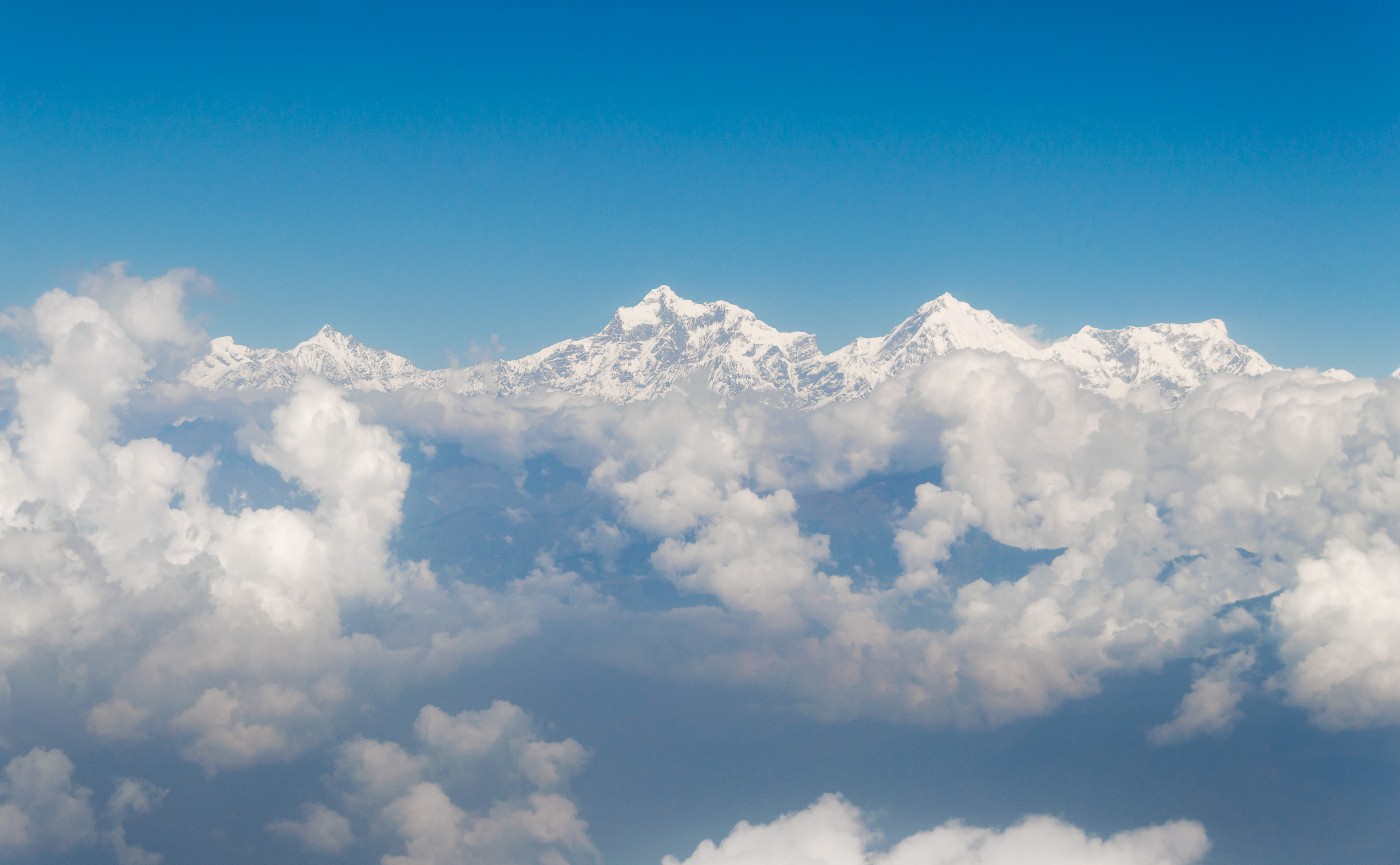
The Langtang Valley may be known for its cheese and culture, but its hidden peaks and trekking routes are equally compelling. From Kyanjin Gompa, trekkers can enjoy jaw-dropping views of Langtang Lirung (7,227m), Yala Peak, and Ganesh Himal (7,422m). Adventurers with extra days can hike to Langshisha Kharka, a high glacial valley, or attempt challenging passes like Ganja La and Tilman’s Pass for more remote Himalayan adventures.
Unlike Everest or Annapurna, Langtang remains comparatively uncrowded. This makes it ideal for trekkers seeking intimacy with both the mountains and the people who live among them. Wildlife lovers may even spot the elusive red panda, Himalayan monal, or wild yak grazing on alpine pastures.
Culinary Highlights for Trekkers
Many teahouses in Langtang have woven local cheese into their menus. After a long day’s trek, you might find yourself indulging in:
- Yak cheese toast with herbal tea
- Crispy momos stuffed with cheese and greens
- Creamy pasta or even a cheese-topped pizza at 3,800 meters
- Homemade soups enriched with yak butter and cheese
These simple yet hearty meals not only fuel trekkers but also celebrate the valley’s culinary ingenuity.
Why Langtang Should Be on Your Trekking List
- Taste one of the world’s rarest high-altitude cheeses
- Experience authentic Tamang hospitality through homestays and cultural interactions
- Trek quieter trails with fewer tourists and more connection
- Witness peaks like Langtang Lirung, Ganesh Himal, and hidden Himalayan glaciers
- Support local livelihoods and post-earthquake recovery by choosing Langtang over more commercialized regions
Best Time to Visit
The ideal seasons are:
- Spring (March–May): Rhododendrons in bloom, warmer days, and vibrant festivals
- Autumn (September–November): Crisp skies, excellent visibility, and cooler trekking weather
A Taste Worth the Trek
Langtang is not just another trekking route, it's a sensory experience. The smell of fresh yak cheese aging in stone cellars, the chant of monks at Kyanjin Gompa, the warmth of Tamang hosts, and the sight of hidden Himalayan peaks combine into a journey that lingers long after the trek is over.
So, if you’re planning your next Himalayan adventure, don’t just follow the crowds to Everest or Annapurna. Step into Langtang, savor its heritage one bite at a time, and discover a side of Nepal where food, culture, and mountains meet.

