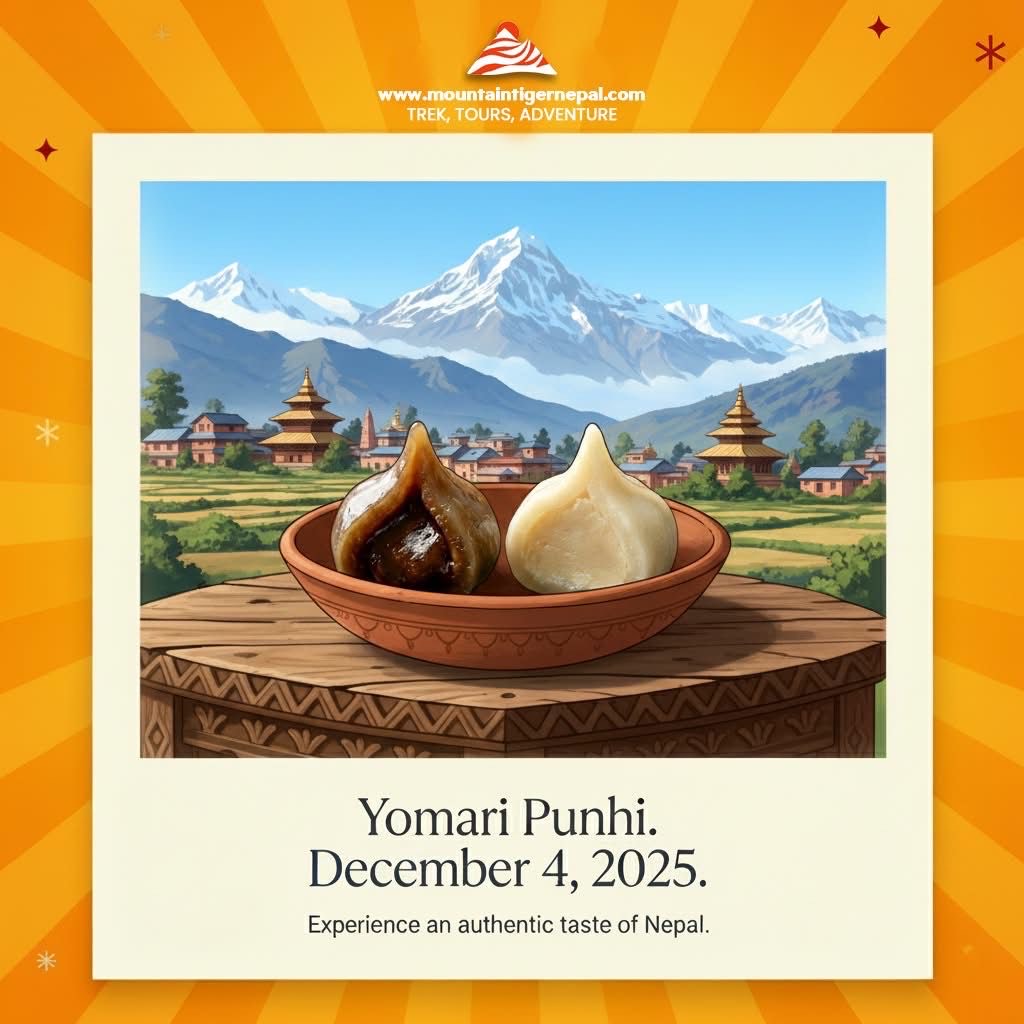
Yomari Punhi: The Sweet Festival of the Newar Community
Yomari Punhi is one of the most cherished festivals of the Newar community in the Kathmandu Valley. Celebrated on the full moon day of Thinla (December), it is a thanksgiving festival dedicated to Annapurna, the goddess of grains and nourishment. Families pray for a good rice harvest and celebrate with one of Nepal’s most beloved winter delicacies Yomari.
What is Yomari?
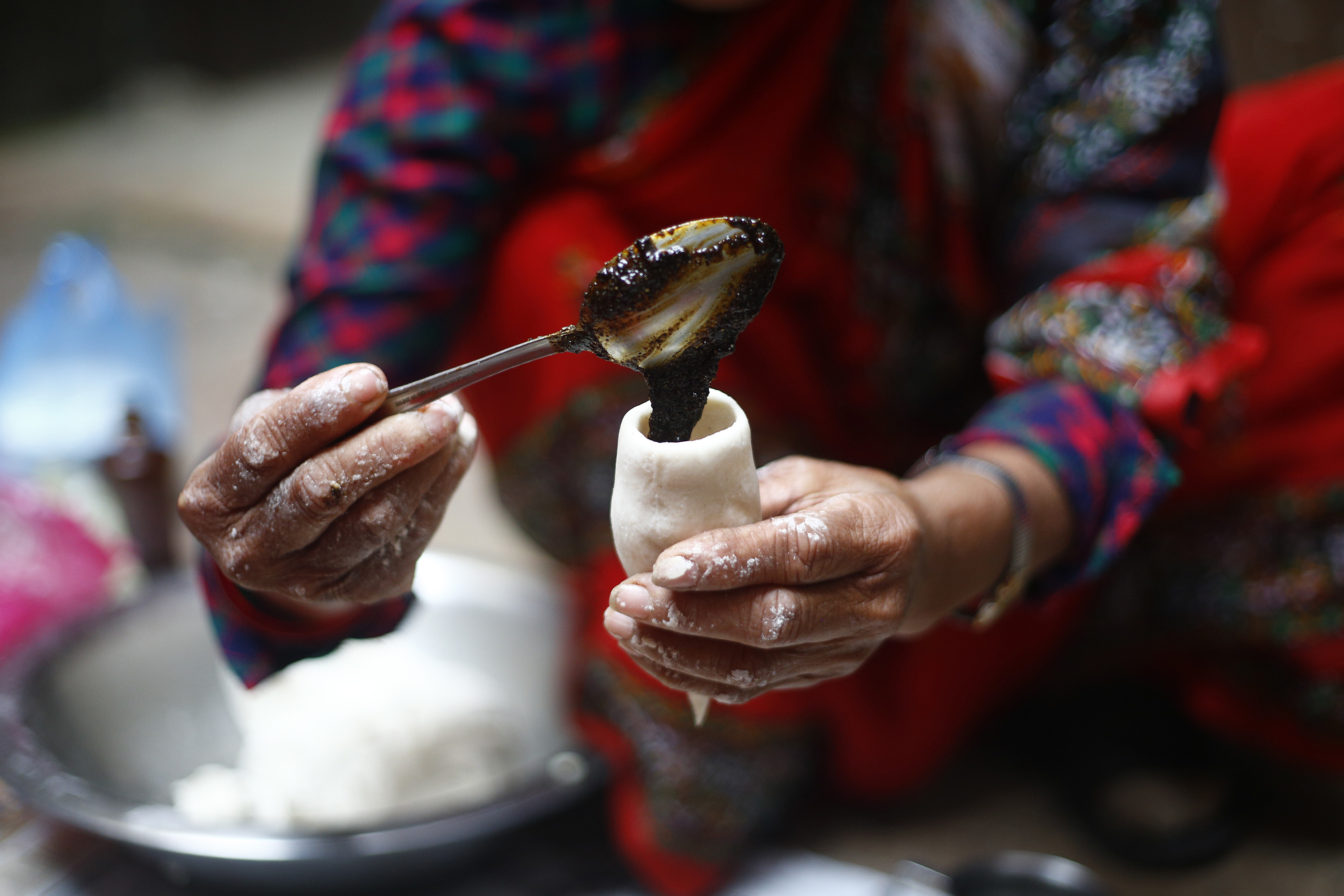
Yomari (or Yamari) is a soft, steamed dumpling made from freshly milled rice flour and filled with:
- Chaku (molasses taffy)
- Khuwa (evaporated milk solids)
- Sesame seeds, and sometimes coconut
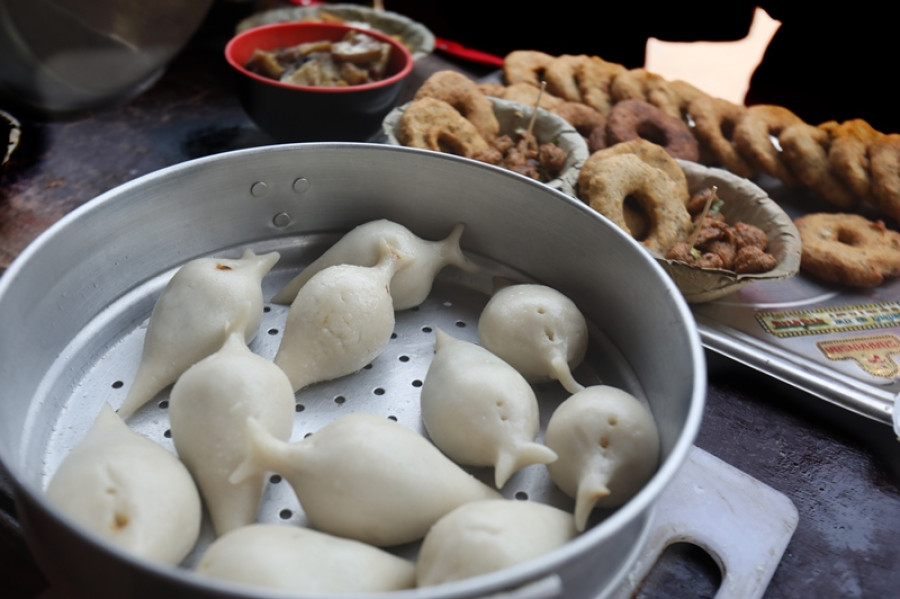
Shaped like a teardrop or temple gajur, it is warm, wholesome, nutritious, and perfect for cold winter days. In Newar tradition, this high-calorie sweet is believed to protect the body from winter chill.
The Origin of Yomari
According to legend, the first Yomari was created in Panauti by a Newar couple who experimented with new rice harvest and molasses. Their neighbors loved the creation and named it “Yomari”from “ya” (to like) and “mari” (bread) in Nepal Bhasa, meaning “tasty bread.”
The god Kubera, disguised as a beggar, is believed to have blessed the couple, saying anyone who prepares Yomari with divine shapes during the festival will be granted prosperity.
Historical accounts also suggest influences from:
- Modaka, an ancient Indian sweet
- Tibetan and Korean dumpling traditions
- A long history of jaggery culture and sugarcane farming in the Kathmandu Valley
Whatever its deeper origins, Yomari has become a symbol of Newar culinary identity.
How Yomari Punhi Is Celebrated
For Days of Festivity
The festival begins on the second day of the full moon cycle. Yomaris made during the first days are stored as offerings, not eaten.
On the fourth and final day, families enjoy the sweet delicacy considered a gift of the gods.
Family & Community Traditions
- Families gather to prepare Yomari together.
- Children and youth visit houses singing “Yomari Phonegu", a playful tradition of asking for Yomaris.
- Special shapes of gods like Ganesh, Laxmi, Kubera, and Saraswati are molded and placed in the bhakari (grain basket) as offerings.
- In Sankhu, a Ganesh procession is held; in Harisiddhi, masked dances take place.
Symbolic Yomari
Two unique forms are made during this festival:
- Mayo Yomari – filled with black lentils, symbolizing the female energy
- Bayo Yomari – filled with chaku, representing male energy
These symbolize union, fertility, and the harmony of life.
The Deep Cultural Meaning of the Yomari Shape
The Yomari’s pointed teardrop form is believed to represent:
- Half of the Shadkona, symbol of wisdom (Saraswati)
- A fish, a common symbol of good fortune
- A temple pinnacle (gajur)
- The ancient citrus fruit Tahsi (Citrus medica), a sacred symbol of longevity and prosperity
This shape appears widely in Newar rituals from Mha Puja to Dashain.
Chaku: The Heart of Newar Winter Cuisine
Chaku is more than a sweetener it is a cultural treasure. Made by boiling and hand-pulling jaggery until glossy and chewy, it gives warmth and energy during the harsh winter months.
It is essential to festivals like Ghya Chaku Sanhlu, marking the end of the coldest period.
Sugarcane and jaggery culture in Kathmandu dates back centuries, with place names like Tokha and Tukucha tracing their origins to ancient sugarcane fields.
Yomari Beyond the Festival
In Newar families:
- Yomari is fed to pregnant women for strength.
- Parents prepare it to celebrate a child’s even-numbered birthdays up to age twelve.
- It is enjoyed throughout winter as a warming, nourishing treat.
Why Yomari Matters
Yomari is more than a sweet; it is a living expression of:
- Agricultural heritage
- Religious devotion
- Cultural symbolism
- Family unity
- Artistic culinary craft
The history of Newar sweets from halwa to jeri and chaku reveals a story of migration, influence, and evolution. Yomari stands at the center of this culinary journey.